
Executive Summary
AI-driven personalization is no longer a futuristic fantasy; it's rapidly reshaping the health and wellness landscape. Consumers are increasingly seeking tailored approaches to their well-being, moving beyond generic advice towards data-driven, AI-powered solutions. This trend is most evident in the rise of "ingestible wellness", where diets and nutritional plans are customized based on individual biometrics and preferences, all orchestrated by AI algorithms. This report explores the driving forces behind this trend, its current market impact, the potential pitfalls, and what the future holds for AI in personalized health. We'll examine how this trend is impacting everything from personalized supplement recommendations to AI-driven fitness regimes. Prepare for a deep dive into the world where algorithms know your body better than you do.
Table of Contents
- The Rise of Ingestible Wellness: A Personalized Revolution
- AI as the Architect of Personalized Nutrition
- Data is the New Kale: The Fuel for AI Personalization
- The Market Landscape: Players and Opportunities
- Beyond Food: AI's Expanding Role in Holistic Wellness
- The Friction: Concerns and Challenges
- Ethical Considerations: Navigating the AI Minefield
- Future Predictions: The Next Frontier of Personalized Health
- Pro Tips for Navigating the AI-Driven Wellness Space
- The Skeptic's View: Is This Just Hype?
- Case Studies: Real-World Examples of AI Personalization
- FAQ: Your Questions Answered
- Conclusion: Embracing the Personalized Health Revolution
1. The Rise of Ingestible Wellness: A Personalized Revolution
The concept of "one-size-fits-all" is rapidly becoming obsolete in the health and wellness industry. Consumers are demanding personalized solutions tailored to their unique needs and lifestyles. This demand is fueled by a growing awareness of the intricate interplay between genetics, lifestyle, and overall well-being. Forget generic multivitamins; the future is about nutrient blends precision-engineered for your biology. The shift towards "ingestible wellness" reflects a desire for proactive, personalized health management, where food and drinks are viewed as tools for optimizing physical and mental performance. We're talking about customized protein shakes based on your workout recovery needs, or adaptogenic teas blended to combat your specific stress triggers.
What's driving this revolution? A combination of factors: readily available wearable technology, advancements in AI and machine learning, and a growing consumer base that’s both health-conscious and tech-savvy. We're seeing early adopters in the biohacking community openly sharing their experiments with personalized nutrition, contributing to a growing body of anecdotal evidence. These early adopters, often driven by a desire for peak performance, are willing to invest in cutting-edge technologies to optimize their health. Conversations in private Slack channels suggest that many are using continuous glucose monitors (CGMs) and other biometric sensors to fine-tune their diets in real-time.
The historical context is crucial. For decades, the health industry pushed generalized dietary guidelines. Only recently has the technology existed to make personalization at scale economically feasible. This technology is powered by massive amounts of data analyzed by AI. The AI algorithms are designed to learn an individual's unique response to food and other inputs. Now, you can get nutritional advice from your phone based on real-time biomarker data.
2. AI as the Architect of Personalized Nutrition
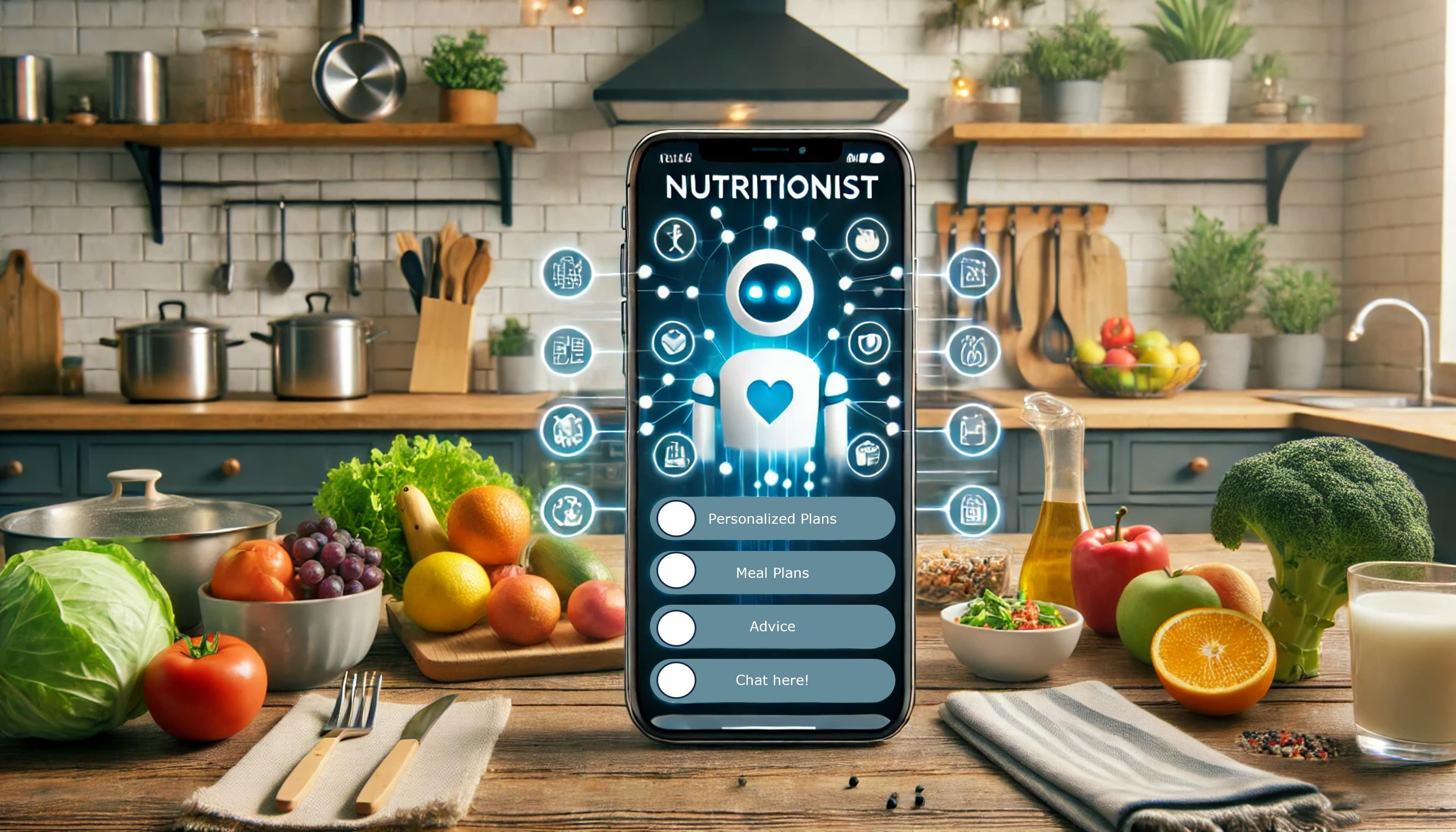
AI is the central nervous system of this new personalized health paradigm. AI algorithms analyze vast datasets of individual health information – including genetics, microbiome composition, activity levels, sleep patterns, and dietary preferences – to generate personalized recommendations. These algorithms are capable of identifying subtle patterns and correlations that would be impossible for humans to detect, leading to more precise and effective interventions. Think of it like having a personal nutritionist and doctor in your pocket, constantly learning and adapting to your body's ever-changing needs.
AI's role extends beyond simply recommending diets. It's also being used to develop personalized supplement formulations, predict individual responses to medications, and even design customized exercise programs. For example, companies are using AI to analyze blood test results and create personalized vitamin packs that address specific nutrient deficiencies. In the fitness world, AI-powered apps are analyzing users' movement patterns and providing real-time feedback to optimize their workouts and prevent injuries. This is more than just counting steps; it's about understanding the nuances of your individual physiology.
Furthermore, AI is revolutionizing food production and distribution. Companies are using AI to optimize crop yields, reduce food waste, and create new food products that are tailored to specific dietary needs. Imagine a future where your local grocery store is stocked with personalized food items designed specifically for you, based on your DNA and health history. This future may be closer than we think. One prominent example is in the creation of alternative proteins. AI is being utilized to simulate molecular structures and identify ingredients that best mimic the taste and texture of meat, but with enhanced nutritional profiles and lower environmental impact.
3. Data is the New Kale: The Fuel for AI Personalization
Data is the lifeblood of AI-driven personalization. Without comprehensive and accurate data, AI algorithms are powerless. The more data available, the more precise and effective the personalization becomes. This data comes from a variety of sources, including wearable devices, genetic testing kits, microbiome analysis, and electronic health records. Consumers are increasingly willing to share their personal data in exchange for personalized insights and recommendations, but concerns about data privacy and security remain a significant hurdle.
However, it’s not just about quantity of data, but also the quality and context. A simple step count from a fitness tracker provides limited insight compared to data combined with heart rate variability, sleep quality, and contextual information like time of day and activity type. The real value lies in integrating diverse data streams to create a holistic picture of an individual's health. This integration requires sophisticated data analytics and a robust data infrastructure, which is why partnerships between tech companies and healthcare providers are becoming increasingly common.
It's also important to consider the potential for bias in the data. If the data used to train AI algorithms is not representative of the population as a whole, the resulting recommendations may be biased and ineffective for certain groups. For example, many AI algorithms used in healthcare are trained primarily on data from Caucasian populations, which can lead to inaccurate diagnoses and treatment recommendations for people of color. Addressing these biases is crucial to ensuring that AI-driven personalization benefits everyone.
4. The Market Landscape: Players and Opportunities
The market for AI-driven personalized health is booming. From startups to established corporations, companies are vying for a piece of this rapidly growing pie. The key players include:
- Personalized Nutrition Companies: These companies use AI to analyze individual health data and create customized meal plans and supplement recommendations (e.g., Viome, InsideTracker, Function of Beauty).
- Wearable Technology Companies: These companies develop wearable devices that track various health metrics, providing valuable data for AI-powered personalization (e.g., Apple, Fitbit, Garmin).
- Genetic Testing Companies: These companies offer genetic testing services that can identify individual predispositions to certain diseases and conditions, informing personalized health recommendations (e.g., 23andMe, AncestryDNA).
- Healthcare Providers: Some healthcare providers are starting to integrate AI into their practices to provide more personalized care to their patients (e.g., Mayo Clinic, Cleveland Clinic).
- Food and Beverage Companies: These companies are developing new food and beverage products that are tailored to specific dietary needs and preferences (e.g., Nestle, Unilever).
The opportunities in this market are vast. There is a growing demand for personalized health solutions, and companies that can effectively leverage AI to meet this demand are poised for success. The key to success lies in developing innovative technologies, building strong partnerships, and addressing consumer concerns about data privacy and security. Economist are divided on whether this market will concentrate or diversify over the next 5 years.
5. Beyond Food: AI's Expanding Role in Holistic Wellness
While personalized nutrition is a major focus, AI's impact extends far beyond food. It's being used to personalize various aspects of holistic wellness, including:
- Mental Health: AI-powered chatbots and virtual therapists are providing personalized mental health support, offering tailored coping strategies and interventions. These tools can analyze users' speech patterns and emotional cues to identify potential mental health issues and provide early intervention.
- Sleep Optimization: AI-powered sleep trackers are analyzing sleep patterns and providing personalized recommendations for improving sleep quality. These recommendations may include adjusting sleep schedules, optimizing sleep environments, and using relaxation techniques.
- Fitness and Exercise: AI-powered fitness apps are analyzing users' movement patterns and providing real-time feedback to optimize their workouts and prevent injuries. These apps can also create personalized workout plans based on individual fitness goals and preferences.
- Stress Management: AI-powered stress management tools are analyzing users' physiological data to identify stress triggers and provide personalized relaxation techniques. These tools may include guided meditations, breathing exercises, and mindfulness practices.
The integration of AI into these diverse areas of wellness reflects a growing recognition of the interconnectedness of physical, mental, and emotional health. By leveraging AI to personalize these various aspects of wellness, individuals can achieve a more holistic and balanced approach to their overall well-being. However, some experts believe that over-reliance on AI for mental health can create a dependency that diminishes human connection and empathy.
6. The Friction: Concerns and Challenges
Despite the immense potential of AI-driven personalization, several concerns and challenges need to be addressed:
- Data Privacy and Security: Consumers are increasingly concerned about the privacy and security of their personal health data. They worry that their data could be used for discriminatory purposes or fall into the wrong hands. Addressing these concerns is crucial to building trust and encouraging consumers to share their data. One possible solution is the implementation of decentralized data storage and AI processing.
- Algorithmic Bias: AI algorithms can be biased if they are trained on data that is not representative of the population as a whole. This can lead to inaccurate and unfair recommendations for certain groups. Addressing algorithmic bias requires careful data curation and algorithm design.
- Lack of Transparency: Many AI algorithms are black boxes, making it difficult to understand how they arrive at their recommendations. This lack of transparency can erode trust and make it difficult for consumers to challenge inaccurate or unfair recommendations.
- Over-Reliance on Technology: Some experts worry that over-reliance on AI for health management could lead to a decline in individual autonomy and critical thinking. It's important to remember that AI is a tool, and it should not replace human judgment and intuition.
- Accessibility and Equity: AI-driven personalization solutions may not be accessible to everyone, particularly those who lack access to technology or healthcare. Ensuring that these solutions are affordable and accessible to all is crucial to promoting health equity.
7. Ethical Considerations: Navigating the AI Minefield
The ethical implications of AI in personalized health are far-reaching and complex. Key considerations include:
- Informed Consent: Consumers need to be fully informed about how their data will be used and have the right to opt-out at any time. Transparency and clear communication are essential for building trust.
- Data Ownership: Who owns the data generated by AI-powered health solutions? Is it the consumer, the company providing the service, or a third party? Establishing clear data ownership rights is crucial to protecting consumer interests.
- Algorithmic Accountability: Who is responsible when an AI algorithm makes a mistake that harms a consumer? Establishing clear lines of accountability is essential for ensuring that AI is used responsibly.
- Potential for Discrimination: AI algorithms could be used to discriminate against certain groups of people, for example, by denying them access to healthcare or insurance. Preventing algorithmic discrimination requires careful monitoring and regulation.
- Impact on the Doctor-Patient Relationship: How will AI affect the traditional doctor-patient relationship? Will AI replace doctors altogether, or will it augment their capabilities? Ensuring that AI is used to enhance, rather than replace, human interaction is crucial.
These ethical considerations require careful thought and discussion among stakeholders, including policymakers, healthcare providers, tech companies, and consumers. Failing to address these ethical challenges could undermine the potential benefits of AI-driven personalization and erode public trust.
8. Future Predictions: The Next Frontier of Personalized Health
The future of AI-driven personalized health is bright, with numerous exciting developments on the horizon:
- More Precise and Personalized Recommendations: As AI algorithms become more sophisticated and data becomes more abundant, personalized recommendations will become even more precise and effective. We can expect to see AI algorithms that can predict individual responses to specific foods, medications, and treatments with unprecedented accuracy.
- Integration with the Metaverse: Imagine a virtual health assistant that can guide you through personalized wellness experiences in the metaverse. This could include virtual fitness classes, guided meditations, and interactive educational programs.
- AI-Powered Diagnostics and Early Detection: AI will play an increasingly important role in diagnosing diseases and detecting them at an early stage, when they are most treatable. AI algorithms can analyze medical images and other data to identify subtle patterns that are often missed by human doctors.
- Personalized Drug Development: AI is being used to accelerate the drug development process and create personalized medications that are tailored to individual genetic profiles. This could lead to more effective treatments with fewer side effects.
- Proactive Health Management: AI will enable individuals to proactively manage their health by predicting potential health risks and providing personalized interventions to prevent them. This could lead to a significant reduction in chronic diseases and improved overall health outcomes.
9. Pro Tips for Navigating the AI-Driven Wellness Space
- Do your research: Don't blindly trust every AI-powered health solution. Research the company, the technology, and the scientific evidence behind the recommendations.
- Consult with a healthcare professional: AI should not replace the advice of a qualified healthcare professional. Consult with your doctor or other healthcare provider before making any significant changes to your diet or lifestyle.
- Protect your data: Be mindful of the data you share with AI-powered health solutions. Read the privacy policies carefully and make sure you understand how your data will be used.
- Be skeptical of unrealistic claims: If a health solution sounds too good to be true, it probably is. Be wary of companies that make unrealistic promises or guarantees.
- Focus on sustainable changes: The best approach to wellness is to make sustainable changes to your diet and lifestyle that you can maintain over the long term. Don't rely on AI to provide a quick fix.
10. The Skeptic's View: Is This Just Hype?
While the potential of AI-driven personalization is undeniable, some skeptics argue that it's just hype. They point to the limitations of current AI technology, the potential for bias and inaccuracy, and the lack of long-term evidence supporting the effectiveness of personalized health solutions.
One common criticism is that AI algorithms are only as good as the data they are trained on. If the data is incomplete or biased, the resulting recommendations will be flawed. Another concern is that AI-powered health solutions may create a false sense of security, leading people to neglect other important aspects of their health, such as regular exercise and social interaction.
Furthermore, some skeptics argue that the focus on personalization is misguided. They believe that the most important factors for health are universal, such as eating a healthy diet, getting enough sleep, and managing stress. They argue that these factors are more important than individual genetic variations or other personalized data. While these are valid concerns, the power of personalization to improve motivation and adherence to health plans should not be dismissed.
11. Case Studies: Real-World Examples of AI Personalization
- Viome: Viome is a personalized nutrition company that uses AI to analyze gut microbiome data and provide customized meal plans and supplement recommendations. Users report improvements in digestion, energy levels, and overall well-being.
- InsideTracker: InsideTracker is a personalized health analytics company that uses AI to analyze blood test results and provide customized recommendations for optimizing nutrition, exercise, and sleep. Users report improvements in athletic performance, cognitive function, and biomarkers of aging.
- Calibrate: Calibrate is a weight loss program that uses AI to personalize coaching and support. The program combines medication, lifestyle changes, and one-on-one coaching to help users lose weight and improve their metabolic health.
- Noom: Noom is a weight loss app that uses AI to personalize the user experience and provide tailored coaching and support. The app focuses on behavior change and provides users with tools to track their food intake, exercise, and other health metrics.
These case studies demonstrate the potential of AI to improve health outcomes and enhance the user experience. However, it's important to note that these are just a few examples, and more research is needed to fully understand the long-term effectiveness of AI-driven personalized health solutions. These early examples show promise, but wide adoption still requires overcoming data privacy concerns.
12. FAQ: Your Questions Answered
- Q: Is AI-driven personalization safe? A: Generally, yes, but it depends on the specific solution and how it's used. It's important to do your research and consult with a healthcare professional before using any AI-powered health solution.
- Q: How accurate are AI-powered health recommendations? A: The accuracy of AI-powered health recommendations depends on the quality and quantity of data used to train the AI algorithm. It's important to be skeptical of unrealistic claims and focus on solutions that are supported by scientific evidence.
- Q: Will AI replace doctors? A: It's unlikely that AI will completely replace doctors, but it will augment their capabilities and help them provide more personalized and effective care.
- Q: How can I protect my data when using AI-powered health solutions? A: Read the privacy policies carefully and make sure you understand how your data will be used. Choose solutions that have strong data security measures in place and allow you to control your data.
- Q: Is AI-driven personalization affordable? A: The cost of AI-driven personalization solutions varies widely. Some solutions are free, while others can be quite expensive. It's important to weigh the cost against the potential benefits and choose a solution that fits your budget.
- Q: What are the limitations of AI in healthcare? A: Current AI technology is limited by the quality of data and the risk of algorithmic bias. Human oversight is still critical to ensure safe and effective healthcare.
13. Conclusion: Embracing the Personalized Health Revolution
AI-driven personalization is transforming the health and wellness landscape, offering unprecedented opportunities to optimize individual well-being. While concerns about data privacy, algorithmic bias, and ethical considerations are valid, the potential benefits of this technology are too significant to ignore. It's time to embrace the personalized health revolution, but with caution, awareness, and a commitment to responsible innovation. The future of wellness isn't just about living longer; it's about living better, and AI is poised to play a pivotal role in making that future a reality. Explore your personalized health journey today, but remember to consult with a healthcare professional before making significant changes. Don't let the robots have all the answers. Act now to stay ahead of the curve and unlock the potential of AI-driven personalization for your health and well-being.
Deep Dives Similar to This
A comprehensive report on the worsening meningitis outbreak in the UK, covering symptoms, prevention, and what you need to know to protect yourself and your family.
A comprehensive trend report on the growing awareness and accessibility of mental health services, covering the decline of stigma, the role of technology, workplace wellness programs, and the shift towards preventative care.
Spain alerts WHO of a potential swine flu virus spreading between humans. A comprehensive analysis of the health, economic, and psychological impacts. Are we ready for another pandemic?