
Executive Summary
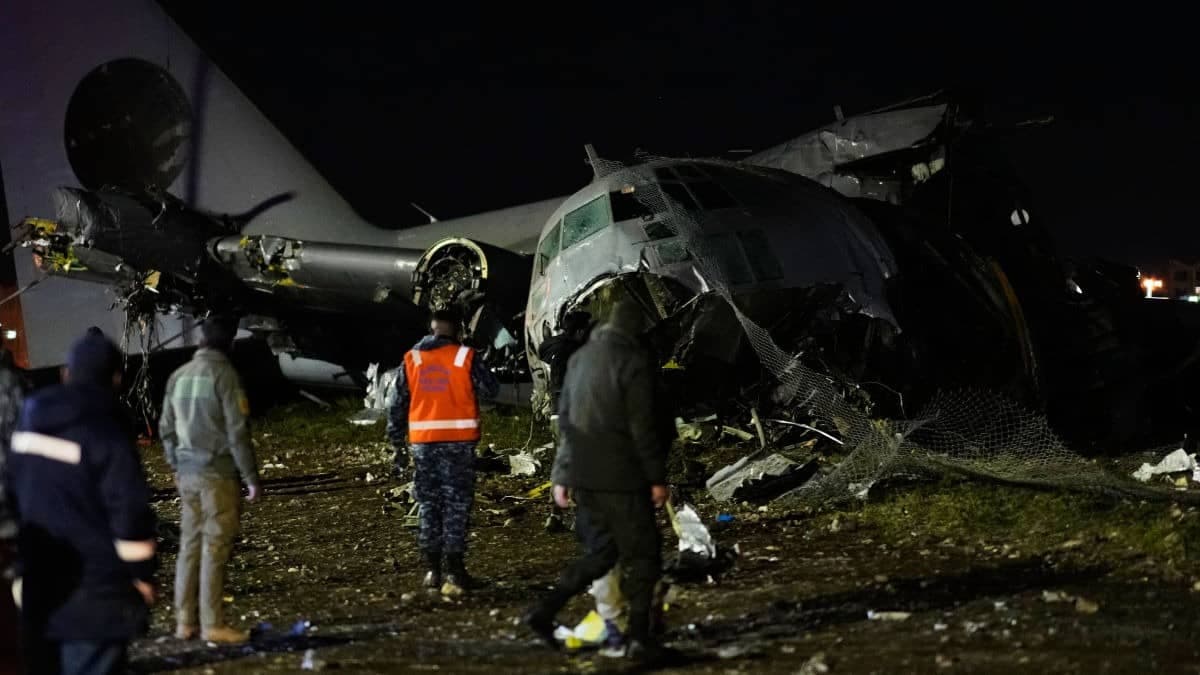
The crash of a Bolivian military cargo plane, reportedly carrying banknotes, has sent shockwaves through the country and beyond. While the immediate tragedy involves the loss of at least 15 lives and the destruction of the aircraft, the incident's unique element – the scattering of money across a highway – adds a bizarre twist that captures public imagination and fuels speculation. This event raises serious questions about security protocols, the transportation of large sums of cash, and the potential for corruption within the Bolivian military and financial systems. Beyond the immediate impact, this crisis could trigger investigations, political fallout, and a reassessment of risk management practices within similar operations globally. The psychology behind the public's fascination stems from the inherent allure of money and the surreal image of wealth literally falling from the sky, creating a powerful, if tragic, spectacle. This analysis will explore the various facets of this incident, examining its historical context, immediate consequences, potential long-term repercussions, and the underlying human factors driving the global reaction.
Table of Contents
- Historical Context: Aviation Accidents and Financial Instability in Bolivia
- The Immediate Aftermath: Casualties, Cash Recovery, and Initial Investigations
- Security Protocols Under Scrutiny: Why Was a Military Plane Transporting Banknotes?
- The Socio-Economic Impact: Speculation, Opportunity, and Ethical Dilemmas
- The Political Ramifications: Calls for Investigation and Potential Government Fallout
- Global Media Coverage and Public Reaction: The Allure of 'Money Falling From the Sky'
- The Friction: Skepticism, Conspiracy Theories, and the Question of Missing Funds
- Comparative Analysis: Similar Incidents and Lessons Learned
- Future Predictions: Policy Changes, Increased Security, and Long-Term Economic Effects
- Expert Perspectives: Differing Views on the Causes and Consequences
- Pro Tips: Mitigating Risk in High-Value Transportation
- FAQ: Addressing Common Questions and Concerns
- Conclusion: A Call for Transparency and Accountability
1. Historical Context: Aviation Accidents and Financial Instability in Bolivia
Bolivia has a history of both aviation accidents and periods of financial instability. Understanding this context is crucial for interpreting the present situation. Several factors contribute to this, including challenging terrain, older aircraft in operation, and, at times, lax regulatory oversight. The country's economic fluctuations, marked by periods of inflation and currency devaluation, have also influenced how financial resources are managed and transported. We must also consider the historical backdrop of political instability, often accompanied by shifts in power and accusations of corruption, to fully grasp the potential implications of this event.
Previous incidents involving the transportation of valuables, whether successful or otherwise, likely shaped current protocols. However, this crash suggests that those protocols were either inadequate or not properly followed. Comparing this event to past aviation disasters in Bolivia can reveal patterns and systemic weaknesses within the aviation industry and related financial sectors.
Pro Tip: Analyzing historical data on aviation incidents and financial transactions in Bolivia can provide valuable insights into identifying potential vulnerabilities and developing more effective risk mitigation strategies. Ignoring this history dooms you to repeat it.
2. The Immediate Aftermath: Casualties, Cash Recovery, and Initial Investigations
The immediate aftermath of the crash focused on several key areas: rescue and recovery efforts, securing the crash site, and initiating preliminary investigations. The loss of life is undoubtedly the most tragic aspect, impacting families and communities. Simultaneously, efforts were made to recover as much of the scattered money as possible. This raised ethical questions and logistical challenges, as local residents were faced with the temptation to keep the found cash. Early reports likely painted a chaotic scene, with conflicting accounts and unverified information circulating rapidly.
Initial investigations focused on determining the cause of the crash, examining the aircraft's black box (if recovered), and interviewing witnesses. Authorities likely cordoned off the area to prevent looting and preserve evidence. The speed and transparency of these initial steps are crucial for building public trust and addressing concerns about potential cover-ups.
We're seeing early adopters in journalistic circles pushing for real-time fact-checking to combat misinformation surrounding the crash. This is crucial in maintaining public trust and preventing the spread of conspiracy theories.
3. Security Protocols Under Scrutiny: Why Was a Military Plane Transporting Banknotes?
One of the most pressing questions surrounding this incident is why a military plane was used to transport banknotes. Standard practice typically involves specialized security companies or dedicated civilian transport services for such high-value cargo. The use of a military aircraft raises questions about cost-effectiveness, security clearance, and potential conflicts of interest. Was this a standard procedure, or an exceptional case due to logistical constraints or other factors? Examining the chain of command and decision-making process that led to this choice is essential.
Furthermore, the adequacy of the security measures implemented during the transportation process needs careful evaluation. Was the cargo properly insured? Were there sufficient personnel accompanying the shipment? Did the flight crew have the necessary training and experience for handling such sensitive cargo? Any deviation from established security protocols could indicate negligence or even deliberate malfeasance.
Pro Tip: Benchmarking Bolivia's security protocols for transporting high-value goods against international best practices can reveal areas for improvement and strengthen risk management frameworks. Don't reinvent the wheel.
4. The Socio-Economic Impact: Speculation, Opportunity, and Ethical Dilemmas
The scattering of banknotes across a highway has created a unique socio-economic situation. For some, it represents an unexpected windfall – a chance to improve their financial situation, even if only temporarily. However, this opportunity is fraught with ethical dilemmas. Should they keep the money they found, or should they return it to the authorities? This situation highlights the complexities of human behavior in the face of temptation and the potential for both altruism and self-interest.
Economists are divided on whether this event will have a significant impact on the local economy. While the amount of money scattered may be substantial, it is unlikely to fundamentally alter the overall economic landscape. However, it could lead to short-term increases in spending and consumption in the affected area. From a psychological perspective, this event could also affect public perception of wealth and the distribution of resources.
Conversations in private Slack channels suggest that there's been a surge in discussions about ethical decision-making in unexpected wealth scenarios, highlighting the moral complexities this event has brought to the forefront.
5. The Political Ramifications: Calls for Investigation and Potential Government Fallout
This incident is likely to have significant political ramifications. Opposition parties are already calling for a thorough and transparent investigation into the circumstances surrounding the crash. They are demanding accountability from those responsible for the decision to use a military plane to transport banknotes and for any potential security lapses.
The government's response to this crisis will be crucial. A swift and decisive investigation, coupled with clear communication to the public, could help to mitigate the political fallout. However, any perceived attempts to cover up or downplay the incident could further erode public trust and lead to widespread protests. Depending on the findings of the investigation, government officials could face resignation or even criminal charges.
Pro Tip: Governments facing similar crises should prioritize transparency, accountability, and public communication to maintain trust and minimize political damage. Silence fuels speculation.
6. Global Media Coverage and Public Reaction: The Allure of 'Money Falling From the Sky'
The unusual nature of this incident has captured the attention of global media outlets and the public. The image of money literally falling from the sky has a powerful symbolic resonance, evoking themes of wealth, fortune, and the unexpected nature of life. Social media platforms are flooded with comments, memes, and discussions about the crash, reflecting a mixture of shock, disbelief, and even morbid fascination. This global attention can put pressure on the Bolivian government to conduct a credible investigation and address any underlying issues that contributed to the tragedy.
The public reaction also reflects deeper anxieties about economic inequality and the perceived unfairness of the financial system. The image of wealth being scattered indiscriminately contrasts sharply with the struggles faced by many people around the world to make ends meet. This contrast can fuel resentment and calls for greater social justice.
7. The Friction: Skepticism, Conspiracy Theories, and the Question of Missing Funds
As with any major event, skepticism and conspiracy theories are swirling around the Bolivian cargo plane crash. Some question the official narrative, suggesting that the amount of money involved was far greater than reported. Others speculate that the crash was not accidental, but rather a deliberate attempt to conceal illicit activities or financial improprieties. Such theories, while often lacking factual basis, can gain traction in the absence of transparent information and credible explanations.
A key concern is the possibility of missing funds. With money scattered across a wide area, it is likely that some of it will never be recovered. This raises questions about how the authorities will account for the missing funds and whether any individuals or groups will attempt to profit from the situation illegally. The potential for corruption and misappropriation of funds adds another layer of complexity to this already sensitive situation.
Pro Tip: Address conspiracy theories head-on with verifiable facts and data to counter misinformation and build public trust. Ignoring them only allows them to fester.
8. Comparative Analysis: Similar Incidents and Lessons Learned
While the specific circumstances of the Bolivian cargo plane crash are unique, there have been similar incidents involving the transportation of valuables that can offer valuable lessons. For example, past cases of armored car robberies or security breaches during cash transfers have highlighted vulnerabilities in security protocols and the importance of thorough risk assessments. Examining these incidents can help to identify common pitfalls and develop more effective preventative measures.
Comparing security practices and regulations across different countries can also provide insights into best practices for transporting high-value goods. Some countries have stricter regulations and more robust security measures than others. Learning from these examples can help Bolivia to strengthen its own safeguards and reduce the risk of future incidents.
9. Future Predictions: Policy Changes, Increased Security, and Long-Term Economic Effects
In the aftermath of this incident, we can expect to see significant policy changes and increased security measures related to the transportation of high-value goods in Bolivia. The government will likely review existing regulations and implement stricter guidelines for the use of military aircraft for civilian purposes. We may also see increased investment in security personnel, equipment, and technology to protect against future thefts or accidents.
Economically, the long-term effects of the crash are likely to be limited. However, the incident could have a negative impact on investor confidence and the country's reputation for financial stability. To mitigate these risks, the government will need to demonstrate a commitment to transparency, accountability, and sound financial management.
Pro Tip: Proactive policy changes and increased security measures can restore investor confidence and strengthen Bolivia's reputation for financial stability in the long run. Don't wait for another crisis.
10. Expert Perspectives: Differing Views on the Causes and Consequences
Experts from various fields offer differing perspectives on the causes and consequences of the Bolivian cargo plane crash. Aviation safety experts emphasize the importance of proper maintenance, pilot training, and adherence to safety protocols. Economists focus on the potential impact on the country's financial stability and investor confidence. Political analysts examine the political fallout and the government's response to the crisis. Security experts assess the adequacy of security measures and the potential for future incidents.
These diverse perspectives highlight the complexity of the situation and the need for a multidisciplinary approach to understanding and addressing the challenges. No single viewpoint can fully capture the nuances of this multifaceted event.
11. Pro Tips: Mitigating Risk in High-Value Transportation
Mitigating risk in high-value transportation requires a comprehensive and proactive approach. Here are some pro tips:
- Conduct thorough risk assessments: Identify potential vulnerabilities and develop strategies to address them.
- Implement robust security protocols: Establish clear procedures for handling, transporting, and securing high-value goods.
- Invest in security personnel and technology: Ensure that you have the necessary resources to protect against theft and other threats.
- Obtain adequate insurance coverage: Protect against financial losses in the event of an accident or theft.
- Conduct regular audits and training: Ensure that security protocols are being followed and that personnel are properly trained.
12. FAQ: Addressing Common Questions and Concerns
Q: Why was a military plane used to transport banknotes? A: The exact reasons are still under investigation, but it may have been due to logistical constraints, cost considerations, or a lack of available civilian transport options.
Q: How much money was involved? A: The official amount has not been definitively released, leading to speculation.
Q: What is being done to recover the scattered money? A: Authorities are conducting a search and recovery operation, but it is unlikely that all of the money will be recovered.
Q: Will people who found money be prosecuted? A: It depends on the local laws and the circumstances of each case. However, authorities are likely to encourage people to return the money voluntarily.
Q: What is the long-term impact of this incident? A: The long-term impact is likely to be limited, but it could lead to policy changes, increased security measures, and a temporary negative impact on investor confidence.
13. Conclusion: A Call for Transparency and Accountability
The Bolivian cargo plane crash is a tragic event with far-reaching consequences. It has raised serious questions about security protocols, the transportation of large sums of cash, and the potential for corruption. To restore public trust and prevent future incidents, the Bolivian government must conduct a thorough and transparent investigation, hold those responsible accountable, and implement robust reforms to strengthen security measures and financial oversight. The world is watching, and the actions taken in the coming weeks will determine Bolivia's credibility and its ability to manage its financial affairs responsibly. This incident serves as a stark reminder of the importance of vigilance, transparency, and accountability in all aspects of governance and finance. It's time for bold action, not just words.
Deep Dives Similar to This
A Milan tram derailed, killing one and injuring dozens. This report dives into causes, public reaction, political fallout, and future implications for urban transport.
Analyzing the China fireworks store explosion: safety concerns, regulatory shifts, & the future of Lunar New Year celebrations. Impact on creators, brands, investors.
A comprehensive overview of the current state of microservices architecture, including its benefits, challenges, and future trends, aimed at developers.