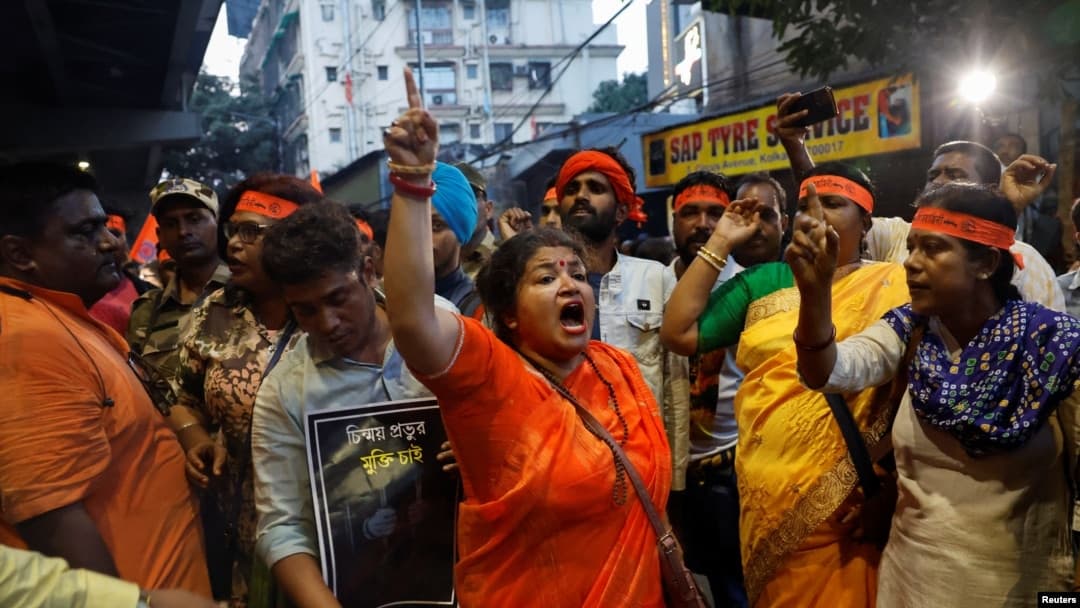

Travel Meltdown: 9% Drop Rocks Tourism Industry! Prepare for turbulence! A shocking 9% decrease in foreign tourist arrivals has sent shockwaves through the tourism sector in 2025. While pinpointing the exact cause is complex, escalating tensions between India and Bangladesh are emerging as a major culprit.
Border Blues: How International Relations Impact Your Vacation. The strained relationship is manifesting in several ways that directly impact tourism. Increased border security measures are causing delays and discouraging spontaneous travel. Negative media coverage is painting an unfavorable picture, deterring potential visitors. Furthermore, diplomatic disputes are creating uncertainty, making travel planning a risky proposition.
Domino Effect: Which Sectors are Hit Hardest? The impact extends far beyond hotels and airlines. Local businesses, tour operators, restaurants, and handicraft vendors are all feeling the pinch. The ripple effect could lead to job losses and economic instability in regions heavily reliant on tourism revenue. Specific areas bordering the two nations are experiencing the most significant decline.
Beyond the Headlines: Other Contributing Factors. While the India-Bangladesh situation is a significant factor, it's crucial to acknowledge other potential influences. Global economic slowdown, rising airfares, and increased competition from other tourist destinations also play a role. Political instability in neighboring countries could also indirectly affect tourism numbers.
Is This the New Normal? The Future of Tourism in the Region. The long-term consequences are uncertain. If tensions escalate further, the decline in tourist arrivals could become a permanent trend. However, proactive measures, such as improved border management, positive public relations campaigns, and diversification of tourism offerings, could mitigate the damage. The situation demands urgent attention and collaborative solutions to revive the industry and restore confidence among international travelers. Expert analysis suggests that focusing on niche tourism markets, like eco-tourism and cultural heritage tours, might help offset the losses from general tourism. Strategic partnerships with other nations to promote regional tourism is also a vital consideration. Developing clear and easily accessible travel advisories will also be crucial to rebuild trust and encourage tourists to return. The road to recovery will require a concerted effort from governments, tourism boards, and local communities alike. The time to act is now to prevent a full-blown crisis in the tourism sector.
Deep Dives Similar to This
A comprehensive overview of the current state of microservices architecture, including its benefits, challenges, and future trends, aimed at developers.
Discover the future of software architecture: Multi-Agent AI Orchestration. Learn how to design systems where AI agents act as parallel processors, collaborating to solve complex problems. Explore the essential skills, tools, and technologies to thrive in this new era.
A comprehensive report on Rust, its features, adoption trends, use cases, and its potential to become the new standard in performance and safety.