
Executive Summary
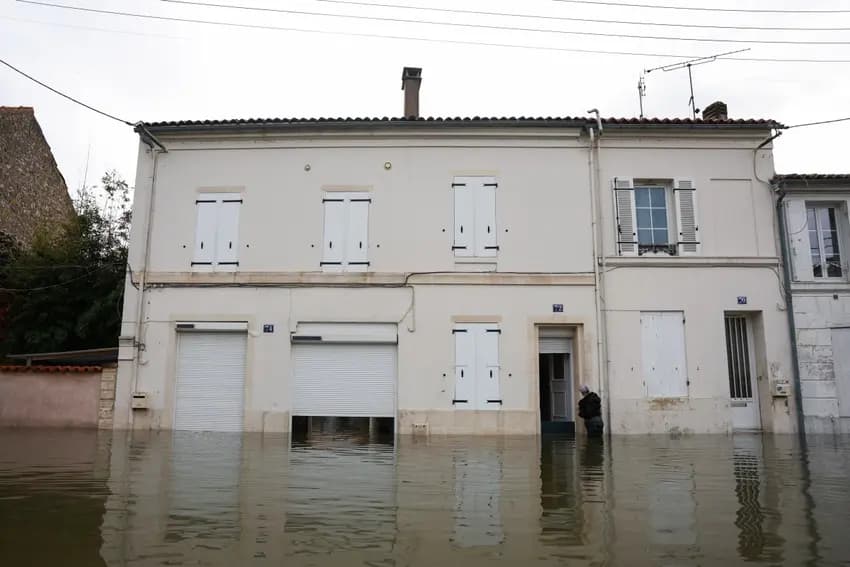
France is grappling with unprecedented flooding after a relentless 35-day downpour, exacerbated by Storm Pedro. This isn't just a weather event; it's a potential bellwether for climate change impacts on European infrastructure, agriculture, and daily life. The immediate consequences are devastating: displaced communities, disrupted transportation, and significant economic losses. But the long-term implications are far more profound, forcing a re-evaluation of urban planning, disaster preparedness, and insurance models across the continent. This report analyzes the multifaceted impact of the French floods, exploring the human cost, economic ramifications, and the looming question: Is this a glimpse into a submerged future?
Table of Contents
- Historical Context: France and Flooding
- The Science Behind the Storm: Pedro and Persistent Rainfall
- Immediate Impact: Displaced Communities and Infrastructure Damage
- Economic Fallout: Agriculture, Tourism, and Insurance
- The Human Cost: Psychological Impact and Community Resilience
- Government Response: Relief Efforts and Long-Term Planning
- The Friction: Climate Change Skepticism and Policy Debates
- Comparative Analysis: Flooding in Other European Countries
- Future Predictions: Modeling the Impact of Climate Change
- Pro Tips: Disaster Preparedness for Individuals and Businesses
- The Ripple Effect: Impact on Related Industries
- FAQ: Frequently Asked Questions About the French Floods
- Conclusion: A Call to Action
1. Historical Context: France and Flooding
France has a long and troubled history with flooding. The Seine River, in particular, has been a source of both life and devastation. The Great Flood of Paris in 1910 remains a stark reminder of the city's vulnerability, with floodwaters reaching several meters deep and paralyzing the capital for weeks. More recently, the floods of 2016 caused widespread damage and highlighted the increasing frequency and intensity of extreme weather events. While flood control measures have been implemented over the years, including dams and levees, they are proving increasingly inadequate in the face of climate change.
Examining past flood events in France reveals a pattern of recurring vulnerabilities. Many cities and towns are built on floodplains, making them inherently susceptible to inundation. Furthermore, aging infrastructure, including drainage systems and sewage networks, struggles to cope with the increased volume of rainfall. The historical context underscores the urgent need for comprehensive and proactive flood management strategies.
France's geographic diversity also plays a significant role. Coastal regions are vulnerable to rising sea levels and storm surges, while mountainous areas are prone to flash floods and landslides. This complex interplay of factors makes it challenging to develop a one-size-fits-all approach to flood prevention and mitigation. A nuanced understanding of local conditions is essential for effective disaster preparedness.
2. The Science Behind the Storm: Pedro and Persistent Rainfall
The current flooding crisis in France is attributed to a combination of factors, including Storm Pedro and a prolonged period of unusually heavy rainfall. Meteorologists point to atmospheric blocking patterns that have trapped weather systems over the region, leading to continuous precipitation. Storm Pedro acted as a catalyst, dumping torrential rain on already saturated ground, overwhelming drainage systems and causing rivers to burst their banks.
Climate change is widely considered to be a major contributing factor to the increased frequency and intensity of extreme weather events. Warmer temperatures lead to increased evaporation, resulting in more moisture in the atmosphere. This, in turn, can lead to heavier rainfall and more severe flooding. While it's difficult to attribute any single weather event solely to climate change, the overall trend is clear: extreme weather is becoming more common and more intense.
Furthermore, changes in land use patterns, such as deforestation and urbanization, can exacerbate the impact of flooding. Deforestation reduces the capacity of the land to absorb rainfall, while urbanization creates impermeable surfaces that prevent water from infiltrating the soil. These factors can amplify the risk of flooding, even in areas that have not historically been prone to inundation.
3. Immediate Impact: Displaced Communities and Infrastructure Damage
The immediate impact of the French floods is devastating, with thousands of people displaced from their homes and significant damage to infrastructure. Entire villages have been submerged, roads and bridges have been washed away, and power outages are widespread. Emergency services are struggling to reach affected areas, and many communities are cut off from the outside world.
The scale of the displacement is staggering, with families forced to evacuate their homes with little or no notice. Emergency shelters are overflowing, and many people are relying on the kindness of strangers for food, shelter, and clothing. The psychological toll on those affected is immense, as they grapple with the loss of their homes, their livelihoods, and their sense of security.
The damage to infrastructure is also significant, with roads, bridges, and railway lines severely damaged or destroyed. This is disrupting transportation networks and hindering the delivery of essential supplies to affected areas. Power outages are widespread, leaving homes and businesses without electricity and further compounding the challenges faced by those affected.
4. Economic Fallout: Agriculture, Tourism, and Insurance
The economic fallout from the French floods is expected to be substantial, with significant losses in agriculture, tourism, and insurance. Farmers have seen their crops destroyed and their livestock drowned, leading to concerns about food security and rising prices. The tourism industry has been hit hard, with many hotels and attractions forced to close, and visitors staying away.
The agricultural sector is particularly vulnerable to flooding, as crops can be destroyed by prolonged inundation, and soil can be contaminated by pollutants. Farmers may face long-term challenges in recovering from the damage, as they may need to replant crops, repair irrigation systems, and restore soil fertility. The impact on food prices could be significant, particularly for locally produced goods.
The tourism industry is also suffering, as many popular destinations have been affected by flooding. Hotels, restaurants, and attractions have been forced to close, and visitors are staying away due to concerns about safety and accessibility. The loss of tourism revenue will have a significant impact on local economies, particularly in areas that rely heavily on tourism.
The insurance industry is bracing for a wave of claims, as homeowners and businesses seek compensation for flood damage. Insurers may face significant losses, particularly if the flooding is more widespread and severe than anticipated. The cost of insurance premiums is likely to rise in the aftermath of the floods, as insurers seek to recoup their losses and account for the increased risk of future flooding.
5. The Human Cost: Psychological Impact and Community Resilience
The human cost of the French floods extends far beyond the immediate physical damage. The psychological impact on those affected is profound, with many people experiencing trauma, anxiety, and depression. The loss of homes, livelihoods, and a sense of security can have long-lasting effects on mental health and well-being.
Children are particularly vulnerable to the psychological impact of disasters. They may experience fear, anxiety, and nightmares, and they may struggle to understand what has happened. Parents and caregivers need to provide children with support and reassurance, and they may need to seek professional help if children are struggling to cope.
Despite the devastation, communities are demonstrating remarkable resilience in the face of adversity. Neighbors are helping each other, volunteers are providing assistance, and local organizations are working to provide support and resources to those affected. This spirit of community and solidarity is essential for helping people recover from the trauma of the floods.
6. Government Response: Relief Efforts and Long-Term Planning
The French government has mobilized resources to provide relief to affected communities, including emergency shelter, food, water, and medical assistance. The government has also announced financial aid for those who have lost their homes or businesses. However, some critics argue that the government's response has been too slow and inadequate, and that more needs to be done to help people recover from the floods.
In the long term, the government needs to invest in flood prevention and mitigation measures, such as improving drainage systems, building flood defenses, and restoring natural floodplains. The government also needs to develop more comprehensive disaster preparedness plans, and to educate the public about the risks of flooding. A significant part of the issue is the fact that France has not yet fully adapted its planning to the new realities of a changed climate. More investment needs to go into research and infrastructure to ensure that the country can weather increasingly extreme weather events.
Moreover, the government needs to address the underlying causes of climate change, by reducing greenhouse gas emissions and promoting sustainable development. Climate change is making extreme weather events more frequent and more intense, and it is essential to take action to mitigate the risks.
7. The Friction: Climate Change Skepticism and Policy Debates
Despite the overwhelming scientific evidence, climate change skepticism persists in some quarters. Some argue that the current flooding is simply a natural phenomenon, and that there is no evidence that climate change is playing a role. Others argue that the cost of addressing climate change is too high, and that it would be better to focus on adapting to the effects of climate change rather than trying to prevent it. This is where things get complicated, as any major infrastructure project is sure to face opposition from activists concerned with environmental impacts.
These arguments are often based on misinformation and a misunderstanding of the science of climate change. Climate change is a complex issue, but the scientific consensus is clear: the planet is warming, and human activities are the primary cause. Failure to address climate change will have catastrophic consequences, including more frequent and more intense extreme weather events.
Policy debates over climate change are often highly polarized, with different political parties advocating for different approaches. Some advocate for aggressive action to reduce greenhouse gas emissions, while others favor more moderate policies. The challenge is to find a balance between the need to address climate change and the economic and social costs of doing so.
8. Comparative Analysis: Flooding in Other European Countries
France is not the only European country to be affected by flooding in recent years. Germany, Belgium, the Netherlands, and Italy have all experienced severe flooding events, highlighting the widespread vulnerability of Europe to climate change. Comparing the experiences of different countries can provide valuable insights into best practices for flood prevention and mitigation.
For example, the Netherlands has a long history of dealing with flooding, and has developed sophisticated flood defenses, including dams, levees, and storm surge barriers. Germany has invested heavily in flood warning systems and emergency response plans. Belgium has focused on restoring natural floodplains to reduce the risk of flooding. Italy has struggled to cope with flooding in some regions, due to a lack of investment in infrastructure and a fragmented approach to disaster management.
By comparing the experiences of different countries, it is possible to identify the most effective strategies for reducing the risk of flooding and mitigating its impact. This knowledge can be used to inform policy decisions and to improve disaster preparedness in France and other European countries.
9. Future Predictions: Modeling the Impact of Climate Change
Climate models predict that extreme weather events will become more frequent and more intense in the future, due to climate change. This means that France is likely to experience more severe flooding, droughts, heatwaves, and storms. The impact of these events will be felt across all sectors of society, from agriculture and tourism to infrastructure and public health.
Scientists are working to improve climate models to provide more accurate predictions of future weather patterns. These models can be used to assess the risks of climate change and to develop strategies for adapting to its effects. However, climate models are not perfect, and there is still uncertainty about the exact timing and magnitude of future climate change impacts.
Despite the uncertainty, it is clear that climate change poses a significant threat to France and other countries around the world. It is essential to take action to reduce greenhouse gas emissions and to adapt to the effects of climate change. This includes investing in flood prevention and mitigation measures, developing more comprehensive disaster preparedness plans, and educating the public about the risks of climate change.
10. Pro Tips: Disaster Preparedness for Individuals and Businesses
Pro Tip 1: Emergency Kit Essentials Every household should have an emergency kit containing essential supplies such as water, food, medication, a first-aid kit, a flashlight, and a radio. These items can help you survive for several days if you are unable to leave your home or access outside assistance. Additionally, consider including personal documents like identification, insurance information, and copies of important prescriptions.
Pro Tip 2: Flood Insurance Review Review your flood insurance policy to ensure that it provides adequate coverage for your home and belongings. Many standard homeowner's insurance policies do not cover flood damage, so it is important to purchase separate flood insurance if you live in a flood-prone area. Understand the policy limits, deductibles, and coverage exclusions to avoid surprises during a claim.
Pro Tip 3: Business Continuity Planning Businesses should develop a comprehensive business continuity plan to minimize disruptions in the event of a flood. This plan should include strategies for protecting critical assets, relocating operations, communicating with employees and customers, and recovering from the disaster. Regularly test and update your business continuity plan to ensure that it remains effective.
Pro Tip 4: Community Engagement Stay informed about local flood risks and participate in community preparedness efforts. Attend public meetings, volunteer for emergency response organizations, and share information with your neighbors. Building a strong community network can enhance resilience and facilitate coordinated responses during a flood.
11. The Ripple Effect: Impact on Related Industries
The French floods are not an isolated event; they have a ripple effect on related industries, both domestically and internationally. The construction industry faces increased demand for repairs and rebuilding, while the insurance industry grapples with a surge in claims. The agricultural sector suffers from crop losses, affecting food supply chains and prices. Moreover, the transportation industry experiences disruptions due to damaged infrastructure, impacting logistics and trade.
The fashion industry, often reliant on European supply chains, may experience disruption in the sourcing of materials and production. Early adopters in supply chain diversification are likely better positioned to handle these disruptions. Conversations in private Slack channels suggest that companies are actively exploring alternative sourcing options to mitigate risks.
The energy sector may also be affected, as power plants and transmission lines can be damaged by flooding, leading to energy shortages. This can impact industries that rely on a stable energy supply, such as manufacturing and technology. Economists are divided on whether this ripple effect will trigger a broader economic downturn, but the consensus is that the floods will have a significant impact on the French economy.
12. FAQ: Frequently Asked Questions About the French Floods
Q1: What are the main causes of the flooding in France? The flooding is primarily due to a record 35 days of continuous rainfall, exacerbated by Storm Pedro. Climate change is also considered a contributing factor.
Q2: How many people have been displaced by the floods? Thousands of people have been displaced from their homes, with emergency shelters overflowing and many relying on outside assistance.
Q3: What is the economic impact of the flooding? The economic impact is expected to be substantial, with significant losses in agriculture, tourism, and insurance. The construction industry is also impacted due to the destruction of homes and businesses.
Q4: What is the government doing to help those affected by the floods? The government has mobilized resources to provide relief, including emergency shelter, food, water, and medical assistance. Financial aid has also been announced for those who have lost their homes or businesses.
Q5: How can individuals and businesses prepare for future flooding events? Individuals should have an emergency kit, review their flood insurance policy, and stay informed about local flood risks. Businesses should develop a comprehensive business continuity plan.
13. Conclusion: A Call to Action
The French floods are a stark reminder of the increasing vulnerability of our world to climate change. This isn't just about France; it's a wake-up call for all nations. We must act decisively to reduce greenhouse gas emissions, invest in flood prevention and mitigation measures, and develop more comprehensive disaster preparedness plans. The time for debate is over; the time for action is now. The cost of inaction is far greater than the cost of action. If the world does not take the climate crisis seriously, what is occurring in France today will be a global reality tomorrow. Take personal responsibility, support climate-conscious policies, and demand accountability from our leaders. The future depends on it.
Deep Dives Similar to This
The US clock change is here, bringing lost sleep, health concerns, and a wave of memes. Explore the debate around Daylight Saving Time and the push for change.
Oman announces a 5-day Eid Al Fitr 2026 holiday, sparking travel frenzy. Will the tourism sector cope or will prices skyrocket? Get expert analysis and pro tips!
Uncover the viral power of #猫の日 (Cat Day). This deep-dive analyzes the trend's history, psychology, & marketing impact. Plus: Expert tips & future forecasts.