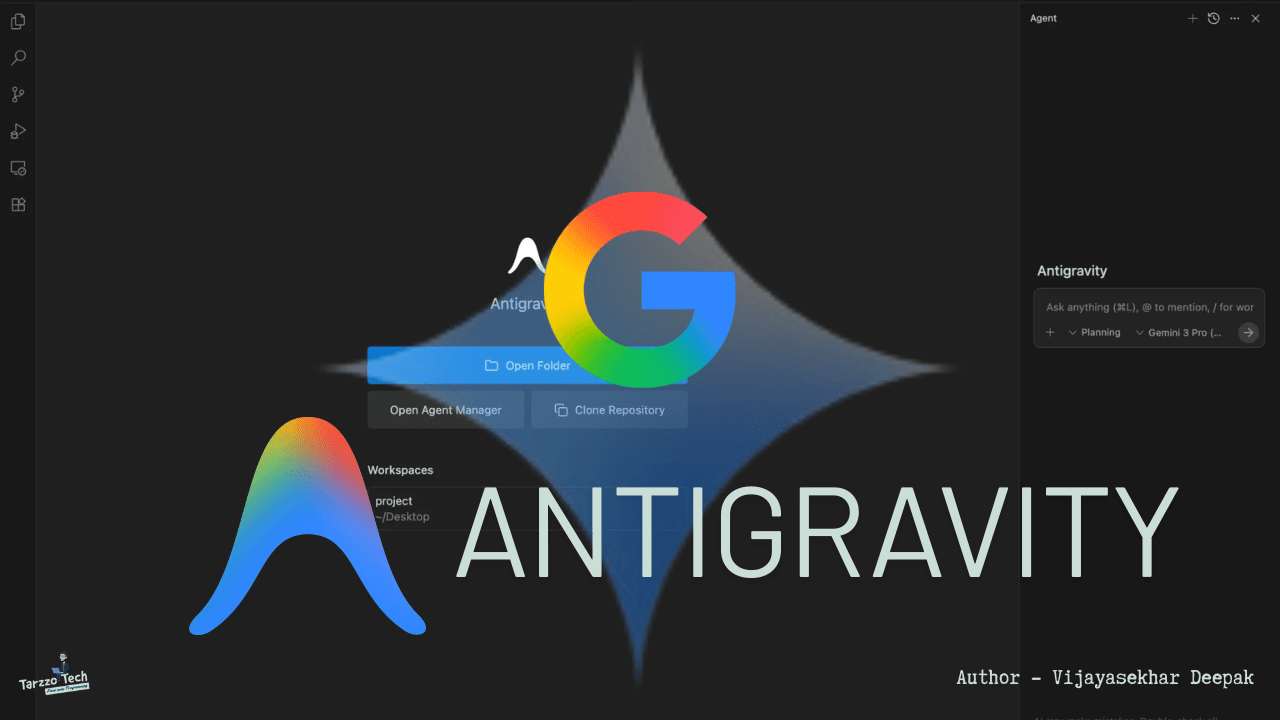

The tech world is buzzing about rumors of Google's 'Antigravity IDE,' an alleged next-generation Integrated Development Environment that promises to revolutionize how software is created. Whispers began circulating last week, fueled by a cryptic patent application and a series of highly speculative tweets from anonymous sources claiming to be 'close to the project.'
What is the 'Antigravity IDE'?
According to these unconfirmed reports, the Antigravity IDE leverages cutting-edge technologies, including:
- AI-Powered Code Completion on Steroids: Forget basic suggestions. This IDE purportedly anticipates entire code blocks, predicts bugs before they happen, and even automatically refactors code for optimal performance. Imagine coding at the speed of thought!
- Cloud-Based Collaboration Reimagined: Seamless real-time collaboration across continents, with integrated version control and conflict resolution that actually works.
- Quantum Computing Integration (Maybe): This is where things get truly wild. Some rumors suggest the IDE might be able to offload computationally intensive tasks to quantum computers for near-instantaneous results, potentially leading to breakthroughs in AI and scientific modeling.
- Holographic Interface: A far-fetched but persistent rumor points to a holographic interface, allowing developers to manipulate code in 3D space. Think Tony Stark, but for coding.
- Integrated Brain-Computer Interface (BCI) Support (Highly Unlikely): A few, more outlandish claims, suggest direct brain-computer interface support for even faster coding. This remains firmly in the realm of science fiction, for now.
Why the Hype?
Google has a history of ambitious projects, and the idea of a truly revolutionary IDE resonates deeply with developers who constantly seek ways to improve productivity and streamline their workflows. The potential benefits are enormous:
- Reduced Development Time: Automating repetitive tasks and predicting errors could dramatically shorten development cycles.
- Improved Code Quality: AI-driven code analysis and refactoring could lead to more robust and maintainable software.
- Democratized Software Development: A more intuitive and powerful IDE could lower the barrier to entry for aspiring developers.
Skepticism Abounds (And Rightfully So):
While the concept is exciting, many industry experts remain skeptical.
- Technological Feasibility: The integration of quantum computing and holographic interfaces presents significant technological hurdles.
- Ethical Concerns: AI-powered code generation raises questions about intellectual property and the role of human developers.
- Google's Track Record: Google has a history of killing off promising projects, leaving developers wary of investing time in a potentially short-lived platform.
The Verdict?
For now, the 'Antigravity IDE' remains firmly in the realm of speculation. While the rumors are intriguing, it's important to approach them with a healthy dose of skepticism. Whether it's a genuine glimpse into the future of software development or just an elaborate hoax remains to be seen. We'll be closely monitoring the situation and will provide updates as more information becomes available.
What do you think? Is the 'Antigravity IDE' a game-changer or just another overhyped tech fantasy? Let us know in the comments!
Deep Dives Similar to This
Comprehensive trend report on the importance of AI literacy, drawing parallels to the adoption of computers in offices and providing actionable steps for acquiring this essential skill.
Zhipu AI launches GLM-5-Turbo, an AI model designed for OpenClaw, signaling a potential breakthrough in generative AI technology. Explore the implications for developers, businesses, and consumers.
Starting March 1, 2026, WhatsApp will require Indian users to link their accounts to the physical SIM card in their primary phone. This could impact multi-device logins and WhatsApp Web usage.