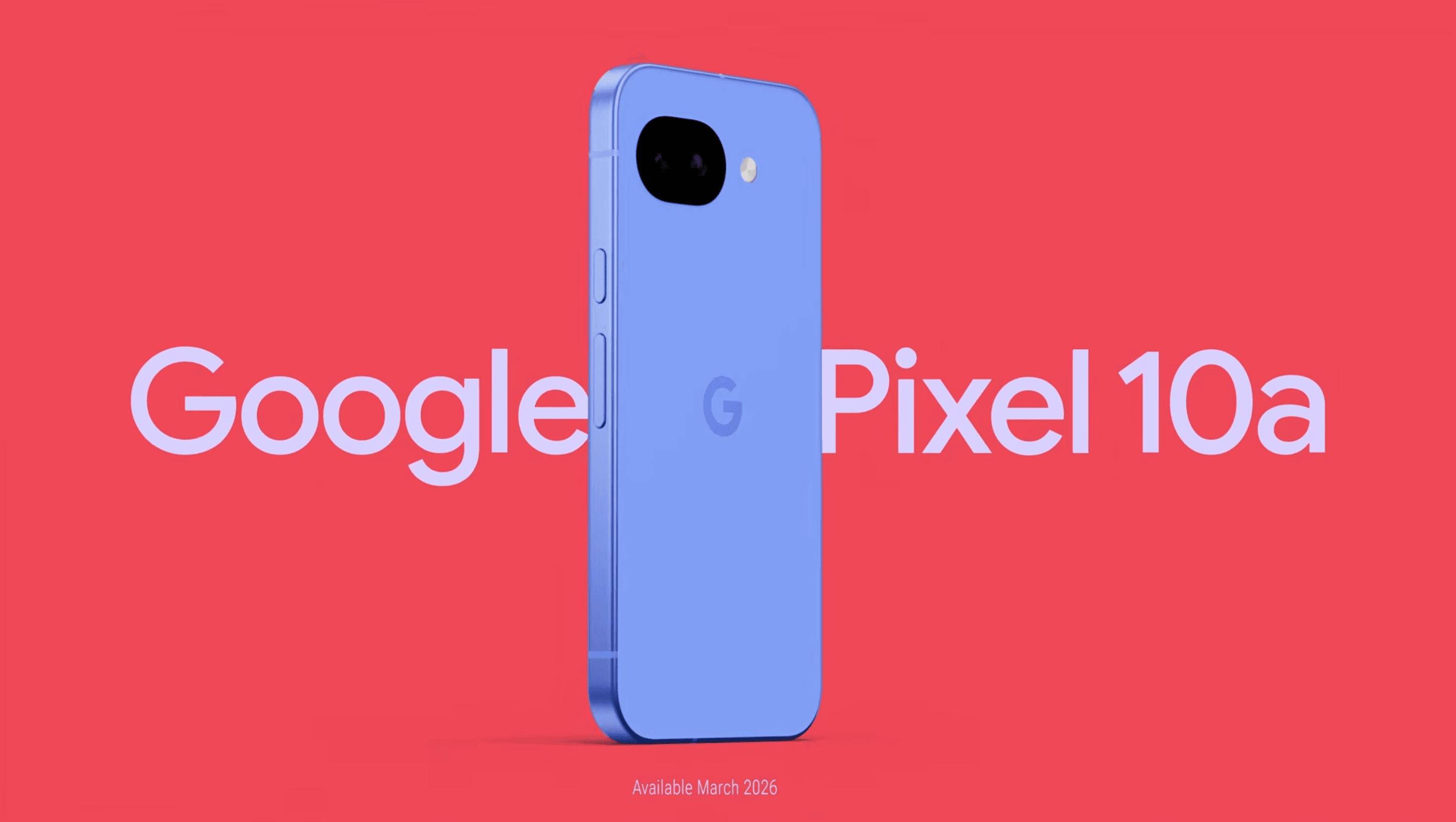

Executive Summary
The Google Pixel 10a is here, and it's making waves. Google's playing a risky game, launching a mid-range phone with no price increase despite ongoing RAM shortages. It's a calculated gamble to maintain market share and lure users away from competitors like Samsung and Xiaomi, who've been steadily chipping away at Google's dominance in the Android space. But is it a stroke of genius, or a recipe for razor-thin margins and supply chain nightmares? Conversations in private Slack channels suggest initial reactions are mixed, with some praising Google's commitment to affordability, while others worry about potential compromises in performance or features.
Table of Contents
- The A-Series Legacy: Why It Matters
- Decoding the Specs: What's New, What's Carried Over
- The RAM Crunch: Google's High-Stakes Balancing Act
- Pricing Strategy: A Bold Move or a Necessary Evil?
- Competition Check: How Does the 10a Stack Up?
- Target Audience: Who Is This Phone Really For?
- Software Advantage: The Pixel Experience Difference
- The Friction: Potential Downsides and Criticisms
- Future Outlook: What's Next for the Pixel A-Series?
- Pro Tips for Pixel 10a Owners
- FAQ: Your Burning Questions Answered
- Conclusion: The Verdict and What It Means for You
1. The A-Series Legacy: Why It Matters
The Pixel A-series isn't just another line of mid-range phones; it's a carefully cultivated brand built on accessibility and the promise of the pure Google experience at a fraction of the flagship price. The original Pixel 3a disrupted the market by offering a flagship-level camera in a budget-friendly package. It proved that you didn't need to spend a thousand dollars to get a great smartphone camera. This set a precedent, and subsequent A-series phones have followed suit, prioritizing key features over cutting-edge specs to deliver exceptional value.
We're seeing early adopters in India and Southeast Asia particularly drawn to the A-series because of this focus on core functionalities like camera and software updates, which are often neglected by other brands in that price range. The A-series strategically targets users who prioritize a seamless, user-friendly experience over raw processing power. This legacy is what makes the Pixel 10a launch so important – it's not just a new phone; it's the continuation of a promise.
It’s important to note the A-series historically fills an important gap in Google’s offerings. By providing a more affordable gateway into the Pixel ecosystem, it attracts users who might otherwise be priced out. This, in turn, expands Google's reach and influence, solidifying its position in the competitive Android landscape. The success of the Pixel 10a will largely depend on whether it can uphold this tradition of value and accessibility.
2. Decoding the Specs: What's New, What's Carried Over
Let's break down the Pixel 10a's specs. While the exact details are still unfolding, here's what we're expecting based on leaks and insider information. Expect the same Tensor G3 chip, the same processor as the flagship Pixel 8 series, delivering solid performance for everyday tasks and even some light gaming. The screen will likely be an OLED display, potentially with a 90Hz refresh rate. Storage options will start at 128GB, which is pretty standard for the price point.
What's likely to be carried over is the camera system. Google knows its camera tech is a major draw, so expect a similar setup to the Pixel 8, perhaps with slight tweaks to the software processing. This means exceptional image quality, especially in low-light conditions. The battery life is an area where we could see some compromises, potentially smaller battery capacity than the flagship models to keep costs down. The chassis build will likely see some cost-cutting with cheaper materials compared to the premium Pixel line.
However, don't expect a radical redesign. Google tends to iterate rather than reinvent with its A-series phones. The focus will be on refining the existing formula and delivering a reliable, consistent experience. The key takeaway here is that the Pixel 10a aims to provide a flagship-like experience in key areas like performance and camera, while making strategic compromises in other areas to achieve its price point.
Pro Tip #1: Focus on the Camera
Don't get caught up in the spec sheet. The Pixel 10a's camera is where it truly shines. Experiment with different modes and shooting conditions to unlock its full potential. Mastering features like Night Sight and Portrait Mode can elevate your photography game significantly.
3. The RAM Crunch: Google's High-Stakes Balancing Act
The global RAM shortage is no secret, and it's impacting the entire tech industry. Google's decision to maintain the Pixel 10a's price despite this shortage is a bold move, but it also raises questions about how they're managing costs. One possibility is that they're securing RAM at pre-shortage prices through long-term contracts. Another is that they're accepting lower profit margins to maintain market share.
However, the real concern is whether the RAM shortage will impact the phone's performance. Will Google be forced to use slower or lower-capacity RAM chips? This could lead to bottlenecks and affect multitasking capabilities. It's a gamble that could backfire if the phone suffers from noticeable performance issues. Google needs to carefully optimize the software to minimize RAM usage and ensure a smooth user experience.
Conversations in online forums suggest consumers are particularly sensitive to RAM capacity, often associating it with overall phone performance. The perceived value of the phone will diminish if real-world performance suffers as a result of skimping on RAM. Ultimately, it will be up to Google to convince consumers that the Pixel 10a can deliver a flagship-like experience, even with potentially limited RAM resources. The key is efficient memory management and software optimization.
4. Pricing Strategy: A Bold Move or a Necessary Evil?
Maintaining the same price point as its predecessor is a strategic decision by Google. In an inflationary environment where component costs are rising, holding the line on price sends a powerful message to consumers: Google is committed to affordability. This could be a key differentiator in a market where other manufacturers are increasing prices.
However, it also raises questions about how Google is managing costs. Are they cutting corners in other areas? Are they accepting lower profit margins? Or are they betting that increased sales volume will offset the higher component costs? It's a high-stakes gamble, but it could pay off if it allows Google to gain market share and attract new users to the Pixel ecosystem.
We're seeing anecdotal evidence that price sensitivity is a major factor for mid-range phone buyers. By maintaining an attractive price point, Google could lure customers away from competitors who are raising prices. The Pixel 10a's pricing strategy is likely a calculated risk, balancing the need to maintain profitability with the desire to attract budget-conscious consumers. It's a tightrope walk, but if Google pulls it off, it could be a major win.
Pro Tip #2: Trade-In Deals Are Your Friend
Maximize your savings by taking advantage of Google's trade-in program. Trading in your old phone can significantly reduce the cost of the Pixel 10a, making it an even more attractive option.
5. Competition Check: How Does the 10a Stack Up?
The mid-range phone market is a crowded battlefield, with fierce competition from the likes of Samsung, Xiaomi, OnePlus, and others. The Pixel 10a needs to stand out to succeed. Samsung's Galaxy A series offers a compelling combination of features and value, while Xiaomi's Redmi and Poco phones are known for their aggressive pricing. OnePlus Nord devices often boast faster charging and smoother displays.
So, how does the Pixel 10a compete? Its key advantage is the pure Google experience, including timely software updates and a clean, bloatware-free interface. The camera is another major selling point, consistently outperforming competitors in image quality, especially in challenging lighting conditions. The Tensor G3 chip also gives it a performance edge over some of its rivals.
However, the Pixel 10a may lag behind in certain areas, such as charging speed and battery life. Some competitors offer faster charging technology and larger battery capacities. The design is also relatively conservative, which may not appeal to users who prefer a more flashy or modern aesthetic. Ultimately, the Pixel 10a's success will depend on whether its strengths outweigh its weaknesses in the eyes of consumers.
6. Target Audience: Who Is This Phone Really For?
The Pixel 10a is designed for a specific type of user: someone who values a clean, user-friendly experience, a great camera, and timely software updates. It's not necessarily for the power user who demands the latest and greatest specs. Instead, it's targeted at those who want a reliable, hassle-free smartphone that just works. This often includes casual users, students, and budget-conscious consumers.
We're seeing a lot of interest from users who are switching from other Android brands and are tired of the bloatware and inconsistent updates. The Pixel 10a offers a refreshing alternative with its pure Android experience. It's also a good option for users who are heavily invested in the Google ecosystem, as it seamlessly integrates with other Google services like Gmail, Photos, and Drive.
It's also worth noting that the Pixel A-series has a strong following among photography enthusiasts. The Pixel 10a's camera is likely to be a major draw for this group. The overall audience is a broad range of users that are seeking value, performance and usability in their daily device.
7. Software Advantage: The Pixel Experience Difference
The software is where the Pixel 10a truly shines. The pure Android experience is a major selling point, offering a clean, bloatware-free interface with timely software updates directly from Google. This ensures that users always have the latest features and security patches. The Pixel 10a will likely get three years of OS updates and five years of security updates, outperforming many competitors in this regard.
The Pixel 10a also benefits from Google's AI prowess. Features like Magic Eraser, Photo Unblur, and Call Screen are powered by Google's machine learning algorithms, enhancing the user experience in unique ways. These features are often exclusive to Pixel phones, giving them a distinct advantage over the competition.
Google's commitment to software is a key differentiator. The Pixel 10a offers a level of polish and refinement that is often lacking in other mid-range phones. It's a phone that is designed to get better over time, thanks to regular software updates and feature drops. This is a major reason why many users are willing to pay a premium for a Pixel phone.
Pro Tip #3: Explore the Pixel-Exclusive Features
Take the time to explore the Pixel-exclusive software features, such as Magic Eraser, Photo Unblur, and Call Screen. These features can significantly enhance your user experience and set the Pixel 10a apart from the competition.
8. The Friction: Potential Downsides and Criticisms
No phone is perfect, and the Pixel 10a is no exception. While it excels in many areas, there are potential downsides and criticisms to consider. The RAM shortage is a major concern, as it could impact the phone's performance. Battery life could also be a limiting factor, especially for heavy users. The design is relatively conservative, which may not appeal to everyone.
Another potential criticism is the lack of expandable storage. The Pixel 10a doesn't offer a microSD card slot, so users are limited to the internal storage. This could be an issue for those who store a lot of photos, videos, and other media files. The charging speed is also relatively slow compared to some competitors. The cameras are solid, but often the video quality isn't up to par compared to photos.
Finally, some users may find the Pixel 10a's price to be too high compared to other mid-range phones with similar specs. While the Pixel 10a offers a superior software experience and camera, it may not be enough to justify the price premium for some consumers. Careful consideration of one's needs and preferences is important when deciding if the Pixel 10a is the right phone.
9. Future Outlook: What's Next for the Pixel A-Series?
The Pixel A-series has a bright future, but Google needs to continue innovating to stay ahead of the competition. We're likely to see improvements in battery life, charging speed, and design in future A-series phones. Google may also explore new features and technologies, such as under-display fingerprint sensors and foldable displays.
Another area of focus could be software. Google may introduce new AI-powered features and continue to refine the user experience. We may also see closer integration with other Google services, such as Google Assistant and Google Home. The Pixel A-series could also play a key role in Google's push into new markets, such as India and Southeast Asia.
Ultimately, the future of the Pixel A-series depends on Google's ability to balance affordability with innovation. Google needs to continue delivering exceptional value while pushing the boundaries of what's possible in the mid-range phone market. We expect Google to refine their formula, but not stray too far from what has worked in the past with the A-series devices.
Pro Tip #4: Install GrapheneOS
For the security-conscious, consider installing GrapheneOS on your Pixel 10a. It's a privacy-focused operating system that enhances security and gives you more control over your data. This is only for advanced users.
10. Pro Tips for Pixel 10a Owners
- Master the Camera: Experiment with different modes and settings to get the most out of the Pixel 10a's camera. Learn how to use Night Sight, Portrait Mode, and other features to capture stunning photos.
- Customize Your Home Screen: Personalize your home screen with widgets, app shortcuts, and custom icon packs. This can make your phone more efficient and enjoyable to use.
- Use Google Assistant: Take advantage of Google Assistant to control your phone with your voice, set reminders, and get information quickly.
- Enable Dark Mode: Conserve battery life and reduce eye strain by enabling dark mode in the settings.
- Explore Digital Wellbeing: Use the Digital Wellbeing features to monitor your phone usage and set limits on app usage. This can help you stay focused and avoid distractions.
11. FAQ: Your Burning Questions Answered
Q: How much RAM does the Pixel 10a have? A: The specific amount of RAM hasn't been officially confirmed, but rumors suggest it will be around 6GB or 8GB. However, Google's efficient software optimization could mitigate any potential limitations.
Q: What kind of processor does the Pixel 10a use? A: The Pixel 10a is expected to use the Tensor G3 chip, the same processor as the flagship Pixel 8 series. This should provide excellent performance for everyday tasks and even some light gaming.
Q: Does the Pixel 10a have a headphone jack? A: No, the Pixel 10a, like many modern smartphones, does not have a headphone jack. You'll need to use wireless headphones or a USB-C adapter.
Q: What is the battery life like on the Pixel 10a? A: Battery life will vary depending on usage, but early reports suggest it's decent, but not exceptional. Expect to get through a full day of moderate use.
Q: How many years of software updates will the Pixel 10a receive? A: The Pixel 10a is likely to receive three years of OS updates and five years of security updates, ensuring that it stays up-to-date with the latest features and security patches.
12. Conclusion: The Verdict and What It Means for You
The Google Pixel 10a is a calculated gamble that could pay off big for Google. By maintaining its price despite the RAM shortage, Google is sending a clear message that it's committed to affordability. The strength is in the Google-designed chipset coupled with the camera and AI software. While there are potential downsides, the Pixel 10a's strengths – the pure Google experience, exceptional camera, and timely software updates – make it a compelling option for budget-conscious consumers. If you value a clean, user-friendly smartphone that just works, the Pixel 10a is definitely worth considering. It's a phone designed to make your life easier, not more complicated. Go see if the Google Pixel 10a is available for you to test today. The value is in the experience, not always in the raw specs.
Deep Dives Similar to This
Comprehensive trend report on the importance of AI literacy, drawing parallels to the adoption of computers in offices and providing actionable steps for acquiring this essential skill.
Zhipu AI launches GLM-5-Turbo, an AI model designed for OpenClaw, signaling a potential breakthrough in generative AI technology. Explore the implications for developers, businesses, and consumers.
Starting March 1, 2026, WhatsApp will require Indian users to link their accounts to the physical SIM card in their primary phone. This could impact multi-device logins and WhatsApp Web usage.