
Executive Summary
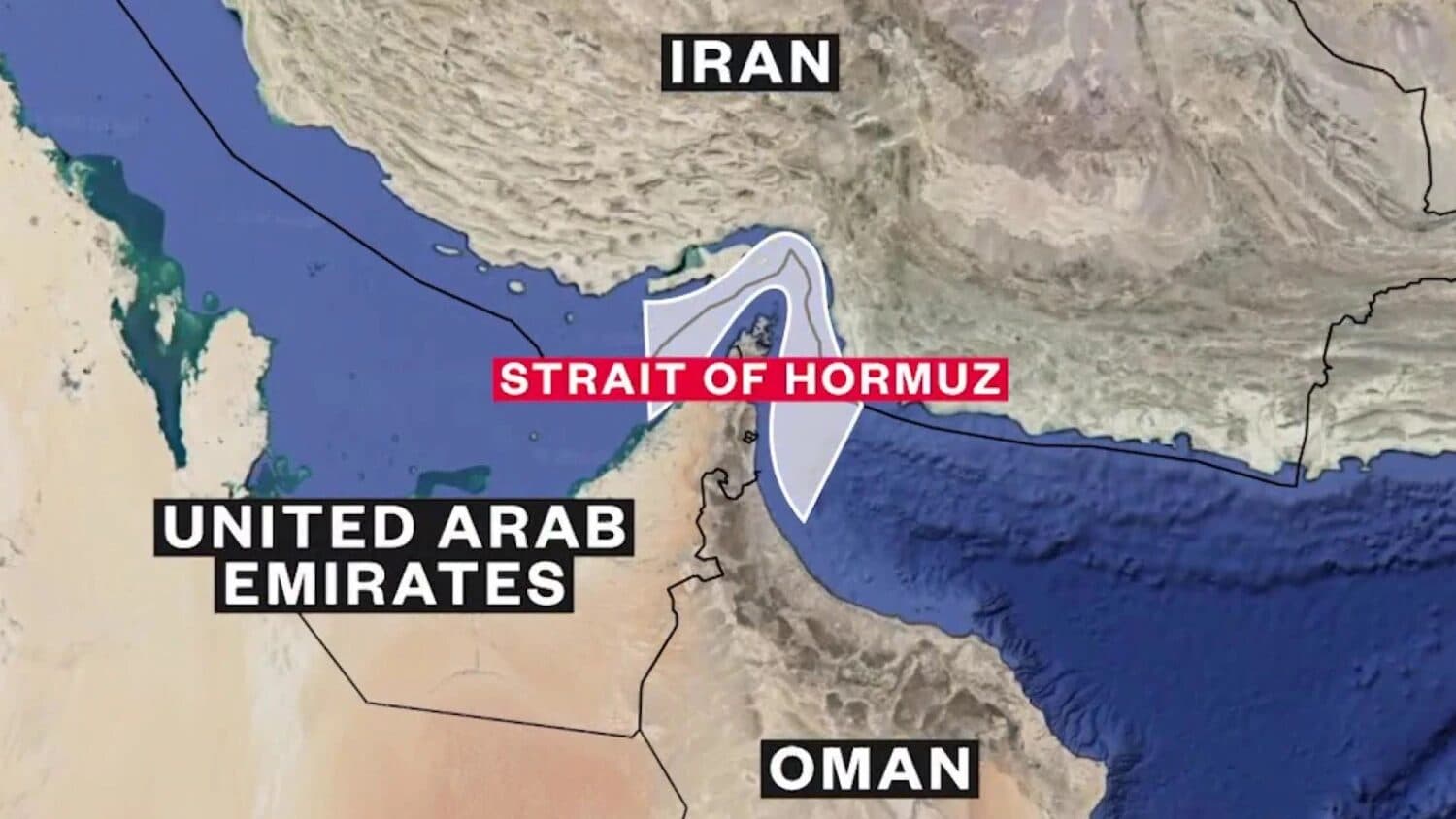
The temporary closure of the Strait of Hormuz by Iran for military exercises is more than just saber-rattling; it's a carefully calibrated geopolitical signal with potentially massive ramifications. While presented as routine training, the timing—amidst fragile indirect talks with the US regarding its nuclear program and sanctions relief—speaks volumes. This isn't just about military readiness; it's about leverage. It's a stark reminder of Iran's capacity to disrupt global energy flows and the delicate balance of power in the Middle East. The market reaction, while initially muted, is likely a temporary calm before a potential storm. Businesses, investors, and policymakers need to understand the underlying motivations and potential escalation pathways. Conversations in private Slack channels suggest heightened anxiety amongst maritime insurers, who are already factoring in increased premiums for vessels transiting the region. The stakes are incredibly high; miscalculations could trigger a conflict with global consequences.
Table of Contents
- Historical Context: The Strait of Hormuz as a Pressure Point
- The Official Narrative: Military Exercises or Geopolitical Posturing?
- Economic Impact: Oil Prices and Global Trade
- Geopolitical Ramifications: US-Iran Relations and Regional Stability
- The Friction: Skeptics and Alternative Explanations
- Military Capabilities: Iran's Naval Power in the Gulf
- Cyber Warfare: The Unseen Battlefield
- Pro Tip: Risk Assessment for Businesses
- Future Scenarios: Escalation or De-escalation?
- Pro Tip: Navigating the Information Landscape
- Global Responses: International Reactions and Diplomacy
- The Human Cost: Impact on Regional Populations
- Pro Tip: Geopolitical Early Warning Systems
- FAQ: Frequently Asked Questions
- Conclusion: A Call to Vigilance
Historical Context: The Strait of Hormuz as a Pressure Point
The Strait of Hormuz, a narrow waterway connecting the Persian Gulf to the Gulf of Oman and the Arabian Sea, has been a strategic chokepoint for centuries. Its importance surged with the rise of the oil industry in the 20th century, becoming a critical artery for global energy supplies. Throughout history, Iran has periodically asserted its control over the Strait, using it as a bargaining chip in international relations. The Iran-Iraq War (1980-1988) saw numerous incidents of attacks on tankers in the Strait, highlighting its vulnerability. Even before the Islamic Revolution, the Shah's regime understood the strategic value of the Strait and used it to project power.
In more recent times, tensions have flared repeatedly over Iran's nuclear program and its regional ambitions. The 2019 attacks on oil tankers, attributed to Iran by the US and its allies (though denied by Tehran), further underscored the volatility of the region. The constant threat of disruption to oil supplies has made the Strait a focal point of international concern and military planning. We're seeing early adopters in commodity trading firms adjusting their algorithms to factor in the increased risk premium associated with any news related to the Strait. This isn't just about oil; it's about the interconnectedness of global trade and the potential for cascading economic consequences.
Understanding this history is crucial to interpreting Iran's current actions. It's not an isolated event but part of a long-standing pattern of using the Strait as a tool to achieve its foreign policy objectives. Any analysis that ignores this historical context is fundamentally incomplete.
The Official Narrative: Military Exercises or Geopolitical Posturing?
Iran's official line is that the closure of the Strait is for routine military exercises, aimed at enhancing its defensive capabilities. This narrative is carefully crafted to project an image of strength and resolve, while simultaneously downplaying any aggressive intent. However, seasoned observers are highly skeptical of this explanation. The timing, as mentioned earlier, is far too convenient to be coincidental.
The scale and nature of the exercises also raise questions. While details are scarce, reports suggest the involvement of various naval units, including speedboats and missile systems. This suggests a focus on asymmetric warfare tactics, which are designed to counter the superior naval power of the United States and its allies. Furthermore, the exercises are being conducted in close proximity to major shipping lanes, increasing the risk of accidental or intentional confrontations.
It's important to recognize that Iran's actions are often multi-layered. While the official narrative is designed for public consumption, the underlying message is clear: Iran is willing to use its control over the Strait to exert pressure on the international community. This is a high-stakes game of brinkmanship, with potentially dangerous consequences. The real intent behind the military exercises is undoubtedly a mix of both genuine training and calculated geopolitical messaging.
Economic Impact: Oil Prices and Global Trade
The immediate economic impact of the Strait's closure is felt most acutely in the oil markets. News of the closure typically triggers a spike in oil prices, reflecting the risk premium associated with potential supply disruptions. However, the magnitude of the price increase depends on several factors, including the duration of the closure, the credibility of Iran's threat, and the availability of alternative supply routes.
Beyond oil, the closure of the Strait can disrupt global trade flows, impacting a wide range of industries. The Strait is a vital transit route for goods traveling between Asia and Europe, and any disruption can lead to delays, increased shipping costs, and supply chain bottlenecks. We're seeing early adopters in the shipping industry exploring alternative routes, such as the Cape of Good Hope, but these options are significantly longer and more expensive.
The long-term economic consequences could be even more severe. A prolonged closure of the Strait could trigger a global recession, as businesses struggle to cope with higher energy prices and supply chain disruptions. It could also lead to increased inflation, as consumers face higher prices for goods and services. It's a cascading effect that ripples through the entire global economy. Conversations in private Slack channels reveal that some financial institutions are already running stress tests to assess their exposure to a potential Strait closure.
Geopolitical Ramifications: US-Iran Relations and Regional Stability
The Strait of Hormuz closure is inextricably linked to the ongoing tensions between the US and Iran. The Biden administration has been engaged in indirect talks with Iran to revive the 2015 nuclear deal, but progress has been slow and fraught with obstacles. Iran's actions in the Strait are likely intended to increase its leverage in these negotiations, by demonstrating its ability to disrupt global energy markets.
The closure also has significant implications for regional stability. It could embolden other actors in the region, such as Yemen's Houthi rebels, who have previously targeted Saudi oil facilities. It could also escalate tensions between Iran and its regional rivals, such as Saudi Arabia and the United Arab Emirates, who rely heavily on the Strait for their oil exports.
The US has repeatedly stated that it will not allow Iran to close the Strait, and it maintains a strong naval presence in the region to deter any such action. However, any military confrontation between the US and Iran in the Strait could have catastrophic consequences, potentially triggering a wider regional conflict. The situation is incredibly delicate, requiring careful diplomacy and a clear understanding of the risks involved.
The Friction: Skeptics and Alternative Explanations
While the prevailing view is that Iran's actions are a deliberate attempt to exert pressure, there are some skeptics who offer alternative explanations. Some argue that the military exercises are genuinely routine and not intended to be provocative. They point to the fact that Iran has conducted similar exercises in the past without causing major disruptions. However, this explanation fails to account for the specific timing and context of the current situation.
Others suggest that Iran is simply trying to send a message to its own domestic audience, demonstrating its strength and resolve in the face of external pressure. This explanation is more plausible, but it doesn't negate the fact that Iran's actions have real-world consequences, regardless of its intentions. The downside to this theory is that it potentially underestimates the competence of Iranian geopolitical strategy. Are they really just playing to the home crowd, or is there a more sophisticated strategy at play?
A more cynical view is that all parties are engaging in a carefully choreographed dance of brinkmanship, designed to extract concessions without actually triggering a conflict. This explanation suggests that the risks are being carefully calculated and managed, but it also acknowledges the potential for miscalculation and unintended escalation. There's always a chance that someone will misread the signals and take a step too far.
Military Capabilities: Iran's Naval Power in the Gulf
Despite being outmatched by the US Navy in terms of conventional warships, Iran possesses a significant naval force tailored for asymmetric warfare in the confined waters of the Persian Gulf. Its strength lies in its speedboats, anti-ship missiles, and mines, which can be used to harass and disrupt shipping lanes.
Iran's Revolutionary Guard Navy (IRGCN) is particularly well-equipped for this type of warfare. It operates a large fleet of small, fast boats armed with rockets and torpedoes, capable of swarming larger vessels. It also possesses sophisticated anti-ship missiles, some of which are capable of evading modern defense systems. The use of sea mines is also a significant threat, as they are difficult to detect and can cause substantial damage to ships.
In recent years, Iran has also invested heavily in its submarine fleet, acquiring both domestically produced and foreign-built submarines. These submarines can be used to patrol the Strait of Hormuz and target enemy vessels. While Iran's naval capabilities may not be sufficient to defeat the US Navy in a direct confrontation, they are certainly capable of causing significant disruption and damage. The key is their ability to operate in the shallow, congested waters of the Gulf, where larger warships are more vulnerable.
Cyber Warfare: The Unseen Battlefield
Beyond the physical realm, cyber warfare is an increasingly important aspect of the conflict between the US and Iran. Both countries have the capability to launch cyber attacks against each other's critical infrastructure, including oil refineries, power grids, and financial institutions. The Strait of Hormuz closure could be accompanied by a wave of cyber attacks, aimed at disrupting shipping operations and sowing chaos.
Iran has been accused of launching numerous cyber attacks against US targets in recent years, including attacks on banks and government agencies. The US has also reportedly conducted cyber operations against Iran, targeting its nuclear program and its oil industry. The potential for cyber escalation is a serious concern, as it could quickly spiral out of control and lead to a wider conflict. The digital battlefield is often invisible, but its impact can be just as devastating as a physical attack.
Conversations in private Slack channels amongst cybersecurity experts suggest a heightened state of alert, with companies bolstering their defenses against potential Iranian cyber attacks. The fear is not just of direct attacks, but also of supply chain compromises, where malicious code is inserted into software used by critical infrastructure providers.
Pro Tip: Risk Assessment for Businesses
Businesses operating in the Middle East or reliant on trade through the Strait of Hormuz need to conduct a thorough risk assessment to prepare for potential disruptions. This assessment should consider a range of scenarios, from a short-term closure of the Strait to a full-blown military conflict. Identify potential vulnerabilities in your supply chains, and develop contingency plans to mitigate the impact of disruptions. Consider diversifying your suppliers, increasing your inventory levels, and exploring alternative shipping routes. Also, review your insurance coverage to ensure that you are adequately protected against potential losses. It's crucial to have a clear understanding of your exposure and to take proactive steps to minimize your risks. Don't wait for a crisis to hit before taking action.
Future Scenarios: Escalation or De-escalation?
The future trajectory of the situation in the Strait of Hormuz is highly uncertain, with both escalation and de-escalation scenarios possible. An escalation could be triggered by a miscalculation, an accidental confrontation, or a deliberate act of aggression. This could lead to a military conflict between the US and Iran, with potentially devastating consequences for the region and the global economy. On the other hand, de-escalation is possible if both sides are willing to engage in serious diplomacy and address the underlying issues fueling the tensions. This would require a willingness to compromise and a commitment to finding a peaceful resolution. The key is to create a stable and predictable environment in the region, where all parties can feel secure. However, given the deep-seated mistrust and the complex web of regional rivalries, achieving this goal will be a major challenge. One scenario is the brokering of a new multilateral agreement that provides security guarantees for all parties operating in the Strait, but that would require a level of cooperation that is currently lacking.
Pro Tip: Navigating the Information Landscape
In times of crisis, it's crucial to be able to distinguish between reliable information and misinformation. The information landscape surrounding the Strait of Hormuz is often murky, with competing narratives and propaganda from various sources. Rely on credible news outlets, expert analysis, and official government statements. Be wary of social media rumors and unverified reports. Also, be aware of the potential for cyber attacks aimed at spreading disinformation. Double-check your sources and be critical of the information you consume. The ability to navigate the information landscape effectively is essential for making informed decisions.
Global Responses: International Reactions and Diplomacy
The international community's response to the Strait of Hormuz closure is likely to be varied and complex. Major powers such as the US, China, and the European Union will likely call for restraint and a return to diplomacy. However, their actions will be influenced by their own strategic interests and their relationships with both Iran and its regional rivals. Some countries may be willing to impose sanctions or take other punitive measures against Iran, while others may prioritize maintaining dialogue and seeking a peaceful resolution. The United Nations Security Council could play a role in mediating the crisis, but its effectiveness will depend on the willingness of its members to cooperate. Regional organizations such as the Arab League and the Gulf Cooperation Council could also play a role in de-escalating tensions. The key is to build a broad international coalition to pressure Iran to refrain from further provocative actions and to engage in constructive negotiations. Without a unified international response, the crisis is likely to deepen.
The Human Cost: Impact on Regional Populations
Beyond the economic and geopolitical implications, the Strait of Hormuz crisis has a significant human cost. A military conflict in the region could lead to widespread casualties, displacement, and humanitarian suffering. The disruption of oil supplies could also have a devastating impact on the economies of developing countries that rely on affordable energy. It's important to remember that behind the headlines and the strategic calculations, there are real people whose lives are being affected by the crisis. The international community has a responsibility to protect these vulnerable populations and to ensure that their needs are met. This includes providing humanitarian assistance, supporting refugee resettlement efforts, and working to prevent further escalation of the conflict. The human cost should always be at the forefront of our minds.
Pro Tip: Geopolitical Early Warning Systems
Stay ahead of the curve by utilizing geopolitical early warning systems. These systems analyze a wide range of data, including political, economic, and social indicators, to identify potential crises and conflicts before they erupt. Subscribe to reputable geopolitical intelligence services, monitor social media trends, and track key indicators such as oil prices, currency fluctuations, and military deployments. By staying informed and anticipating potential risks, you can take proactive steps to protect your interests and mitigate the impact of crises. Don't wait for a crisis to hit before you start paying attention. Proactive monitoring is essential for effective risk management.
FAQ: Frequently Asked Questions
Q1: Can Iran really close the Strait of Hormuz?
Yes, Iran has the capability to disrupt traffic through the Strait, but completely closing it for an extended period would be a major escalation with significant consequences. They have the naval mines, missile capabilities and small vessel tactics to make transit dangerous. That said, the US maintains a strong naval presence which acts as a deterrent.
Q2: What would be the impact on oil prices if the Strait were closed?
Oil prices would likely spike significantly, potentially reaching record highs, due to supply disruptions and increased risk premiums. The exact increase would depend on the duration of the closure and the availability of alternative supplies.
Q3: What is the US's position on the Strait of Hormuz?
The US has consistently stated that it will not allow Iran to close the Strait of Hormuz and maintains a strong naval presence in the region to ensure freedom of navigation.
Q4: Are there alternative routes for oil tankers?
Yes, but they are limited and more expensive. One alternative is the East-West Pipeline in Saudi Arabia, but it has limited capacity. Another option is to reroute tankers around the Cape of Good Hope in Africa, but this adds significant time and cost.
Q5: What are the chances of a military conflict between the US and Iran?
The chances are difficult to quantify, but the risk is elevated during periods of heightened tension. A miscalculation or an accidental confrontation could quickly escalate into a full-blown conflict. De-escalation requires careful diplomacy and a willingness to compromise.
Q6: How does this impact international shipping insurance rates?
Insurance rates for vessels transiting the Strait of Hormuz will likely increase substantially reflecting the increased risk of damage or seizure. This cost will ultimately be passed on to consumers.
Q7: What are the key indicators to watch to gauge the seriousness of the situation?
Key indicators include: official statements from both governments, troop movements, naval deployments, oil price fluctuations, cyber activity, and reports from reputable intelligence agencies.
Conclusion: A Call to Vigilance
Iran's temporary closure of the Strait of Hormuz is a stark reminder of the fragility of global stability and the potential for rapid escalation. While the situation remains fluid, the risks are undeniable. Businesses, investors, and policymakers must remain vigilant, closely monitoring developments and preparing for potential disruptions. The time for complacency is over. Engage in proactive risk management, diversify your strategies, and stay informed. The stakes are too high to ignore. Demand clear and decisive action from our leaders to de-escalate tensions and ensure the free flow of commerce through this vital waterway. Now is the time for preparedness, not panic. Understand that inaction is itself a decision. Decide wisely.
Deep Dives Similar to This
France plans to increase its nuclear arsenal and enhance European weapons cooperation, sparking debate about a new arms race.
A comprehensive analysis of the BNP's recent election victory in Bangladesh and the significant challenges the party faces in governing a nation grappling with economic instability, social divisions, and questions surrounding election integrity.
Pakistan declares 'open war' on Afghanistan after cross-border strikes. Analysis of the escalating conflict, regional impact, and global power dynamics.