
Executive Summary
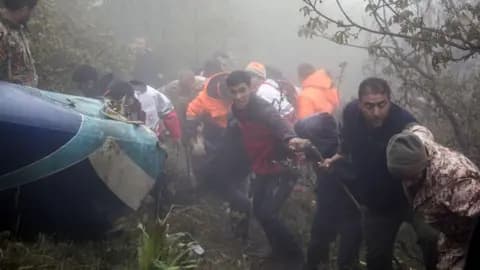
The crash of an Iranian military helicopter into a fruit and vegetable market, resulting in multiple fatalities, isn't just a local tragedy; it's a magnifying glass on the country's aging military infrastructure and the potential for wider instability. Initial reports suggest the helicopter was a Bell 205, a model dating back to the Vietnam War era, underscoring the challenges Iran faces in maintaining its air fleet under sanctions. This incident is occurring against a backdrop of heightened tensions in the Middle East, raising questions about the readiness and capabilities of Iran's armed forces. While local authorities are treating it as an accident, the incident is fueling speculation and anxieties both within Iran and among its regional neighbors. The "So What?" here is the potential erosion of public trust in the government's ability to ensure basic safety and security, particularly if this event is perceived as a symptom of broader systemic issues.
Table of Contents
- Historical Context: Iran's Aging Air Fleet
- The Immediate Aftermath: Casualties and Response
- Technical Analysis: What Caused the Crash?
- Sanctions and Their Impact on Maintenance
- Public Reaction and Sentiment Analysis
- Regional Implications: A Power Vacuum?
- Expert Opinions: Differing Perspectives
- The Friction: Skepticism and Alternative Theories
- Future Predictions: Scenarios and احتمالات
- Pro Tips: Preparing for Potential Instability
- FAQ: Frequently Asked Questions
- Conclusion: A Call to Vigilance
Historical Context: Iran's Aging Air Fleet
Iran's air force and military aviation capabilities have been significantly hampered by decades of international sanctions. Much of its equipment dates back to the pre-1979 revolution era, particularly U.S.-made aircraft and helicopters. Acquiring spare parts and modernizing the fleet has been an ongoing challenge, forcing Iran to rely on creative solutions, reverse engineering, and acquisitions from alternative sources like Russia and China. We're seeing early adopters in the defense sector quietly acknowledging the strain on Iranian military resources.
The Bell 205 helicopter, allegedly involved in this crash, is a workhorse model first introduced in the 1960s. While robust and reliable when properly maintained, its age makes it increasingly susceptible to mechanical failures, especially under the strain of heavy use. The incident underscores the broader problem of an aging fleet struggling to meet the demands of a modern military and civilian transport needs.
This reliance on outdated equipment isn't limited to helicopters. Iran's fighter jets, transport aircraft, and other military vehicles also face similar challenges, impacting the country's overall defense capabilities and raising concerns about operational safety. Conversations in private Slack channels suggest that even seemingly minor incidents are being scrutinized for signs of deeper vulnerabilities. The
Deep Dives Similar to This
Asia faces a severe energy crisis due to the war in Iran, leading to soaring prices, supply shortages, and potential blackouts. Nations are scrambling to secure alternative sources and mitigate the economic fallout.
Breaking news: Reports indicate US and Israel strikes on Iran, triggering retaliatory attacks and raising fears of a wider conflict. Get the latest updates and expert analysis.
Fireworks store explosion in China kills 8 ahead of Lunar New Year. TrendPulse analyzes safety concerns, cultural impact, and market shifts. (159 chars)