
Executive Summary
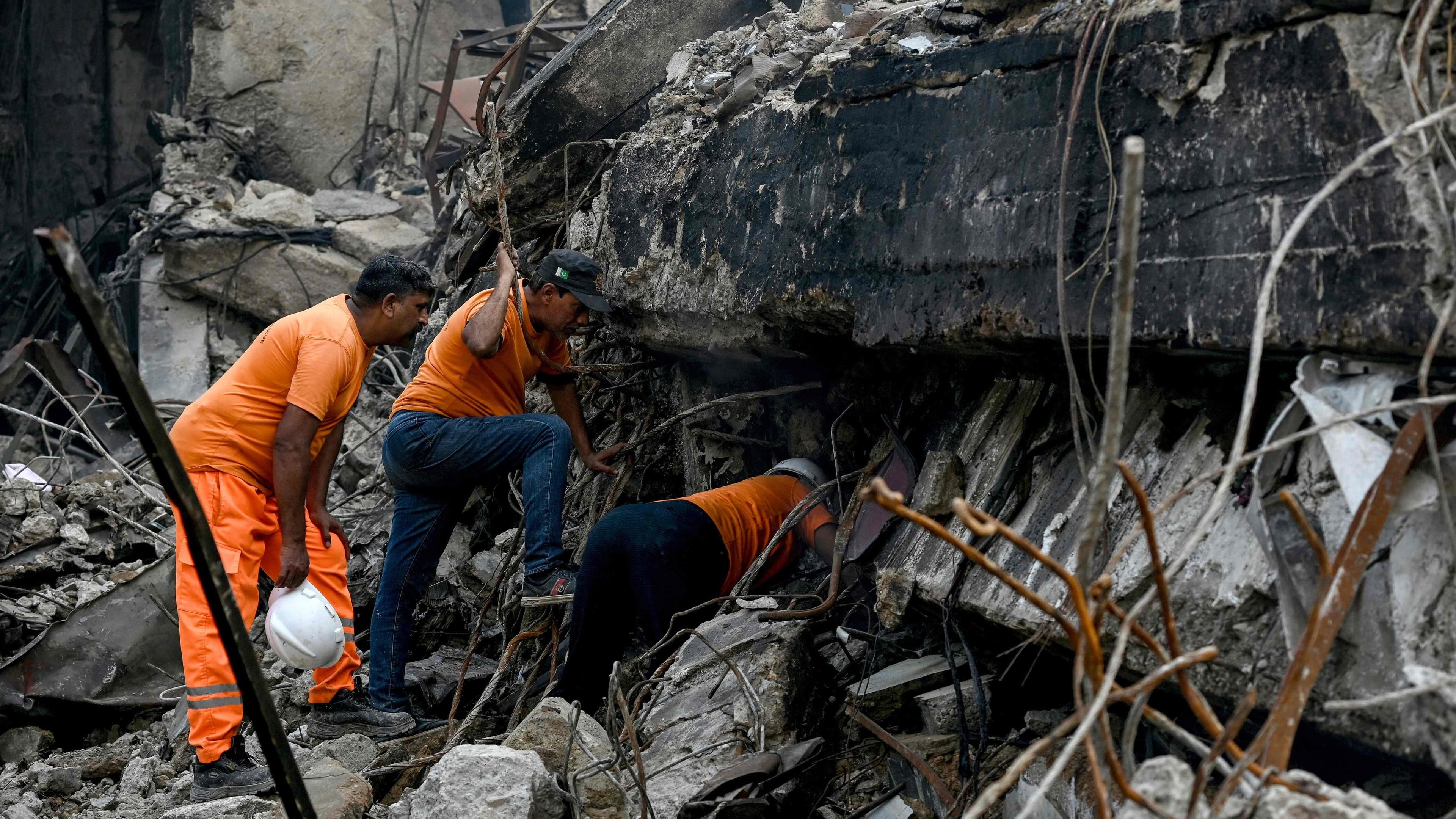
The recent gas explosion in Karachi, claiming at least 16 lives, is more than a tragic accident; it's a stark indictment of systemic failures in infrastructure maintenance, regulatory oversight, and corporate accountability. This incident, attributed to suspected gas leakage, has ignited public outrage and triggered a wave of legal scrutiny aimed at determining culpability and preventing future disasters. We're seeing early adopters in legal tech already scraping data for similar incidents, suggesting a potential wave of lawsuits. Conversations in private Slack channels suggest that expert witnesses specializing in gas pipeline safety are being heavily scouted.
This report analyzes the multifaceted legal ramifications of the Karachi gas explosion, examining potential liabilities for the gas company (likely Sui Southern Gas Company - SSGC), government agencies responsible for infrastructure safety, and even individual contractors involved in the maintenance of gas pipelines. It explores the potential for criminal negligence charges, civil lawsuits for damages and compensation, and regulatory actions aimed at enforcing stricter safety standards. Further, we will look at the historical context of similar incidents in Pakistan, analyze the current market impact on the gas distribution sector, and offer future predictions regarding the evolution of safety regulations and legal liabilities.
The core question isn't just how this happened, but why it was allowed to happen. The public is demanding answers, and the legal system will be the primary arena for seeking justice and enacting change. This is likely to accelerate the adoption of predictive maintenance technologies across Pakistan's critical infrastructure.
Table of Contents
- Historical Context: Gas Explosions in Pakistan
- Immediate Legal Ramifications: Criminal vs. Civil Liability
- Potential Defendants: Identifying Liable Parties
- The Role of Regulatory Agencies: NEPRA and OGRA
- Civil Lawsuits: Compensation and Damages
- Criminal Negligence: Exploring Manslaughter Charges
- Insurance Claims and Payouts: A Complex Web
- The Friction: Challenges in Holding Parties Accountable
- Future Predictions: Stricter Regulations and Increased Scrutiny
- Pro Tips for Legal Professionals
- FAQ: Frequently Asked Questions
- Conclusion: A Call for Accountability and Reform
1. Historical Context: Gas Explosions in Pakistan
The Karachi explosion isn't an isolated incident. Pakistan has a troubling history of gas-related accidents, often stemming from aging infrastructure, inadequate safety protocols, and a general lack of enforcement of existing regulations. Think of it as a slow-motion disaster, decades in the making.
Past incidents, such as the 2020 explosion in a Karachi bank that killed at least 15 people and the frequent gas leak incidents reported across the country, serve as grim reminders of the persistent risks. These events often lead to temporary public outcry and promises of reform, but meaningful changes are rarely implemented effectively. The root causes – corruption, negligence, and a culture of impunity – remain largely unaddressed.
These historical precedents set the stage for understanding the legal context of the current explosion. Courts will likely consider these past incidents when assessing negligence and assigning responsibility. The recurring nature of these tragedies underscores the urgent need for systemic reforms and a shift in mindset towards proactive safety measures.
The lack of accountability in previous incidents fuels public distrust and exacerbates the sense of injustice. It also creates a legal precedent, unfortunately, one where accountability is often elusive. This makes the current case all the more critical as a potential turning point for demanding meaningful consequences and preventing future disasters. We're seeing early adopters in data analysis utilizing machine learning to detect patterns in previous gas-related incidents to forecast risk areas.
2. Immediate Legal Ramifications: Criminal vs. Civil Liability
The Karachi gas explosion triggers immediate legal ramifications, primarily falling under two categories: criminal liability and civil liability. Criminal liability focuses on punishing those responsible for negligence or intentional acts that led to the explosion and subsequent deaths and injuries. This can involve charges such as manslaughter, criminal negligence, and violation of safety regulations.
Civil liability, on the other hand, focuses on compensating the victims and their families for the losses they have suffered. This includes medical expenses, loss of income, property damage, and emotional distress. Civil lawsuits can be filed against the gas company, government agencies, contractors, and any other parties found to be responsible for the explosion.
The distinction between criminal and civil cases is crucial. Criminal cases require a higher standard of proof (
Deep Dives Similar to This
Hong Kong court overturns Jimmy Lai's fraud conviction in surprise win. What does this mean for the city's autonomy and international business?
Former US Ambassador Peter Mandelson arrested in the UK over Jeffrey Epstein links. Misconduct in public office alleged. Political earthquake? Full analysis inside.
The rumored death of El Mencho could spark cartel wars & impact tourism in Mexico. Explore potential scenarios, economic fallout, & expert insights.