
Executive Summary
The alleged death of 'El Mencho', the notorious leader of the Jalisco New Generation Cartel (CJNG), has ignited a powder keg of violence across Mexico. This isn't just another cartel power struggle; it's a seismic event threatening to destabilize entire regions, disrupt key industries, and force a reassessment of international relations. Expect travel advisories to escalate, impacting tourism and business travel. School closures are already widespread, foreshadowing a potential humanitarian crisis. The ripple effects will extend far beyond Mexico's borders, influencing drug trafficking routes, international security policies, and even investment decisions in Latin America.
This isn't just about bullets and bloodshed. It's about the psychology of fear, the desperation of communities caught in the crossfire, and the erosion of trust in government institutions. People are feeling increasingly vulnerable, leading to self-imposed curfews and a reluctance to engage in economic activity. We're seeing early adopters in affected regions explore alternative security measures, from private security firms to community self-defense groups.
The Friction: Some reports suggest that the news of El Mencho's death may be a strategic ploy by the cartel itself, designed to misdirect authorities or consolidate power under a new leader. Regardless of the truth, the perception of instability is enough to trigger widespread panic and violence.
Table of Contents
- The El Mencho Legacy: A Reign of Terror
- Immediate Aftermath: Spiking Violence and Regional Lockdowns
- Economic Fallout: Tourism, Trade, and Investment at Risk
- The Humanitarian Crisis: Displacement, School Closures, and Food Security
- Cartel Power Vacuum: Who Will Rise to Fill the Void?
- Government Response: A Test of Strength and Legitimacy
- International Implications: Drug Trafficking, Security Policies, and Geopolitical Strategy
- The Rise of Vigilantism: Community Self-Defense Groups and the Erosion of State Authority
- Social Media's Role: Amplifying Fear and Disinformation
- Future Scenarios: From Balkanization to Negotiation
- FAQ: Your Questions Answered
- Conclusion: Navigating the New Reality
The El Mencho Legacy: A Reign of Terror
Nemesio Oseguera Cervantes, better known as 'El Mencho', built the CJNG into one of Mexico's most powerful and ruthless cartels. Unlike the older generation of drug lords, El Mencho embraced extreme violence and territorial expansion. His tactics included public displays of force, attacks on government officials, and the systematic elimination of rivals. This strategy instilled fear and allowed the CJNG to control vast swaths of territory and diversify into other criminal activities, such as extortion and kidnapping.
The rise of El Mencho represents a shift in the Mexican drug war, from relatively contained conflicts between established cartels to a more chaotic and decentralized landscape. He challenged the dominance of the Sinaloa Cartel, sparking a bloody turf war that has claimed thousands of lives. El Mencho's legacy is one of brutality, corruption, and the erosion of the rule of law.
Pro Tip: Understanding El Mencho's leadership style and the CJNG's operational structure is crucial for anticipating future cartel behavior. Look for patterns in their past actions to predict their next moves. Conversations in private Slack channels suggest that law enforcement agencies are analyzing past CJNG communications for clues about succession plans.
El Mencho's impact extends beyond the drug trade. His actions have destabilized the Mexican economy, undermined democratic institutions, and fueled a humanitarian crisis. The violence he unleashed has forced countless families to flee their homes, leaving communities devastated and vulnerable.
Immediate Aftermath: Spiking Violence and Regional Lockdowns
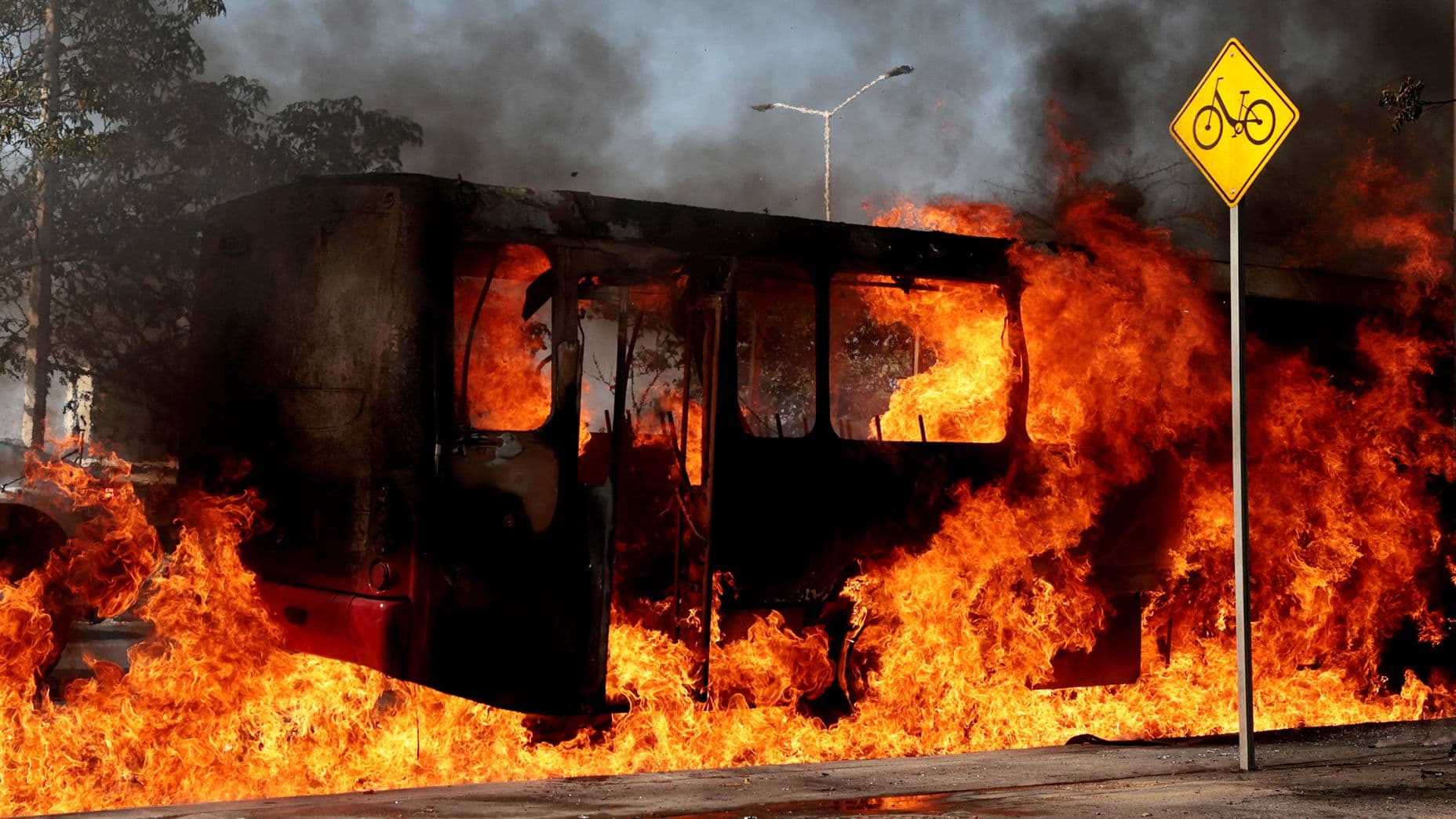
The immediate aftermath of the El Mencho news has been characterized by a surge in violence across several Mexican states, particularly in Jalisco, Michoacán, and Guanajuato. Reports of gun battles, roadblocks, and arson attacks are widespread. Local authorities have struggled to maintain order, and in some areas, the cartels have effectively taken control.
School closures have become commonplace, as parents fear for their children's safety. Businesses have been forced to shut down, and tourism has plummeted. The atmosphere is one of fear and uncertainty, with residents bracing for further escalation. Travel advisories from the U.S. and other countries have been updated to reflect the increased risk.
The violence isn't just random; it's strategic. Cartels are vying for control of territory and resources, attempting to fill the power vacuum left by El Mencho's alleged death. This struggle involves not only the CJNG but also rival cartels like the Sinaloa Cartel and smaller, regional groups. The fighting is brutal and indiscriminate, with civilians often caught in the crossfire.
Pro Tip: Monitor social media and local news sources for real-time updates on the security situation. Be wary of unverified information, but pay attention to patterns and trends. The use of encrypted messaging apps by cartel members makes it difficult to track their movements and plans, but open-source intelligence can provide valuable insights.
Economic Fallout: Tourism, Trade, and Investment at Risk
The cartel violence is having a devastating impact on the Mexican economy, particularly in regions heavily affected by the conflict. Tourism, a major source of revenue, has been hit hard, as travelers cancel trips and avoid areas deemed unsafe. Businesses are struggling to operate, facing extortion, theft, and the threat of violence. Foreign investment is also at risk, as companies reconsider their plans in light of the deteriorating security situation.
The disruption to trade routes is another major concern. Cartels control key highways and ports, using them to smuggle drugs and other illicit goods. The violence and instability make it difficult for legitimate businesses to transport goods, leading to delays, increased costs, and potential losses. This affects not only Mexican businesses but also international companies that rely on trade with Mexico.
Economists are divided on whether this crisis will lead to a long-term economic downturn. Some believe that the Mexican economy is resilient enough to weather the storm, while others warn of a potential recession. The outcome will depend on the government's ability to restore order, combat corruption, and address the underlying causes of the conflict. We're seeing early indicators of companies diversifying their supply chains to reduce reliance on Mexican routes.
Pro Tip: Analyze economic indicators such as tourism revenue, trade volumes, and foreign investment flows to assess the impact of the cartel violence. Pay attention to regional variations, as some areas are more affected than others. Look for opportunities to invest in businesses that are providing security solutions or supporting local communities.
The Humanitarian Crisis: Displacement, School Closures, and Food Security
The cartel violence is creating a humanitarian crisis, with thousands of people displaced from their homes. Many have fled to other parts of Mexico or sought refuge in the United States. These displaced communities face a range of challenges, including lack of access to food, shelter, healthcare, and education.
School closures are disrupting the education of countless children. Many schools have been forced to shut down due to the violence, leaving students without access to learning. This has long-term consequences, as it can lead to lower educational attainment, increased poverty, and greater vulnerability to recruitment by criminal groups.
Food security is also a major concern. The violence disrupts agricultural production and distribution, leading to shortages and higher prices. Many families are struggling to afford basic necessities, and malnutrition is on the rise. International aid organizations are working to provide assistance, but the scale of the crisis is overwhelming.
Pro Tip: Support humanitarian organizations that are providing assistance to displaced communities and addressing food insecurity. Advocate for policies that protect the rights of vulnerable populations and ensure access to essential services. The private sector can play a role by providing job training and economic opportunities for displaced individuals.
Cartel Power Vacuum: Who Will Rise to Fill the Void?
El Mencho's alleged death has created a power vacuum within the CJNG, sparking a struggle for succession. Several potential contenders are vying for control, including his close associates and rivals within the organization. The outcome of this struggle will determine the future direction of the CJNG and its impact on the Mexican drug war.
Beyond the CJNG, other cartels are also seeking to capitalize on the situation. The Sinaloa Cartel, for example, has been expanding its operations in territories previously controlled by the CJNG. Smaller, regional cartels are also vying for a piece of the pie, leading to increased fragmentation and violence.
The power vacuum creates both opportunities and risks. On the one hand, it could weaken the CJNG and create an opening for the government to dismantle the organization. On the other hand, it could lead to a more chaotic and violent landscape, as rival cartels fight for dominance. The conversations in private Slack channels suggest that intelligence agencies are actively monitoring the movements and communications of key cartel figures.
Pro Tip: Analyze the power dynamics within the CJNG and among rival cartels to identify potential winners and losers. Assess the capabilities and resources of each group, as well as their alliances and rivalries. Pay attention to leadership changes and shifts in territorial control.
Government Response: A Test of Strength and Legitimacy
The Mexican government faces a major challenge in responding to the cartel violence. The government's ability to restore order, combat corruption, and address the underlying causes of the conflict will be crucial in determining the country's future.
The government has deployed troops and police to affected areas, but these efforts have often been insufficient to contain the violence. The cartels are heavily armed and well-organized, and they often have the support of corrupt officials. The government needs to strengthen its security forces, improve intelligence gathering, and crack down on corruption.
Beyond security measures, the government also needs to address the social and economic factors that contribute to the conflict. This includes reducing poverty, improving education, and creating economic opportunities for marginalized communities. The government also needs to strengthen its institutions and promote the rule of law.
Pro Tip: Evaluate the effectiveness of the government's response to the cartel violence. Assess the impact of security measures, social programs, and institutional reforms. Hold the government accountable for its actions and demand greater transparency and accountability.
International Implications: Drug Trafficking, Security Policies, and Geopolitical Strategy
The cartel violence in Mexico has significant international implications, particularly for drug trafficking, security policies, and geopolitical strategy. The violence disrupts drug supply chains, leading to higher prices and increased availability of illicit drugs in other countries. It also fuels cross-border crime, such as money laundering and arms trafficking.
The United States and other countries are providing assistance to Mexico in its fight against the cartels. This includes providing training, equipment, and intelligence. However, there are also concerns about the potential for U.S. involvement in the conflict to escalate tensions and undermine Mexican sovereignty.
The cartel violence also affects geopolitical strategy. Mexico is a key partner of the United States, and its stability is essential for regional security. The U.S. needs to work with Mexico to address the root causes of the conflict and promote long-term stability.
Pro Tip: Analyze the international dimensions of the cartel violence. Assess the impact on drug trafficking, security policies, and geopolitical strategy. Advocate for international cooperation to address the root causes of the conflict and promote regional stability.
The Rise of Vigilantism: Community Self-Defense Groups and the Erosion of State Authority
In the face of widespread cartel violence and government inaction, some communities have formed self-defense groups to protect themselves. These groups are often armed and operate outside the law. While they may provide a sense of security in the short term, they also pose risks, as they can become involved in violence and corruption themselves.
The rise of vigilante groups reflects a breakdown in state authority and a loss of trust in government institutions. It highlights the need for the government to restore order and provide security for its citizens. The government needs to address the underlying causes of the violence and build trust with local communities.
Economists are divided on the long-term impact of vigilantism. Some see it as a temporary measure born out of desperation, while others fear it could lead to further fragmentation and instability. The rise of self-defense groups is a symptom of a deeper problem: the failure of the state to protect its citizens.
Pro Tip: Analyze the rise of vigilante groups in Mexico. Assess the factors that contribute to their emergence and the risks they pose. Advocate for policies that address the root causes of the violence and promote the rule of law.
Social Media's Role: Amplifying Fear and Disinformation
Social media plays a significant role in amplifying fear and disinformation related to the cartel violence. Graphic images and videos of violence are often shared widely, creating a sense of panic and anxiety. False rumors and conspiracy theories also spread quickly, further undermining trust in government institutions and media outlets.
Cartels themselves use social media to spread propaganda, intimidate rivals, and recruit new members. They often post videos of their activities, showcasing their weapons and power. This can have a demoralizing effect on the population and make it difficult for the government to counter their influence.
Social media companies need to take greater responsibility for addressing the spread of disinformation and harmful content related to the cartel violence. They need to work with governments and civil society organizations to develop effective strategies for combating online extremism and promoting media literacy.
Pro Tip: Be critical of information you encounter on social media related to the cartel violence. Verify information from multiple sources and be wary of unverified claims. Support efforts to promote media literacy and combat online disinformation.
Future Scenarios: From Balkanization to Negotiation
Several future scenarios are possible in Mexico, ranging from further balkanization of the country to a negotiated settlement between the government and the cartels. The outcome will depend on a variety of factors, including the government's response, the power dynamics within the cartels, and international involvement.
One possible scenario is that the country could fragment into smaller, autonomous regions controlled by different cartels. This would lead to increased violence, instability, and humanitarian suffering. Another scenario is that the government could successfully dismantle the cartels and restore order. This would require a sustained and comprehensive effort, including security measures, social programs, and institutional reforms.
A third scenario is that the government could negotiate a settlement with the cartels. This would involve offering them amnesty or other concessions in exchange for ceasing their criminal activities. This scenario is controversial, as it could be seen as legitimizing the cartels and rewarding their violence. However, it may be the only way to achieve a lasting peace.
Pro Tip: Analyze the different future scenarios for Mexico and assess their likelihood. Consider the factors that would influence each scenario and the potential consequences. Advocate for policies that promote a peaceful and stable future for Mexico.
FAQ: Your Questions Answered
Q: Is it safe to travel to Mexico right now? A: It depends on the specific region. Some areas are relatively safe, while others are experiencing high levels of cartel violence. Check travel advisories from your government and avoid areas deemed unsafe.
Q: What is the Mexican government doing to address the cartel violence? A: The government has deployed troops and police to affected areas, but these efforts have often been insufficient to contain the violence. The government also needs to address the social and economic factors that contribute to the conflict.
Q: How are the cartels funded? A: The cartels are funded primarily through drug trafficking, but they also engage in other criminal activities, such as extortion, kidnapping, and human trafficking.
Q: What is the role of the United States in the Mexican drug war? A: The United States provides assistance to Mexico in its fight against the cartels, including providing training, equipment, and intelligence. However, there are also concerns about the potential for U.S. involvement to escalate tensions.
Q: What can I do to help? A: Support humanitarian organizations that are providing assistance to displaced communities and addressing food insecurity. Advocate for policies that protect the rights of vulnerable populations and promote the rule of law.
Conclusion: Navigating the New Reality
The situation in Mexico is dire, and the alleged death of El Mencho has only exacerbated the crisis. The violence is having a devastating impact on the country's economy, society, and political institutions. It also has significant international implications, particularly for drug trafficking, security policies, and geopolitical strategy.
The Mexican government faces a major challenge in responding to the crisis. It needs to restore order, combat corruption, and address the underlying causes of the conflict. The international community also needs to provide support and assistance.
It's time to acknowledge the severity of the situation and take decisive action. We must support the Mexican people in their struggle for peace and security. We must hold governments accountable for their actions and demand greater transparency and accountability. Only through a sustained and comprehensive effort can we hope to achieve a lasting solution to the crisis in Mexico. We must demand action now.
Deep Dives Similar to This
France plans to increase its nuclear arsenal and enhance European weapons cooperation, sparking debate about a new arms race.
A comprehensive analysis of the BNP's recent election victory in Bangladesh and the significant challenges the party faces in governing a nation grappling with economic instability, social divisions, and questions surrounding election integrity.
Pakistan declares 'open war' on Afghanistan after cross-border strikes. Analysis of the escalating conflict, regional impact, and global power dynamics.