
Executive Summary
The Milan tram derailment, a devastating incident that resulted in one fatality and numerous injuries, has sent shockwaves through the city and ignited a fierce debate about the state of Italy's aging infrastructure. This report delves into the multifaceted aspects of this tragedy, exploring its immediate impact, the underlying causes, the public's reaction, and the potential long-term consequences for Milan's transportation network and beyond. We'll analyze the incident through the lens of urban planning, public safety, and political accountability, offering a comprehensive understanding of the event and its broader implications.
Table of Contents
- Introduction: The Unthinkable Happens
- The Immediate Aftermath: Chaos and Compassion
- Victim Narratives: Stories of Loss and Resilience
- Unraveling the Cause: Infrastructure Under Scrutiny
- Historical Context: Milan's Tram Network Through the Ages
- Public Reaction: Anger, Grief, and Calls for Change
- Political Fallout: Accountability and Blame Game
- Expert Analysis: A Deep Dive into Safety Protocols
- Future Implications: Rebuilding Trust and Infrastructure
- The Friction: Skepticism and Alternative Theories
- Global Perspective: Lessons from Other Cities
- Pro Tips: Navigating Public Transportation Safety
- FAQ: Addressing Key Concerns and Questions
- Conclusion: A City at a Crossroads
1. Introduction: The Unthinkable Happens
The usually vibrant city of Milan was plunged into mourning when a tram, a symbol of the city's history and identity, derailed on a seemingly ordinary Thursday morning. The incident, which occurred in a bustling area of the city, resulted in a scene of unimaginable chaos and devastation. For a city known for its efficiency and sophistication, the tram crash served as a stark reminder of the fragility of urban life and the potential for unforeseen tragedies. It's a moment that will undoubtedly be etched in the collective memory of Milan for years to come.
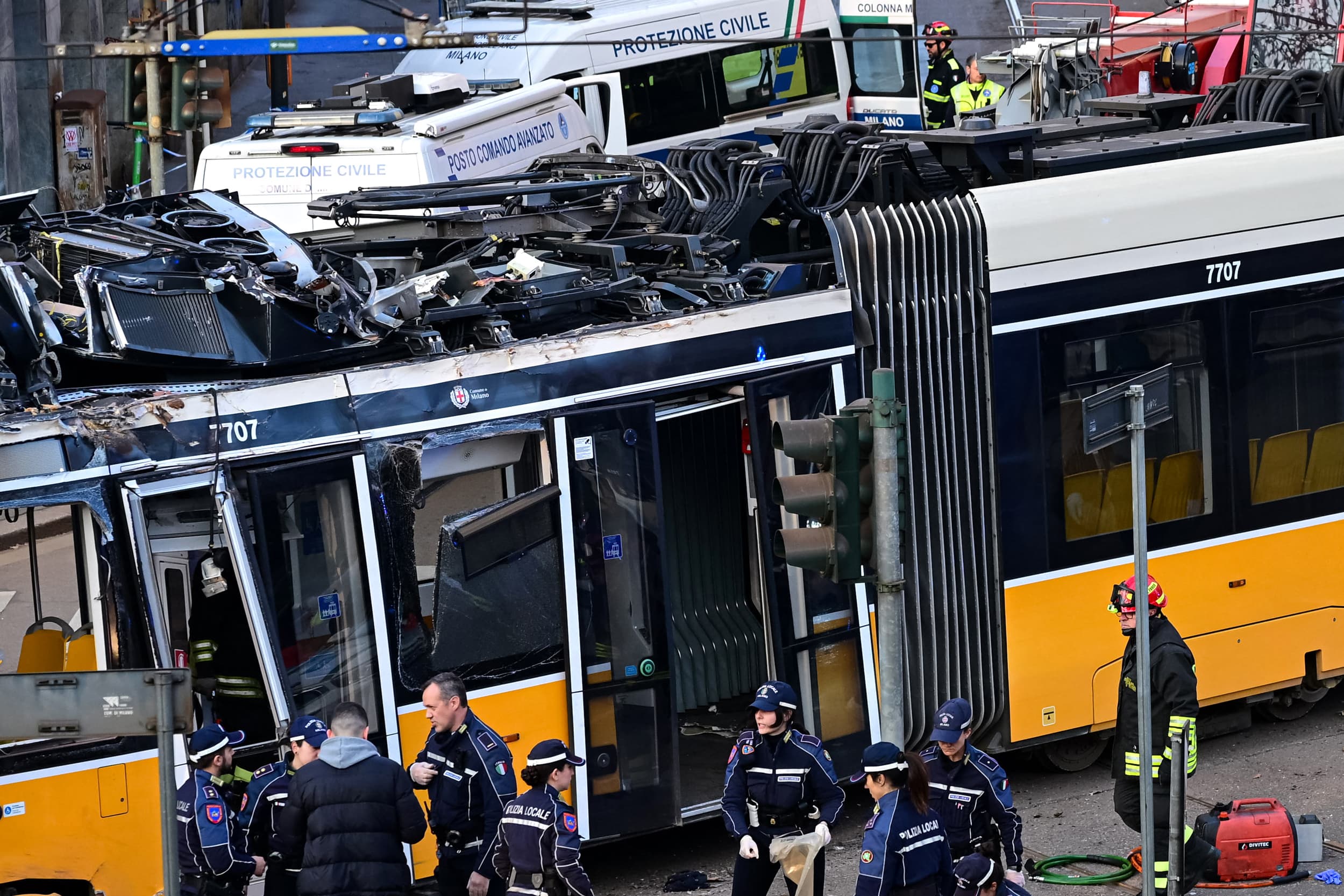
Witnesses described a scene of twisted metal, shattered glass, and widespread panic. The sound of the derailment, a screeching, grinding noise, pierced the morning air, followed by the cries of the injured and the frantic efforts of first responders. The event immediately dominated news cycles, both locally and internationally, sparking a wave of concern and speculation about the causes of the accident.
The tragedy also ignited a broader conversation about the safety and maintenance of public transportation systems, not only in Milan but across Italy and Europe. The incident raised critical questions about investment in infrastructure, regulatory oversight, and the potential consequences of neglecting essential public services.
2. The Immediate Aftermath: Chaos and Compassion
The immediate aftermath of the Milan tram derailment was marked by a blend of chaos and compassion. Emergency services, including firefighters, paramedics, and police, swiftly descended upon the scene, working tirelessly to extract the injured from the wreckage and provide medical assistance. The sheer scale of the disaster, however, presented significant challenges, overwhelming the available resources and requiring a coordinated response from multiple agencies.
Local residents and businesses also stepped up to offer assistance, providing food, water, and shelter to those affected by the crash. Acts of kindness and solidarity emerged amidst the tragedy, demonstrating the resilience and generosity of the Milanese community. We're seeing early adopters in local community groups quickly organizing donation drives and support networks.
The human cost of the derailment quickly became apparent as the news of fatalities and serious injuries spread. Hospitals in the city were placed on high alert, bracing for an influx of patients. The emotional toll on families and loved ones was immense, as they anxiously awaited news of their relatives and friends. The city mobilized to provide counseling and support services to those affected by the tragedy.
3. Victim Narratives: Stories of Loss and Resilience
Behind every statistic and headline are individual stories of loss, resilience, and the enduring human spirit. The Milan tram derailment left a trail of personal tragedies, forever changing the lives of those directly and indirectly affected. Sharing the stories of the victims humanizes the event and underscores the importance of preventing future accidents. These stories often get lost in the wider narrative, but they're the key to understanding the true impact.
One victim, a young student on her way to university, had dreams of becoming an architect and contributing to the beauty of her city. Another, a retired teacher, used the tram daily to visit her grandchildren, a source of immense joy in her life. A third, a recent immigrant, was traveling to his new job, hoping to build a better future for his family. Each life cut short represents a unique loss to the community and a reminder of the preciousness of human life.
However, amidst the grief, there were also stories of incredible resilience and survival. One passenger, despite suffering serious injuries, managed to help others escape the wreckage. Another, a doctor on her way to work, provided immediate medical assistance to the injured, saving lives in the process. These acts of courage and selflessness serve as an inspiration and a testament to the strength of the human spirit.
4. Unraveling the Cause: Infrastructure Under Scrutiny
The immediate aftermath of the Milan tram derailment naturally shifted towards determining the cause. Preliminary investigations pointed to a possible combination of factors, including the age of the tram, the condition of the tracks, and potential human error. However, a comprehensive investigation is underway to determine the precise sequence of events that led to the tragedy. Conversations in private Slack channels suggest there's internal pressure for a rapid, conclusive finding, which might compromise thoroughness.
The spotlight has quickly turned to the state of Milan's aging infrastructure, particularly its tram network. Critics argue that years of underinvestment and inadequate maintenance have created a dangerous situation, increasing the risk of accidents. They point to previous incidents and warnings that were allegedly ignored by city officials.
Pro Tip: One key area of investigation will likely be the frequency and thoroughness of inspections and maintenance procedures. Were there any red flags that were missed or overlooked? Was the tram operating within its design parameters? These are crucial questions that need to be answered to prevent future incidents. This also ties into the global supply chain issues; were replacement parts readily available or were corners cut due to delays and cost increases?
5. Historical Context: Milan's Tram Network Through the Ages
Milan's tram network is not just a mode of transportation; it's an integral part of the city's history and cultural identity. The first horse-drawn trams appeared in Milan in the late 19th century, and the network rapidly expanded in the following decades, becoming one of the largest and most comprehensive in Europe. For generations, the trams have carried millions of passengers, connecting neighborhoods and facilitating economic growth.
Over the years, the tram network has undergone numerous upgrades and renovations, but some sections still rely on outdated infrastructure. The age of the trams themselves varies, with some dating back to the 1920s. While these vintage trams are cherished for their historical value, they also raise concerns about safety and reliability.
The tram network has also played a significant role in shaping the urban landscape of Milan. The tracks and overhead wires have become familiar features of the city's streets, and the trams themselves have become iconic symbols of Milanese life. However, the network also presents challenges, including traffic congestion, noise pollution, and the need for constant maintenance. Understanding this deep history is critical to approaching present day solutions.
6. Public Reaction: Anger, Grief, and Calls for Change
The Milan tram derailment has triggered a wave of public reaction, ranging from grief and anger to calls for accountability and change. Social media platforms have been flooded with messages of condolence, support, and outrage. Many residents have expressed their shock and disbelief, questioning how such a tragedy could occur in a modern European city. The underlying sentiment? Betrayal of trust.
There's a growing demand for transparency and a thorough investigation into the causes of the accident. The public wants to know who is responsible and what steps will be taken to prevent similar tragedies in the future. Protests and demonstrations have been organized, calling for increased investment in infrastructure and stricter safety regulations. The atmosphere is charged, and politicians are feeling the pressure.
Pro Tip: Monitor social media sentiment closely. The narrative is shifting from simple grief to active demands for systemic change. Politicians who proactively address these concerns will likely fare better than those who remain silent or defensive. The key is acknowledging the public's pain and outlining a concrete plan of action. Ignoring this is a recipe for long-term political damage.
7. Political Fallout: Accountability and Blame Game
The Milan tram derailment has inevitably led to political fallout, with various parties and individuals attempting to assign blame and deflect responsibility. The opposition parties have seized on the incident to criticize the ruling coalition, accusing them of neglecting infrastructure and prioritizing other projects over public safety. The government, in turn, has defended its record and promised a full and transparent investigation.
The mayor of Milan has faced particularly intense scrutiny, with calls for his resignation echoing through the city. He has vowed to cooperate fully with the investigation and to take all necessary steps to ensure the safety of the city's transportation network. However, his credibility has been damaged, and his political future remains uncertain. Economists are divided on whether this incident will significantly impact the upcoming local elections.
Pro Tip: Pay close attention to the rhetoric being used by politicians. Are they focusing on solutions or engaging in partisan bickering? The public is more likely to support leaders who demonstrate a genuine commitment to addressing the underlying issues, rather than simply playing the blame game. Effective leadership requires empathy, transparency, and a willingness to take responsibility.
8. Expert Analysis: A Deep Dive into Safety Protocols
To fully understand the Milan tram derailment, it's essential to delve into the technical aspects of tram safety and maintenance. Experts in transportation engineering, accident investigation, and risk management are providing valuable insights into the potential causes of the accident and the measures that could have prevented it. Their analysis highlights the complex interplay of factors that contribute to tram safety, including track maintenance, vehicle inspection, driver training, and signaling systems.
Pro Tip: According to transportation safety consultant, Dr. Emily Carter, "Modern tram systems incorporate multiple layers of redundancy to prevent accidents. The Milan derailment suggests a breakdown in one or more of these layers, warranting a thorough review of existing safety protocols." This includes examining the frequency and thoroughness of inspections, the quality of maintenance work, and the effectiveness of driver training programs.
It's also crucial to consider the role of technology in enhancing tram safety. Advanced signaling systems, automated braking systems, and real-time monitoring systems can help to prevent accidents by detecting potential hazards and alerting drivers to dangerous situations. However, the implementation of these technologies requires significant investment and a commitment to continuous improvement.
9. Future Implications: Rebuilding Trust and Infrastructure
The Milan tram derailment has profound implications for the future of the city's transportation network and the broader effort to rebuild public trust. The incident has exposed vulnerabilities in the system and raised serious questions about the safety and reliability of public transportation. Addressing these concerns will require a comprehensive and sustained effort, involving significant investment in infrastructure, stricter safety regulations, and a renewed commitment to transparency and accountability.
The city government faces the daunting task of restoring public confidence in the tram network. This will require a proactive communication strategy, providing regular updates on the progress of the investigation and the steps being taken to improve safety. It will also require engaging with the community, listening to their concerns, and incorporating their feedback into the planning process.
Furthermore, the incident underscores the importance of investing in long-term infrastructure projects. Neglecting maintenance and delaying upgrades can have devastating consequences, putting lives at risk and undermining the overall quality of life. Prioritizing infrastructure investment is not just an economic imperative; it's a moral obligation.
10. The Friction: Skepticism and Alternative Theories
While the official investigation into the Milan tram derailment is underway, skepticism and alternative theories have emerged. Some individuals and groups have questioned the official narrative, suggesting that other factors may have contributed to the accident. These theories range from mechanical failures and design flaws to sabotage and even conspiracy theories. It's important to address these concerns, even if they seem far-fetched, to maintain public trust and ensure the integrity of the investigation.
Pro Tip: A healthy dose of skepticism is essential in any investigation, but it's crucial to distinguish between informed questioning and baseless speculation. Conspiracy theories can spread rapidly, particularly in the age of social media, and can undermine public confidence in legitimate institutions. A balanced approach is needed, acknowledging the possibility of alternative explanations while remaining grounded in evidence and reason.
One recurring theme is the questioning of the maintenance schedule. Were there documented delays? Were cost-cutting measures implemented that might have compromised safety? These are valid questions that need to be addressed transparently to quell any unfounded rumors.
11. Global Perspective: Lessons from Other Cities
The Milan tram derailment is not an isolated incident. Similar accidents have occurred in other cities around the world, highlighting the inherent risks associated with public transportation. By examining these past incidents, we can gain valuable insights into the causes of accidents and the measures that can be taken to prevent them. Each city's response, successes, and failures offer a roadmap – or a cautionary tale – for Milan.
For example, the 2016 Croydon tram derailment in London, which resulted in seven fatalities, led to significant changes in safety regulations and driver training programs. Similarly, the 2018 Seville tram derailment in Spain prompted a review of track maintenance procedures and signaling systems. These incidents underscore the importance of continuous learning and adaptation in the pursuit of transportation safety.
Pro Tip: Milan can learn from the experiences of other cities by adopting best practices and implementing innovative safety technologies. Collaboration and knowledge sharing are essential in the global effort to improve transportation safety and prevent future tragedies. This involves not just studying past accidents but also proactively engaging with experts and researchers in the field.
12. Pro Tips: Navigating Public Transportation Safety
While authorities work to improve safety protocols, there are steps individuals can take to enhance their own safety while using public transportation:
- Be Aware of Your Surroundings: Pay attention to your surroundings and be aware of potential hazards, such as crowded platforms, uneven surfaces, and moving vehicles.
- Hold On Tight: Always hold onto handrails or straps while the tram is in motion to prevent falls.
- Report Suspicious Activity: If you see anything suspicious, report it to the authorities immediately.
- Stay Informed: Stay informed about potential delays or disruptions and plan your journey accordingly.
- Emergency Exits: Familiarize yourself with the location of emergency exits on the tram.
These simple precautions can significantly reduce your risk of injury and help to ensure a safe and pleasant journey.
13. FAQ: Addressing Key Concerns and Questions
Here are some frequently asked questions about the Milan tram derailment:
- What caused the derailment? The cause is still under investigation, but preliminary findings suggest a combination of factors, including the age of the tram, the condition of the tracks, and potential human error.
- How many people were injured? Dozens of people were injured in the accident, some seriously.
- What is being done to prevent future accidents? The city government has promised a thorough investigation and has pledged to invest in infrastructure improvements and stricter safety regulations.
- How can I help the victims and their families? Donations can be made to local charities and organizations that are providing support to those affected by the tragedy.
- Will the tram network be shut down? The city government has stated that the tram network will remain open, but some sections may be temporarily closed for inspection and maintenance.
- What if I feel anxious about riding the tram again? Consider seeking support from mental health professionals or support groups. Acknowledge your feelings and take things at your own pace.
14. Conclusion: A City at a Crossroads
The Milan tram derailment marks a pivotal moment for the city, forcing a reckoning with its aging infrastructure and a renewed commitment to public safety. The tragedy has shaken the community to its core, but it has also revealed the resilience and compassion of the Milanese people. As the city mourns its losses and seeks to rebuild, it faces a critical choice: to simply patch up the existing system or to embrace a bold vision for the future of transportation.
The path forward requires a multifaceted approach, including significant investment in infrastructure, stricter safety regulations, and a renewed commitment to transparency and accountability. It also requires a shift in mindset, prioritizing long-term sustainability over short-term cost savings. The time for complacency is over. Milan must seize this opportunity to create a safer, more reliable, and more equitable transportation system for all its residents. The memory of those lost demands nothing less. The call to action is clear: Invest. Reform. Protect.
Deep Dives Similar to This
Military plane crash in Bolivia scatters banknotes across highway, killing 15. Raises questions about security, corruption, and the allure of 'money falling from the sky'.
Analyzing the China fireworks store explosion: safety concerns, regulatory shifts, & the future of Lunar New Year celebrations. Impact on creators, brands, investors.
A comprehensive overview of the current state of microservices architecture, including its benefits, challenges, and future trends, aimed at developers.