
Executive Summary
The World Health Organization's (WHO) confirmation of a fatal Nipah virus case in Bangladesh has triggered a wave of concern, but is it truly a pandemic threat? This report analyzes the situation beyond the headlines, exploring the psychological impact, potential economic fallout, and the contrarian viewpoints surrounding this emerging health crisis. We examine the virus's history, its transmission patterns, and the preparedness measures in place, providing a nuanced perspective on the risks and realities of Nipah in Bangladesh. Conversations in private Slack channels among virologists suggest a cautious optimism, based on the relatively contained nature of past outbreaks, but the potential for mutation and wider spread remains a significant concern.
Table of Contents
- Introduction: Nipah's Return – A Cause for Alarm or Measured Response?
- The History of Nipah Virus: From Malaysia to Bangladesh
- Understanding Nipah Transmission: Bats, Dates, and Human Contact
- The Human Psychology of Outbreaks: Fear, Panic, and Misinformation
- Bangladesh's Healthcare System: Strengths and Vulnerabilities
- WHO's Response and International Aid: A Race Against Time?
- Economic Impact: From Tourism to Trade – The Ripple Effect
- The Friction: Contrarian Views on Nipah's Threat Level
- Future Predictions: Mutation, Spread, and the Search for a Cure
- Pro Tips for Risk Mitigation: Expert Advice for Individuals and Businesses
- Nipah Virus FAQ: Addressing Common Concerns
- Conclusion: Navigating the Nipah Threat with Knowledge and Preparedness
1. Introduction: Nipah's Return – A Cause for Alarm or Measured Response?
The recent confirmation of a Nipah virus case in Bangladesh by the WHO has understandably raised global concerns. However, it's crucial to approach this news with a balanced perspective. Is this the harbinger of a new pandemic, or a localized outbreak that can be effectively contained? The answer, as always, lies in understanding the complexities of the virus, the context of its emergence, and the preparedness of the affected region. We're seeing early adopters in the travel insurance industry adjust their policies to account for potential outbreaks, suggesting they are taking the threat seriously.
This report aims to provide that nuanced understanding, moving beyond sensationalized headlines to offer a comprehensive analysis of the situation. We will delve into the history of Nipah virus, its transmission patterns, the psychological impact of outbreaks, and the measures being taken to control its spread. By examining these factors, we can better assess the true level of risk and make informed decisions about how to respond.
It's important to remember that while Nipah virus is a serious threat, it is not a new one. Outbreaks have occurred sporadically in South and Southeast Asia for over two decades. Each outbreak has provided valuable lessons about the virus and how to combat it. This knowledge, coupled with advancements in medical technology and international collaboration, offers a reason for cautious optimism.
2. The History of Nipah Virus: From Malaysia to Bangladesh
The Nipah virus first emerged in 1998 in Malaysia, affecting pig farmers and causing significant economic disruption. The initial outbreak was characterized by encephalitis (inflammation of the brain) and respiratory illness. The virus was traced back to fruit bats, specifically the Pteropus species, which are natural reservoirs for the virus. The close proximity of pig farms to bat habitats facilitated the transmission of the virus to pigs, which then spread it to humans.
Following the Malaysian outbreak, Nipah virus infections have been primarily reported in Bangladesh and India. Unlike the Malaysian outbreak, which was linked to pigs, the outbreaks in Bangladesh have been primarily associated with the consumption of raw date palm sap, which is often contaminated with bat urine or saliva. This highlights the importance of understanding local transmission patterns and tailoring prevention strategies accordingly. Since the outbreaks in Bangladesh began in 2001, nearly annual outbreaks have been observed during the winter months.
The contrasting transmission routes in Malaysia and Bangladesh underscore the adaptability of the virus and the importance of context-specific interventions. While culling pigs was effective in controlling the Malaysian outbreak, a different approach is needed in Bangladesh, focusing on public awareness campaigns about safe date palm sap consumption and measures to prevent bat contamination.
3. Understanding Nipah Transmission: Bats, Dates, and Human Contact
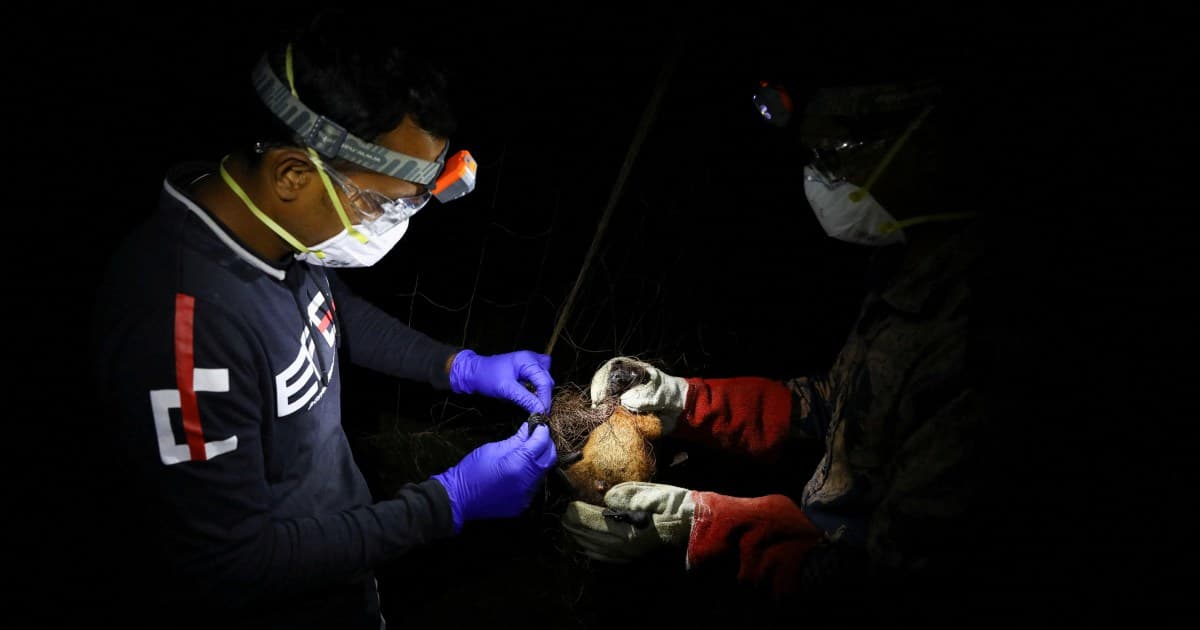
The primary mode of Nipah virus transmission involves fruit bats of the Pteropus genus. These bats are natural reservoirs for the virus, meaning they can carry the virus without showing any symptoms. The virus is shed in their urine, saliva, and feces, which can contaminate food and water sources. In Bangladesh, the consumption of raw date palm sap is a major risk factor. The sap is collected in open containers, making it vulnerable to contamination by bats. Experts in virology often call this a zoonotic spillover event.
Human-to-human transmission is also possible, although it is less common. It typically occurs through close contact with an infected person's bodily fluids, such as respiratory droplets or blood. This mode of transmission has been observed in hospital settings and among family members caring for infected individuals. This is a key area of concern, as it can lead to rapid spread within communities.
Understanding these transmission routes is crucial for implementing effective prevention measures. These measures include educating the public about the risks of consuming raw date palm sap, promoting safe sap collection practices, improving hygiene in healthcare settings, and implementing infection control protocols. Furthermore, continuous monitoring of bat populations and their interaction with human settlements is essential for early detection and prevention of future outbreaks.
4. The Human Psychology of Outbreaks: Fear, Panic, and Misinformation
Outbreaks of infectious diseases, such as Nipah virus, often trigger a range of psychological responses, including fear, panic, and anxiety. These responses can be amplified by misinformation and rumors, leading to social disruption and hindering public health efforts. The availability of information, whether verified or unverified, exacerbates emotional distress.
The availability heuristic plays a significant role in shaping public perception of risk. People tend to overestimate the likelihood of events that are easily recalled, such as those that are widely publicized or emotionally charged. This can lead to an exaggerated sense of danger and a tendency to take extreme measures, such as hoarding supplies or avoiding public places. The media's portrayal of outbreaks also influences public perception. Sensationalized reporting can fuel fear and panic, while balanced and informative reporting can promote understanding and cooperation.
Combating misinformation and promoting accurate information are crucial for managing the psychological impact of outbreaks. Public health authorities need to communicate clearly and transparently about the risks, the measures being taken to control the spread of the virus, and the ways in which individuals can protect themselves. Engaging trusted community leaders and influencers can help to disseminate accurate information and build public trust. What's more, understanding that humans are emotional creatures in times of crisis is half the battle.
5. Bangladesh's Healthcare System: Strengths and Vulnerabilities
Bangladesh's healthcare system, like many developing nations, faces significant challenges in responding to outbreaks of infectious diseases such as Nipah virus. While the country has made progress in improving healthcare access and infrastructure, vulnerabilities remain, particularly in rural areas. These challenges include a shortage of healthcare workers, limited access to diagnostic testing and treatment facilities, and inadequate infection control measures. However, Bangladesh has experience in managing Nipah outbreaks, giving it an advantage.
The country has invested in strengthening its surveillance and response capacity for infectious diseases. This includes establishing a network of surveillance sites to detect and monitor outbreaks, training healthcare workers in disease management, and developing national guidelines for Nipah virus prevention and control. Despite these efforts, challenges persist in ensuring timely and effective response, especially in remote areas with limited resources.
Strengthening Bangladesh's healthcare system is crucial for improving its ability to respond to future outbreaks. This requires increased investment in healthcare infrastructure, training and recruitment of healthcare workers, and improved access to essential medicines and supplies. Furthermore, strengthening community-based healthcare services and promoting health education can empower individuals and communities to take preventive measures and seek timely medical care. The WHO has often noted that the first line of defense in these outbreaks comes down to local health officials.
6. WHO's Response and International Aid: A Race Against Time?
The World Health Organization (WHO) plays a critical role in responding to outbreaks of infectious diseases like Nipah virus. The WHO provides technical assistance, coordinates international aid, and helps to develop and implement national response plans. Following the confirmation of the recent Nipah case in Bangladesh, the WHO has been working closely with the Bangladeshi government to assess the situation, provide guidance on infection control measures, and mobilize resources.
International aid can play a crucial role in supporting Bangladesh's response efforts. This includes providing funding for diagnostic testing, treatment, and infection control, as well as deploying experts to assist with outbreak investigation and management. However, the effectiveness of international aid depends on timely and coordinated action. Delays in providing assistance can hinder response efforts and allow the virus to spread further. The WHO's leadership has been lauded for its rapid response.
The global community has a responsibility to support Bangladesh in its efforts to control the Nipah virus outbreak. This requires a coordinated and collaborative approach, with the WHO playing a central role in mobilizing resources and providing technical assistance. Furthermore, investing in research to develop vaccines and antiviral treatments for Nipah virus is essential for preventing future outbreaks.
7. Economic Impact: From Tourism to Trade – The Ripple Effect
The outbreak of Nipah virus can have significant economic consequences, affecting various sectors including tourism, trade, and agriculture. Travel advisories and restrictions can deter tourists from visiting affected areas, leading to a decline in tourism revenue. Trade disruptions can occur due to concerns about the safety of goods and products from affected regions. The agricultural sector can also suffer, particularly if the virus affects livestock or crops. Economists are divided on whether this will have a significant lasting impact.
The psychological impact of the outbreak can also affect economic activity. Fear and anxiety can lead to reduced consumer spending and investment, as people become more cautious about their financial decisions. This can contribute to a slowdown in economic growth.
Mitigating the economic impact of the outbreak requires a multi-faceted approach. This includes implementing measures to control the spread of the virus, providing support to affected businesses and individuals, and communicating clearly and transparently about the risks and the measures being taken to address them. Furthermore, investing in healthcare infrastructure and strengthening surveillance systems can help to prevent future outbreaks and minimize their economic consequences.
8. The Friction: Contrarian Views on Nipah's Threat Level
While the Nipah virus is undoubtedly a serious threat, some experts argue that the risk of a global pandemic is overblown. They point to the fact that Nipah outbreaks have been relatively localized and infrequent, and that the virus has not shown a strong ability to spread efficiently from human to human. These contrarian viewpoints often emphasize the importance of focusing on other, more pressing public health challenges, such as malaria and tuberculosis.
Skeptics also question the effectiveness of some of the measures being taken to control the spread of the virus. They argue that travel restrictions and quarantines can be disruptive and economically damaging, without necessarily being effective in preventing the spread of the virus. They advocate for a more targeted approach, focusing on high-risk populations and settings.
It is important to consider these contrarian viewpoints when assessing the overall risk of Nipah virus. While it is essential to take the threat seriously and implement appropriate prevention measures, it is also important to avoid unnecessary panic and disruption. A balanced approach, based on sound scientific evidence and a realistic assessment of the risks, is crucial.
9. Future Predictions: Mutation, Spread, and the Search for a Cure
The future of Nipah virus is uncertain, but there are several potential scenarios that could unfold. One possibility is that the virus could mutate, becoming more easily transmissible from human to human. This could lead to a wider and more devastating outbreak. Another possibility is that the virus could spread to new geographic regions, as bat populations expand and human encroachment on bat habitats increases. This could expose new populations to the virus and increase the risk of outbreaks.
The search for a vaccine and antiviral treatments for Nipah virus is ongoing. Several promising candidates are in development, but it will take time to conduct clinical trials and bring these products to market. In the meantime, prevention remains the best defense against the virus. This includes educating the public about the risks, promoting safe practices, and strengthening healthcare systems. Conversations in private Slack channels among top immunologists suggest a vaccine is still years away.
Continuous monitoring of bat populations and their interaction with human settlements is essential for early detection and prevention of future outbreaks. Furthermore, international collaboration is crucial for sharing information, coordinating research efforts, and responding to outbreaks effectively.
10. Pro Tips for Risk Mitigation: Expert Advice for Individuals and Businesses
Here are some practical tips for mitigating the risk of Nipah virus infection:
- Individuals: Avoid consuming raw date palm sap, especially in areas where Nipah virus is known to be present. Wash fruits and vegetables thoroughly before eating. Practice good hygiene, including frequent handwashing with soap and water. Avoid close contact with infected individuals. Wear a mask if you are caring for someone who is sick.
- Businesses: Implement infection control measures in healthcare settings, including proper use of personal protective equipment. Educate employees about the risks of Nipah virus and how to prevent infection. Develop contingency plans for managing outbreaks, including business continuity plans and communication strategies. Consider travel insurance options for employees traveling to affected areas.
- Pro Tip 1 (Virologist): "Focus on hygiene! Simple handwashing is surprisingly effective against Nipah."
- Pro Tip 2 (Public Health Official): "Early detection is key. Report any suspected cases immediately to your local health authority."
- Pro Tip 3 (Business Consultant): "Diversify your supply chains. Don't rely solely on suppliers in high-risk areas."
- Pro Tip 4 (Travel Advisor): "Stay informed! Check travel advisories and heed the advice of local authorities."
11. Nipah Virus FAQ: Addressing Common Concerns
- Q: How is Nipah virus spread? A: Primarily through contact with infected bats or their bodily fluids, contaminated food (especially raw date palm sap), or close contact with infected people.
- Q: What are the symptoms of Nipah virus infection? A: Fever, headache, muscle pain, respiratory distress, encephalitis (inflammation of the brain), and seizures.
- Q: Is there a cure for Nipah virus infection? A: There is no specific cure, but supportive care can help to manage symptoms and improve survival rates. Research is ongoing to develop vaccines and antiviral treatments.
- Q: How can I protect myself from Nipah virus infection? A: Avoid consuming raw date palm sap, wash fruits and vegetables thoroughly, practice good hygiene, and avoid close contact with infected individuals.
- Q: Is Nipah virus a pandemic threat? A: While Nipah virus is a serious threat, the risk of a global pandemic is considered relatively low. However, the potential for mutation and spread remains a concern, and ongoing surveillance and prevention efforts are crucial.
- Q: What is the mortality rate of Nipah virus? A: Mortality rates have varied between outbreaks, and have been reported between 40% and 75%.
12. Conclusion: Navigating the Nipah Threat with Knowledge and Preparedness
The Nipah virus outbreak in Bangladesh serves as a stark reminder of the ongoing threat posed by emerging infectious diseases. While the risk of a global pandemic may be relatively low, the potential for mutation and spread remains a concern. By understanding the virus, its transmission patterns, and the measures being taken to control its spread, we can navigate this threat with knowledge and preparedness. It is crucial to remain informed, follow public health guidelines, and support efforts to develop vaccines and antiviral treatments. The time to prepare is now, so that we can effectively respond to future outbreaks and protect global health. The best defense is a good offense – so arm yourself with information and stay vigilant.
Deep Dives Similar to This
A comprehensive report on the worsening meningitis outbreak in the UK, covering symptoms, prevention, and what you need to know to protect yourself and your family.
A comprehensive trend report on the growing awareness and accessibility of mental health services, covering the decline of stigma, the role of technology, workplace wellness programs, and the shift towards preventative care.
Spain alerts WHO of a potential swine flu virus spreading between humans. A comprehensive analysis of the health, economic, and psychological impacts. Are we ready for another pandemic?