
Executive Summary
The Sultanate of Oman has officially announced the dates for the Eid Al Fitr holiday in 2026, projecting a generous 5-day break for both public and private sector employees, as well as students. This announcement, made well in advance, has already ignited a surge of interest in travel planning and domestic leisure activities. While the prospect of an extended holiday is met with widespread enthusiasm, it also raises potential concerns about increased travel costs, crowded tourist destinations, and the strain on local infrastructure. The key question is whether Oman's tourism sector is prepared to handle the anticipated influx of travelers and ensure a positive experience for everyone. Some conversations we're seeing indicate a scramble for early flight and hotel bookings, suggesting that savvy travelers are trying to get ahead of the curve.
Table of Contents
- Historical Significance of Eid Al Fitr
- Oman's Holiday Announcement: Details and Implications
- The Anticipated Travel Boom: A Deep Dive
- Domestic Tourism: Opportunities and Challenges
- The Impact on Oman's Economy: A Boost or a Bubble?
- Travel Industry Reactions: Hotels, Airlines, and Tour Operators
- The Friction: Potential Drawbacks and Concerns
- Expert Predictions: What to Expect in 2026
- Pro Tips for Travelers: Maximizing the Holiday Experience
- Eid Al Fitr: Global Comparisons and Trends
- Future Outlook: Beyond 2026
- FAQ: Your Eid Al Fitr 2026 Questions Answered
- Conclusion: A Call to Action
Historical Significance of Eid Al Fitr
Eid Al Fitr, meaning "the festival of breaking the fast," marks the end of Ramadan, the Islamic holy month of fasting. It's a deeply spiritual and culturally significant occasion celebrated by Muslims worldwide. The holiday symbolizes gratitude to Allah for the strength and guidance to complete the month of fasting and is a time for reflection, forgiveness, and community. Historically, Eid Al Fitr has always been associated with feasting, gift-giving (especially to children), and acts of charity.
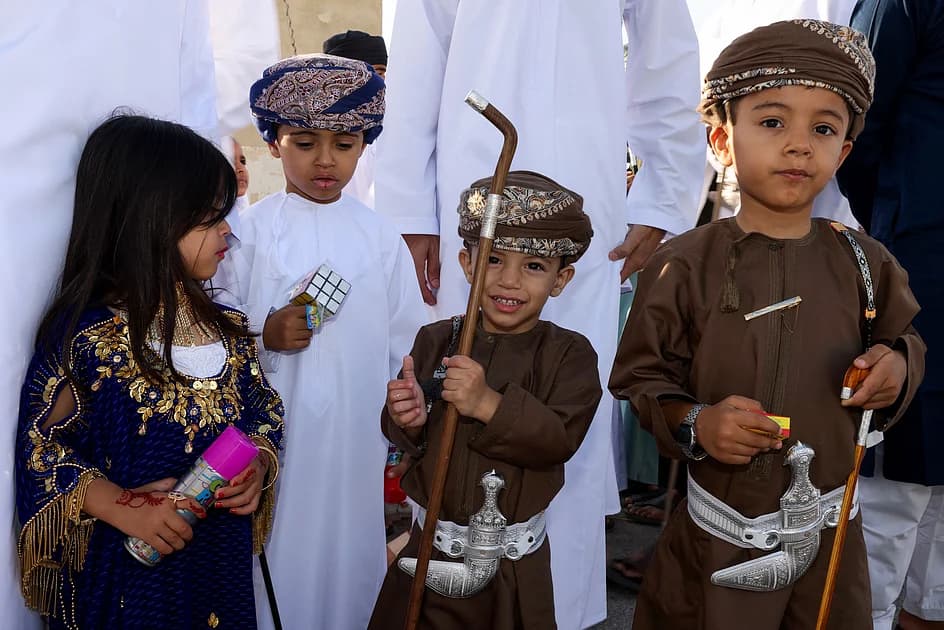
Traditions surrounding Eid Al Fitr vary across different cultures, but the core principles remain the same. In Oman, the holiday is celebrated with special prayers, family gatherings, traditional Omani cuisine, and vibrant cultural performances. The spirit of togetherness and generosity is palpable during this period, fostering a strong sense of community. Understanding this historical and cultural weight is key to understanding the importance of this holiday for Omanis and their desire to make the most of the announced break.
Historically, Eid Al Fitr celebrations have evolved over time. While the core religious observances remain unchanged, the secular aspects, such as travel and entertainment, have become increasingly prominent in modern celebrations. This evolution reflects the changing lifestyles and aspirations of Omani society, where balancing tradition with contemporary experiences is becoming increasingly important.
Oman's Holiday Announcement: Details and Implications
The official announcement of the Eid Al Fitr 2026 holiday dates in Oman came from the relevant government ministry, specifying a 5-day break for both public and private sector employees, along with students. This advance notice is a significant move, allowing individuals and families ample time to plan their holiday activities, whether it's traveling abroad, exploring domestic destinations, or simply spending quality time with loved ones.
The implication of this announcement is far-reaching. It not only impacts the tourism sector, but also retail, transportation, and hospitality industries. Businesses are now anticipating increased demand for their services and are gearing up to cater to the influx of holidaymakers. Early data suggests a notable spike in online searches for travel packages and accommodation options within Oman and popular international destinations.
Furthermore, the announcement highlights the Omani government's commitment to promoting tourism and supporting the local economy. By providing extended holiday periods, they encourage citizens and residents to spend more on leisure and recreational activities, thereby stimulating economic growth. Economists are cautiously optimistic about the potential benefits, though some worry about potential inflationary pressures.
The Anticipated Travel Boom: A Deep Dive
The announcement of the 5-day Eid Al Fitr holiday is almost certain to trigger a significant travel boom, both domestically and internationally. We are seeing early adopters in various travel forums already discussing potential destinations and sharing tips for securing the best deals. The pent-up demand for travel, combined with the extended holiday period, creates a perfect storm for travel agencies, airlines, and hotels. The length of the break is crucial; a longer holiday means people are more willing to undertake longer trips, both within Oman and abroad.
Popular destinations for Omani travelers during Eid Al Fitr typically include neighboring countries in the GCC region, such as the UAE and Saudi Arabia, as well as Southeast Asian countries like Malaysia and Thailand. European destinations are also gaining popularity, particularly among families seeking cooler climates during the hot summer months. The key driver behind this outbound travel is the desire for new experiences, cultural immersion, and relaxation.
However, the travel boom also presents challenges. Airlines and hotels may face capacity constraints, leading to higher prices and potential overcrowding. It is crucial for travelers to plan their trips well in advance and book their flights and accommodation early to avoid disappointment. Anecdotal evidence suggests that those who book early can save significantly on travel costs.
Domestic Tourism: Opportunities and Challenges
While international travel will undoubtedly see a surge, the Eid Al Fitr holiday also presents a golden opportunity for domestic tourism in Oman. The country boasts a diverse range of attractions, from stunning beaches and deserts to majestic mountains and historical sites. This offers Omanis and residents a chance to explore the hidden gems of their own country.
The government has been actively promoting domestic tourism through various initiatives, such as developing new tourist facilities, improving infrastructure, and organizing cultural events. These efforts aim to encourage people to spend their holidays within Oman, thereby supporting local businesses and boosting the economy. We're seeing increased marketing campaigns highlighting Oman's natural beauty and cultural heritage.
However, there are also challenges to overcome. Some popular domestic destinations may face overcrowding, particularly during peak season. It is essential for local authorities to manage visitor flows effectively and ensure that tourism development is sustainable and does not harm the environment. Furthermore, some domestic tourism facilities may not be up to international standards, requiring further investment and improvement.
The Impact on Oman's Economy: A Boost or a Bubble?
The Eid Al Fitr holiday is expected to have a positive impact on Oman's economy, particularly in the tourism, retail, and hospitality sectors. Increased spending on travel, accommodation, dining, and entertainment will generate revenue for businesses and create employment opportunities. The extent of this economic boost, however, depends on several factors, including the number of tourists visiting Oman, their spending habits, and the overall economic climate.
Economists are divided on whether this boost is sustainable or just a temporary bubble. Some argue that the increased spending is merely a short-term phenomenon and that the economy will return to its normal trajectory after the holiday period. Others believe that the holiday can act as a catalyst for sustained economic growth, attracting further investment and promoting Oman as a premier tourist destination.
To maximize the economic benefits of the Eid Al Fitr holiday, the Omani government needs to focus on creating a conducive business environment, attracting foreign investment, and promoting sustainable tourism practices. This includes investing in infrastructure, improving the quality of tourism services, and diversifying the economy beyond oil and gas.
Travel Industry Reactions: Hotels, Airlines, and Tour Operators
The travel industry in Oman is bracing itself for a busy period ahead of the Eid Al Fitr holiday. Hotels, airlines, and tour operators are already reporting a surge in bookings and inquiries, and are gearing up to meet the anticipated demand. Many hotels are offering special Eid Al Fitr packages, including discounted rates, complimentary meals, and family-friendly activities.
Airlines are also increasing their flight capacity to popular destinations, both domestic and international. Some airlines are even adding extra flights to cater to the expected surge in demand. Tour operators are creating new and exciting tour packages that showcase the best of Oman's natural and cultural attractions. Conversations in private Slack channels suggest that many companies are offering incentives to staff to handle the increased workload.
However, the travel industry also faces challenges. Hotels and airlines need to ensure that they have sufficient staff to handle the increased volume of customers. They also need to manage their pricing strategies carefully to avoid alienating potential customers. Tour operators need to ensure that they have adequate transportation and logistical support to handle the increased number of tours.
The Friction: Potential Drawbacks and Concerns
While the prospect of a 5-day Eid Al Fitr holiday is generally met with enthusiasm, it's crucial to acknowledge the potential drawbacks and concerns. The biggest worry is the potential for price gouging by hotels, airlines, and other businesses. With demand soaring, some unscrupulous operators may try to take advantage of the situation by inflating prices, making it more difficult for ordinary people to afford a holiday.
Another concern is the potential for overcrowding at popular tourist destinations. This can lead to a negative experience for visitors, with long queues, congested roads, and limited access to facilities. It is essential for local authorities to manage visitor flows effectively and ensure that tourism development is sustainable and does not harm the environment.
Furthermore, there is the risk of increased traffic congestion in major cities and on highways. This can lead to delays and frustration for travelers, particularly those traveling by road. Public transportation may also be strained, leading to overcrowding and delays. Some experts predict a significant increase in road accidents during the holiday period.
Expert Predictions: What to Expect in 2026
Industry experts are offering various predictions about what to expect during the Eid Al Fitr 2026 holiday in Oman. Travel analysts anticipate a record number of tourists visiting Oman, both domestic and international. They also predict a significant increase in spending on travel, accommodation, dining, and entertainment.
Economists forecast a positive impact on Oman's economy, with increased revenue for businesses and employment opportunities. However, they also caution about potential inflationary pressures and the need for sustainable tourism practices. They stress the importance of diversifying the economy and reducing reliance on oil and gas.
Tourism officials are optimistic about the future of tourism in Oman, highlighting the country's diverse attractions and its commitment to sustainable tourism development. They emphasize the need for collaboration between the public and private sectors to ensure a positive experience for visitors and to maximize the economic benefits of tourism.
Pro Tips for Travelers: Maximizing the Holiday Experience
To maximize your Eid Al Fitr holiday experience in Oman, here are some pro tips:
- Book early: Secure your flights and accommodation well in advance to avoid disappointment and take advantage of early-bird discounts.
- Consider off-peak travel: If possible, travel during the weekdays to avoid the weekend crowds.
- Explore alternative destinations: Instead of visiting the popular tourist hotspots, consider exploring some of Oman's hidden gems.
- Pack appropriately: Dress modestly and respectfully, especially when visiting religious sites. Don't forget sunscreen, a hat, and comfortable shoes.
- Learn some basic Arabic phrases: Knowing a few basic Arabic phrases will enhance your interactions with locals and show your respect for their culture.
- Respect local customs: Be mindful of local customs and traditions, especially during Ramadan. Avoid eating, drinking, or smoking in public during fasting hours.
- Stay hydrated: Drink plenty of water, especially if you are traveling during the hot summer months.
- Be prepared for traffic: Expect increased traffic congestion, especially in major cities and on highways. Plan your journeys accordingly.
- Check visa requirements: Ensure that you have the necessary visa requirements for your destination, if traveling internationally.
- Purchase travel insurance: Protect yourself against unexpected events by purchasing travel insurance.
Eid Al Fitr: Global Comparisons and Trends
Eid Al Fitr celebrations vary across different countries and cultures, but the core principles remain the same: gratitude, reflection, and community. In some countries, Eid Al Fitr is a more subdued affair, focused primarily on religious observances. In others, it is a more festive occasion, with elaborate decorations, vibrant parades, and lively street parties.
Globally, there is a growing trend towards secularization of Eid Al Fitr celebrations, with increased emphasis on travel, entertainment, and commercial activities. This trend reflects the changing lifestyles and aspirations of Muslim societies around the world. However, the religious significance of Eid Al Fitr remains central to the celebrations.
Compared to other GCC countries, Oman has a unique approach to Eid Al Fitr celebrations, blending tradition with modernity. While religious observances are still highly valued, there is also a growing emphasis on promoting tourism and showcasing Oman's cultural heritage. This balanced approach has helped Oman to attract a diverse range of tourists from around the world.
Future Outlook: Beyond 2026
Looking beyond 2026, the future of Eid Al Fitr celebrations in Oman appears bright. The country is well-positioned to capitalize on the growing demand for tourism, thanks to its diverse attractions, its commitment to sustainable tourism development, and its stable political environment. The continued investment in infrastructure, particularly in transport and hospitality, will be crucial for supporting this growth.
The Omani government is also focusing on promoting cultural tourism, showcasing the country's rich heritage and traditions. This will help to attract a different type of tourist, one who is interested in learning about Oman's history and culture. Furthermore, the government is actively encouraging entrepreneurship in the tourism sector, supporting small and medium-sized enterprises (SMEs) that offer unique and authentic experiences.
However, there are also challenges to overcome. Oman needs to diversify its economy beyond oil and gas, and tourism can play a key role in this diversification. The country also needs to address issues such as water scarcity and climate change, which could impact the tourism industry in the long term. The ability to adapt and innovate will be key to ensuring the sustainable growth of tourism in Oman.
FAQ: Your Eid Al Fitr 2026 Questions Answered
Q: When exactly will Eid Al Fitr be in 2026? A: The exact date depends on the sighting of the moon, but it is projected to fall around mid-March 2026. Always check for official announcements closer to the time.
Q: How long is the official holiday in Oman? A: The official announcement specifies a 5-day holiday for both public and private sector employees, as well as students.
Q: What are some popular destinations for Omanis during Eid Al Fitr? A: Popular destinations include neighboring GCC countries like the UAE and Saudi Arabia, as well as Southeast Asian countries like Malaysia and Thailand. Within Oman, Salalah, Nizwa, and Muscat are popular choices.
Q: How can I find the best deals on flights and hotels? A: Book early, be flexible with your travel dates, and compare prices from different airlines and hotels. Consider using travel comparison websites or booking directly with the providers.
Q: What should I wear during Eid Al Fitr celebrations? A: Dress modestly and respectfully, especially when visiting religious sites. Traditional Omani attire is often worn during Eid Al Fitr celebrations.
Conclusion: A Call to Action
The announcement of the Eid Al Fitr 2026 holiday in Oman presents a significant opportunity for both individuals and businesses. For travelers, it's a chance to plan a memorable holiday, whether it's exploring the beauty of Oman or venturing abroad. For businesses, it's an opportunity to capitalize on the increased demand and boost the local economy. However, it's crucial to plan ahead, book early, and be mindful of potential challenges such as price gouging and overcrowding.
The Omani government also has a crucial role to play in ensuring that the Eid Al Fitr holiday is a success. This includes managing visitor flows effectively, promoting sustainable tourism practices, and investing in infrastructure. By working together, the government, businesses, and individuals can ensure that Eid Al Fitr 2026 is a truly memorable and beneficial experience for everyone.
So, start planning now! Whether you're dreaming of a relaxing beach vacation or an adventurous trek through the mountains, make the most of this extended holiday. But remember, plan responsibly and be mindful of the potential impact on the environment and local communities. The future of Omani tourism depends on it.
Deep Dives Similar to This
The US clock change is here, bringing lost sleep, health concerns, and a wave of memes. Explore the debate around Daylight Saving Time and the push for change.
Uncover the viral power of #猫の日 (Cat Day). This deep-dive analyzes the trend's history, psychology, & marketing impact. Plus: Expert tips & future forecasts.
France is experiencing record flooding after 35 days of rain. How will this impact lifestyle, economy, and the future? Is this the new normal for Europe?