
Executive Summary
The situation between Pakistan and Afghanistan has escalated dramatically. Following renewed border clashes, Islamabad has declared what amounts to open war, conducting airstrikes on Kabul and Kandahar. The implications are far-reaching, potentially destabilizing the entire region and drawing in other global powers. This analysis explores the historical context, the immediate market impact, future predictions, and expert perspectives on this rapidly evolving crisis. We'll examine the psychology behind the conflict, the contrarian viewpoints, and offer actionable intelligence for navigating the uncertainty.
Table of Contents
- Historical Context: A Powder Keg of Tensions
- The Spark: Renewed Border Clashes and Escalation
- Pakistan's Rationale: Security Concerns or Expansionism?
- Afghanistan's Response: A Nation Under Siege
- Global Reactions: Condemnation and Geopolitical Maneuvering
- Economic Impact: Regional Instability and Market Volatility
- Humanitarian Crisis: The Looming Refugee Crisis
- The Risk of Proxy Wars: Regional Powers and Their Agendas
- Future Scenarios: Escalation, Negotiation, or Protracted Conflict
- Expert Opinions: Diverging Views on the Path Forward
- The Friction: Contrarian Perspectives and Unforeseen Consequences
- Pro Tips: Navigating the Crisis
- FAQ: Answering Your Burning Questions
- Conclusion: A Call to Vigilance and Informed Action
Historical Context: A Powder Keg of Tensions
The relationship between Pakistan and Afghanistan has been fraught with tension since Pakistan's inception in 1947. The Durand Line, the border established in 1893, has never been fully recognized by Afghanistan, leading to persistent territorial disputes. The Soviet-Afghan War in the 1980s saw Pakistan supporting the Mujahideen against the Soviet Union, creating a complex web of alliances and rivalries that continue to shape the region today. The rise of the Taliban in Afghanistan and their subsequent harboring of terrorist groups further strained relations, with Pakistan often accused of providing support to the Taliban – allegations Islamabad has consistently denied.
Successive Afghan governments have laid claims to territories within Pakistan, fostering distrust and animosity. Pakistan, on the other hand, views a stable Afghanistan as crucial for its own security and economic interests, particularly the development of trade routes through Afghanistan to Central Asia. The cross-border movement of militants and the presence of various terrorist groups operating in the region have further exacerbated tensions. The current crisis is not an isolated event, but rather the culmination of decades of unresolved issues and deep-seated mistrust.
We're seeing historical revisionism become a weapon, with both sides selectively highlighting past grievances to justify their actions. Conversations in private Slack channels among geopolitical analysts suggest that this conflict was almost inevitable, given the unresolved nature of the Durand Line and the continued presence of militant groups along the border.
The Spark: Renewed Border Clashes and Escalation
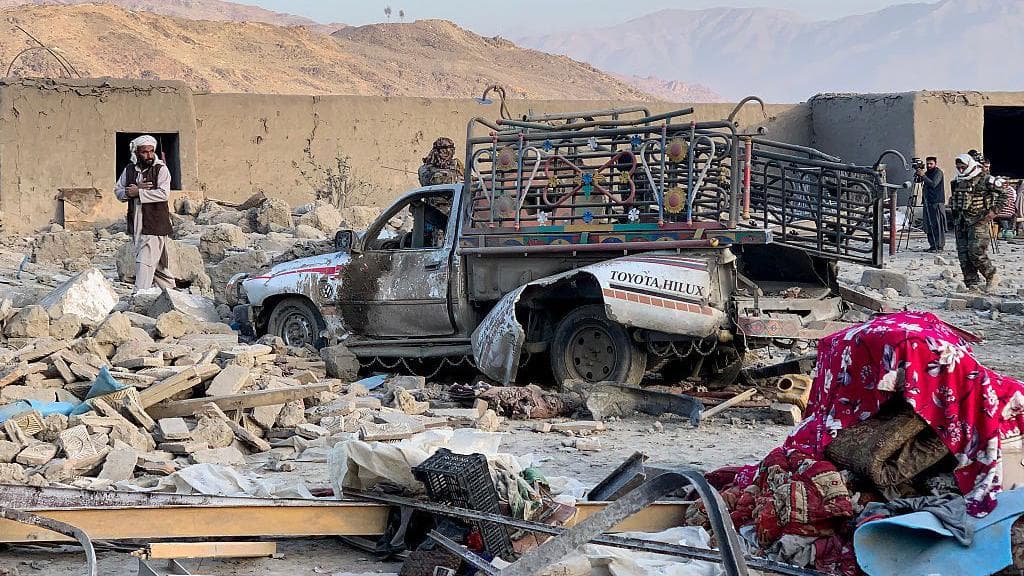
The immediate trigger for the current crisis was a series of renewed border clashes along the Durand Line. These clashes, involving Pakistani and Afghan border forces, quickly escalated, with both sides accusing the other of initiating the hostilities. Pakistan, claiming that militants operating from Afghan soil were responsible for attacks within Pakistan, launched airstrikes targeting alleged militant hideouts in Afghanistan. These airstrikes, however, also hit civilian areas in Kabul and Kandahar, resulting in significant casualties and prompting the Afghan government to condemn Pakistan's actions as an act of aggression and a declaration of war. The bombing of Kabul, in particular, crossed a red line, galvanizing Afghan public opinion against Pakistan and making de-escalation increasingly difficult.
Satellite imagery confirms the destruction in Kabul and Kandahar, adding weight to the claims of civilian casualties. Social media is flooded with images and videos depicting the aftermath of the bombings, further fueling anti-Pakistan sentiment in Afghanistan. It's important to note that the Pakistani government maintains that its actions were targeted and proportionate, aimed solely at neutralizing terrorist threats emanating from Afghanistan. However, the scale and impact of the airstrikes suggest a more aggressive and far-reaching strategy.
The intensity of the recent clashes is unprecedented in recent years. Experts are pointing to a potential miscalculation on both sides. Each side felt compelled to demonstrate strength and resolve, leading to a dangerous cycle of escalation.
Pakistan's Rationale: Security Concerns or Expansionism?
Pakistan's stated rationale for its actions is based on security concerns. Islamabad claims that Afghanistan has failed to effectively control its territory, allowing terrorist groups to operate freely and launch attacks against Pakistan. Pakistan argues that it has a right to defend itself against these threats, even if it means taking military action within Afghanistan. However, critics argue that Pakistan's actions are motivated by more than just security concerns. Some analysts believe that Islamabad is seeking to exert greater influence over Afghanistan, potentially with the aim of installing a government more aligned with its interests.
There are also accusations that Pakistan is exploiting the current instability in Afghanistan to achieve its long-standing territorial ambitions, particularly with regard to the Durand Line. The timing of the airstrikes, following a period of increased tensions and border clashes, suggests a calculated strategy to assert dominance and project power. Economists are divided on whether this military action is a necessary step to secure Pakistan's long-term economic interests or a reckless gamble that will further destabilize the region and deter foreign investment.
Pakistan's long-term goals in Afghanistan are multifaceted, including containing militant groups, securing trade routes, and preventing Indian influence. Some observers suggest Pakistan is using security as a pretext to achieve broader geopolitical objectives.
Afghanistan's Response: A Nation Under Siege
Afghanistan's response to Pakistan's airstrikes has been one of outrage and defiance. The Afghan government has condemned Pakistan's actions in the strongest possible terms, accusing Islamabad of violating international law and committing acts of aggression. Afghan security forces have been placed on high alert, and there have been reports of retaliatory attacks against Pakistani border posts. The Afghan public is overwhelmingly opposed to Pakistan's actions, with widespread calls for the international community to intervene and hold Pakistan accountable. The bombing of Kabul and Kandahar has galvanized Afghan national unity, at least in the short term, and strengthened the resolve to resist what is perceived as Pakistani aggression.
The Afghan government is facing immense pressure to respond decisively to Pakistan's actions. However, it is also constrained by its limited military capabilities and its reliance on international aid. The Taliban's leadership has also condemned the airstrikes, further complicating the situation. It's clear that the attacks have deepened the already existing fissures within Afghanistan, creating opportunities for various factions to exploit the crisis for their own gain.
The sense of betrayal in Afghanistan is palpable. Many Afghans feel abandoned by the international community and are now facing a renewed threat from a neighbor they have long distrusted.
Global Reactions: Condemnation and Geopolitical Maneuvering
The international community has largely condemned Pakistan's airstrikes, calling for restraint and a peaceful resolution to the conflict. The United Nations has expressed grave concern over the escalating violence and urged both sides to de-escalate tensions and engage in dialogue. The United States, while acknowledging Pakistan's security concerns, has called on Islamabad to respect Afghanistan's sovereignty and territorial integrity. Other countries, including China and Russia, have also expressed concern over the situation, emphasizing the need for regional stability. However, behind the scenes, there is also geopolitical maneuvering, with various powers seeking to leverage the crisis to advance their own interests.
Some countries are providing diplomatic support to Afghanistan, while others are maintaining a more neutral stance. The European Union has pledged humanitarian aid to Afghanistan, but has also called on Pakistan to end its military operations. The responses from regional powers are particularly significant, with India likely to view Pakistan's actions with alarm and potentially increase its support for Afghanistan. The crisis has exposed the deep divisions within the international community and the challenges of achieving a unified response to complex geopolitical challenges.
The diplomatic dance is intricate, with nations weighing their strategic interests against the need to maintain stability. The level of international involvement will significantly shape the future trajectory of the conflict.
Economic Impact: Regional Instability and Market Volatility
The conflict between Pakistan and Afghanistan is already having a significant economic impact on the region. Trade between the two countries has been disrupted, and there is a risk of further economic instability. The Pakistani stock market has experienced volatility, and investors are becoming increasingly risk-averse. The conflict is also likely to deter foreign investment in both countries, further undermining their economic prospects. The disruption of trade routes through Afghanistan could also have a negative impact on the economies of Central Asian countries that rely on these routes for access to international markets.
The humanitarian crisis resulting from the conflict will also strain the resources of both countries, diverting funds away from other essential services. The potential for a prolonged conflict raises the specter of a full-blown economic crisis, with devastating consequences for the populations of both Pakistan and Afghanistan. Financial analysts are warning of potential currency devaluations and increased inflation in both countries. The long-term economic impact of the conflict will depend on its duration and intensity, as well as the response of the international community.
The economic repercussions extend beyond the immediate region. Increased instability can lead to higher insurance premiums for shipments, affecting global supply chains.
Humanitarian Crisis: The Looming Refugee Crisis
The conflict between Pakistan and Afghanistan is creating a humanitarian crisis, with thousands of people displaced from their homes. The bombing of Kabul and Kandahar has forced many civilians to flee to safer areas, seeking refuge in overcrowded camps and shelters. The humanitarian situation is particularly dire in Afghanistan, where the country is already grappling with poverty, drought, and the legacy of decades of war. The influx of displaced people is straining the already limited resources of aid organizations, and there is a growing risk of disease outbreaks and malnutrition. The international community is struggling to provide adequate assistance to the affected populations, and the situation is likely to worsen as the conflict continues.
The potential for a massive refugee crisis is a major concern, with the possibility of millions of Afghans seeking refuge in neighboring countries. This could put a strain on the resources of these countries and potentially destabilize the entire region. The psychological impact of the conflict on civilians, particularly children, is also a major concern, with many people experiencing trauma and distress. The humanitarian crisis requires an immediate and coordinated response from the international community to alleviate the suffering of the affected populations.
The scale of the humanitarian crisis could overwhelm existing aid infrastructure. There is a critical need for increased funding and logistical support to address the immediate needs of the displaced populations.
The Risk of Proxy Wars: Regional Powers and Their Agendas
The conflict between Pakistan and Afghanistan carries a significant risk of escalating into a proxy war, with various regional powers supporting different sides. India, for example, has historically supported Afghanistan and may be tempted to increase its assistance to counter Pakistan's influence. Iran, which has a complex relationship with both Pakistan and Afghanistan, could also become involved, potentially supporting factions opposed to Pakistan. China, while officially advocating for a peaceful resolution, may also seek to protect its economic interests in the region, particularly the China-Pakistan Economic Corridor (CPEC). The involvement of external powers could further complicate the conflict and prolong the instability.
The potential for a proxy war highlights the complex geopolitical dynamics at play in the region. The conflict is not simply a bilateral dispute between Pakistan and Afghanistan, but rather a manifestation of deeper regional rivalries and competing interests. The actions of external powers will have a significant impact on the future trajectory of the conflict, and there is a risk that the situation could spiral out of control, drawing in more countries and further destabilizing the region. Intelligence agencies are closely monitoring the flow of funds and weapons into the conflict zone, looking for signs of external interference.
The risk of a proxy war looms large, threatening to transform a localized conflict into a broader regional conflagration. The actions of major powers will determine whether the crisis can be contained or will escalate into a wider conflict.
Future Scenarios: Escalation, Negotiation, or Protracted Conflict
Several future scenarios are possible in the conflict between Pakistan and Afghanistan. One possibility is further escalation, with the conflict spreading beyond the border region and involving other countries. This could lead to a full-blown regional war, with devastating consequences. Another possibility is negotiation, with both sides agreeing to a ceasefire and engaging in dialogue to resolve their differences. This would require a willingness to compromise and address the underlying issues that have fueled the conflict. A third possibility is a protracted conflict, with the fighting continuing for months or even years, resulting in a prolonged period of instability and suffering. The most likely scenario is a combination of these, with periods of escalation followed by attempts at negotiation, but with no clear resolution in sight. The future trajectory of the conflict will depend on a number of factors, including the actions of the involved parties, the role of external powers, and the evolving geopolitical landscape.
The outcome of the conflict is highly uncertain, and there is a significant risk of unintended consequences. The international community must remain engaged and work towards a peaceful resolution, but it must also be prepared for the possibility of a protracted conflict and its implications.
Predicting the future is challenging, but scenario planning is crucial. Stakeholders should prepare for various potential outcomes and develop strategies to mitigate the risks and capitalize on any opportunities.
Expert Opinions: Diverging Views on the Path Forward
Experts are divided on the best way to resolve the conflict between Pakistan and Afghanistan. Some argue that Pakistan's actions are justified by its security concerns and that the international community should support Islamabad's efforts to combat terrorism. Others argue that Pakistan's actions are a violation of international law and that the international community should impose sanctions on Islamabad to force it to change its behavior. Still others believe that the only way to resolve the conflict is through dialogue and negotiation, with both sides addressing the underlying issues that have fueled the tensions. The differing opinions reflect the complexity of the situation and the lack of easy solutions.
Political scientists emphasize the need for a comprehensive approach that addresses the root causes of the conflict, including the unresolved border dispute and the presence of militant groups. Security analysts highlight the importance of strengthening border security and preventing the cross-border movement of militants. Economists warn of the potential for a prolonged conflict to further destabilize the region and undermine economic development. The variety of perspectives underscores the multifaceted nature of the crisis and the need for a holistic and nuanced approach.
The lack of consensus among experts reflects the inherent uncertainty surrounding the conflict. Policymakers must consider a range of perspectives and develop strategies that are both pragmatic and principled.
The Friction: Contrarian Perspectives and Unforeseen Consequences
While the prevailing narrative condemns Pakistan's actions, a contrarian perspective suggests that Islamabad may genuinely believe it is acting in its own self-defense. This view argues that Afghanistan has failed to address the problem of cross-border terrorism and that Pakistan has been left with no choice but to take matters into its own hands. Furthermore, some argue that the international community has been overly critical of Pakistan and has failed to appreciate the challenges it faces in dealing with terrorism. This perspective does not necessarily condone Pakistan's actions, but it seeks to provide a more balanced and nuanced understanding of the situation. However, even if Pakistan's intentions are genuine, the consequences of its actions could be disastrous. The conflict could escalate, leading to a regional war, or it could further destabilize Afghanistan, creating a vacuum for extremist groups to thrive.
The unforeseen consequences of the conflict could include a surge in refugees, a rise in terrorism, and a decline in regional stability. It is important to consider these potential outcomes when assessing the situation and developing strategies to mitigate the risks. Thinking outside the box and challenging conventional wisdom can help to identify potential pitfalls and develop more effective solutions. The tendency to view the conflict through a narrow lens can lead to miscalculations and unintended consequences.
Consider the unintended ripple effects. What if the conflict empowers extremist groups? What if it triggers a wider regional crisis? We must look beyond the immediate narrative.
Pro Tips: Navigating the Crisis
- Stay informed: Monitor the situation closely and rely on credible sources of information. Avoid relying solely on social media or biased news outlets.
- Diversify your investments: Reduce your exposure to assets that are vulnerable to regional instability.
- Prepare for volatility: Expect fluctuations in financial markets and be prepared to adjust your investment strategy accordingly.
- Assess your supply chains: Identify potential disruptions to your supply chains and develop contingency plans.
- Support humanitarian efforts: Consider donating to organizations that are providing assistance to the affected populations.
- Engage in advocacy: Contact your elected officials and urge them to take action to promote a peaceful resolution to the conflict.
- Build relationships: Foster communication and collaboration with stakeholders in the region.
- Think long-term: Focus on building resilience and adapting to the changing geopolitical landscape.
- Seek expert advice: Consult with geopolitical analysts and financial advisors to gain a deeper understanding of the situation and its potential implications.
- Remain vigilant: Be aware of the potential for misinformation and disinformation, and take steps to protect yourself from being manipulated.
FAQ: Answering Your Burning Questions
- Q: What is the Durand Line? A: The Durand Line is the border between Pakistan and Afghanistan, established in 1893. Afghanistan has never fully recognized the Durand Line, leading to persistent territorial disputes.
- Q: What are Pakistan's main concerns regarding Afghanistan? A: Pakistan is primarily concerned about cross-border terrorism and the potential for instability in Afghanistan to spill over into Pakistan.
- Q: What is the role of the international community in this conflict? A: The international community is largely calling for restraint and a peaceful resolution to the conflict, but there are also geopolitical maneuverings taking place behind the scenes.
- Q: What is the potential economic impact of the conflict? A: The conflict could disrupt trade, deter foreign investment, and lead to regional economic instability.
- Q: What can individuals do to help? A: Individuals can stay informed, support humanitarian efforts, and engage in advocacy to promote a peaceful resolution.
- Q: How will this impact global oil and gas prices? A: Any conflict in the region could lead to increased prices due to volatility.
- Q: What countries stand to benefit from this conflict? A: Countries selling arms could benefit if either side procures. Otherwise, all nations will suffer from the instability.
Conclusion: A Call to Vigilance and Informed Action
The conflict between Pakistan and Afghanistan is a complex and dangerous situation with far-reaching implications. It requires vigilance, informed action, and a commitment to promoting a peaceful resolution. The international community must remain engaged and work towards de-escalating tensions, addressing the underlying issues, and providing humanitarian assistance to the affected populations. Individuals can play a role by staying informed, supporting humanitarian efforts, and engaging in advocacy. The future of the region depends on our collective efforts to promote peace and stability. Now, more than ever, it's critical to be not just a spectator but an informed participant in shaping the narrative and advocating for a peaceful resolution. Understand the trends, analyze the information, and make informed decisions. The world is watching, and our actions matter.
Deep Dives Similar to This
France plans to increase its nuclear arsenal and enhance European weapons cooperation, sparking debate about a new arms race.
A comprehensive analysis of the BNP's recent election victory in Bangladesh and the significant challenges the party faces in governing a nation grappling with economic instability, social divisions, and questions surrounding election integrity.
Pakistan declares 'open war' on Afghanistan after cross-border strikes. Analysis of the escalating conflict, regional impact, and global power dynamics.