
Executive Summary
The Panama Canal, a linchpin of global trade, is facing turbulence. Panama's Supreme Court decision to seize control of two key canal ports from a Hong Kong-based operator, Hutchison Ports PPC, has sent ripples through the shipping industry. This move, citing contractual breaches and national interest, raises serious questions about the security and stability of global supply chains that rely on the canal. It's not just about Panama; it's a bellwether for how governments are reassessing foreign investment in strategic infrastructure, and the potential for geopolitical tensions to disrupt commerce. Early data suggests a scramble for alternative routes, with shippers eyeing the Suez Canal and even exploring longer routes around the Cape of Good Hope. Conversations in logistics circles suggest that businesses are bracing for increased costs and potential delays. The big question now is: will this set a precedent, and what are the long-term implications for international trade?
Table of Contents
- Historical Context: The Panama Canal's Significance
- The Supreme Court Ruling: A Detailed Breakdown
- Hutchison Ports PPC: Who Are They and What's at Stake?
- Immediate Market Impact: Shipping Rates and Route Adjustments
- Geopolitical Implications: China, the US, and Panama
- The Friction: Skeptics and Alternative Perspectives
- Expert Analysis: Economic and Legal Ramifications
- Long-Term Predictions: The Future of the Panama Canal
- Cross-Industry Impact: Beyond Shipping
- Pro Tips: Navigating the Panama Canal Uncertainty
- FAQ: Your Burning Questions Answered
- Conclusion: A Call to Action
Historical Context: The Panama Canal's Significance
The Panama Canal, completed in 1914, represents one of the most ambitious and impactful engineering feats in human history. For over a century, it has served as a critical shortcut connecting the Atlantic and Pacific Oceans, drastically reducing shipping times and costs. Before the canal, ships had to navigate the treacherous waters around South America, adding weeks and significant expense to their voyages. The canal's construction was not without its challenges; it was plagued by disease, engineering difficulties, and political maneuvering. The US initially acquired the rights to build the canal after supporting Panama's independence from Colombia. This history of US involvement has shaped the canal's governance and continues to influence its geopolitical significance.
The canal's impact on global trade is undeniable. It facilitates the movement of goods between Asia, the Americas, and Europe, supporting a vast network of industries. From consumer electronics to agricultural products, countless items rely on the Panama Canal for efficient transportation. The canal's strategic importance also makes it a target for geopolitical competition. Control of the canal translates to influence over global trade routes, giving Panama a unique position in international affairs. The current situation with Hutchison Ports PPC highlights the complex interplay between economic interests, national sovereignty, and global security.
The canal has faced many challenges in its history, including droughts, which have affected water levels and restricted the size of ships that can transit. Its importance to global trade means that any disruption has a global impact. Its history continues to shape its present and future. The decision to seize the ports from Hutchison is a major event in the canal's history that could change the shipping industry permanently.
The Supreme Court Ruling: A Detailed Breakdown
The Panamanian Supreme Court's decision to seize the canal ports from Hutchison Ports PPC is rooted in alleged breaches of contract and concerns over national interest. While the full details of the legal proceedings are not yet public, reports suggest the ruling stems from disputes over investment commitments and operational performance. The court has argued that Hutchison Ports PPC failed to meet its obligations under the concession agreement, leading to a detrimental impact on Panama's economy and strategic interests. The ruling has been swift and decisive. The seizure of the ports took place with minimal advance notice, raising concerns about due process and the potential for further legal challenges.
The ruling is unusual in that it allows the government to take control of infrastructure run by a foreign company. It effectively cancels the agreement, which had been in place for many years. The legal justification is centered on the idea that the ports are of strategic value and that their operation must be in Panama's interest. The decision raises questions about investor confidence in Panama and other countries where foreign companies run infrastructure.
The implications of this ruling extend beyond the immediate dispute between Panama and Hutchison Ports PPC. It sets a precedent for how governments can intervene in foreign investment agreements, particularly when strategic assets are involved. This could lead to a reassessment of risk by investors, particularly in emerging markets where legal frameworks may be less predictable. The decision also raises concerns about the potential for political interference in commercial disputes, potentially undermining the rule of law and creating uncertainty for businesses operating in Panama.
Hutchison Ports PPC: Who Are They and What's at Stake?
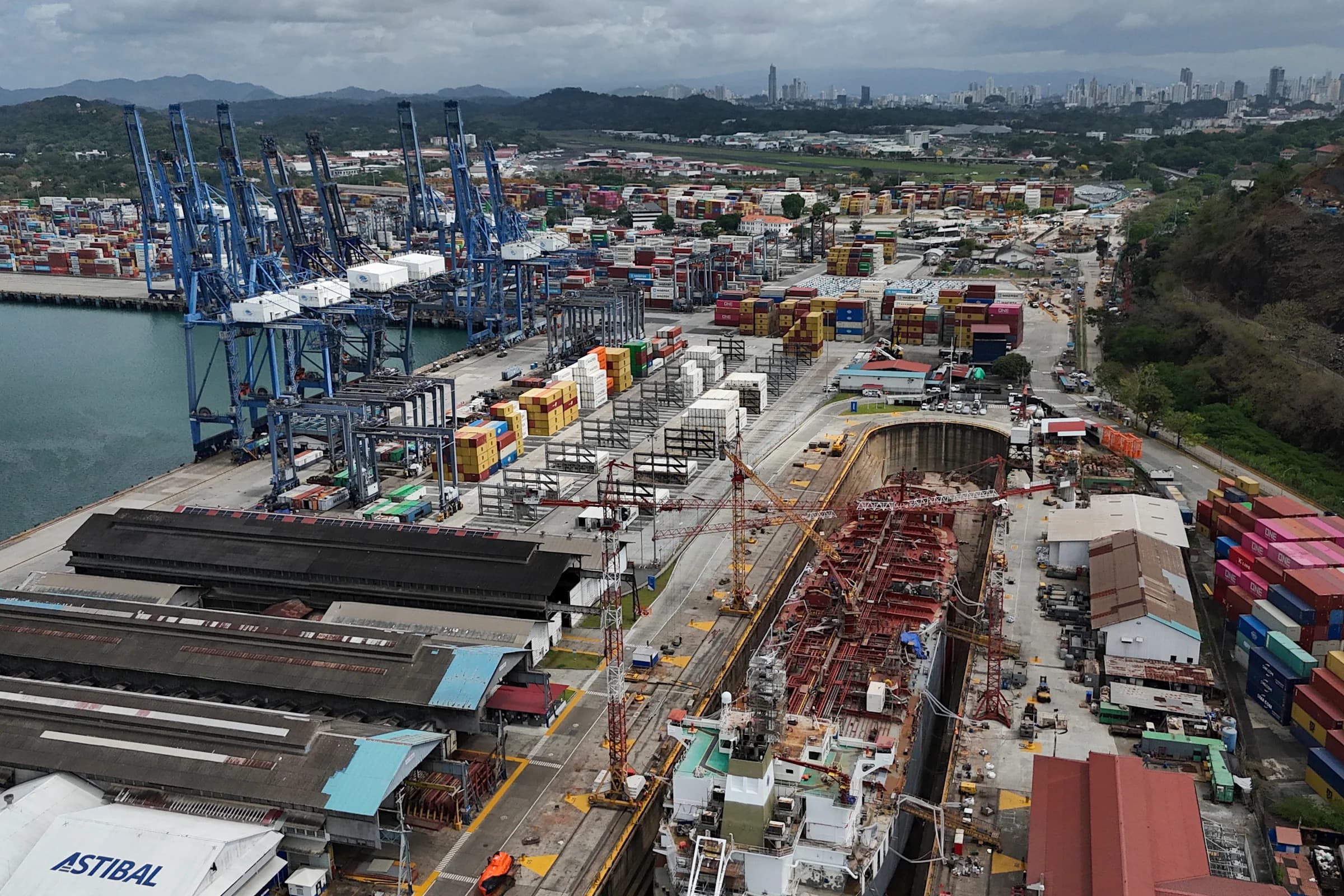
Hutchison Ports PPC is a subsidiary of Hutchison Port Holdings Limited (HPH), a global port operator based in Hong Kong. HPH is one of the largest port operators in the world, with a presence in numerous countries across Asia, Europe, and the Americas. Hutchison Ports PPC has been operating two key ports on the Panama Canal – Balboa and Cristobal – for over two decades. These ports are crucial for handling container traffic passing through the canal, connecting global supply chains. The company has invested significantly in the infrastructure and operations of these ports, contributing to Panama's economic growth. The seizure of these ports represents a major loss for Hutchison Ports PPC, both in terms of revenue and reputation.
Hutchison Ports' parent company is part of the conglomerate CK Hutchison Holdings. It is controlled by the family of Li Ka-shing, one of Hong Kong's wealthiest and most influential businessmen. Because the company is based in Hong Kong, the seizure of the ports can be viewed as a dispute between Panama and China.
Beyond the financial implications for Hutchison Ports PPC, the seizure raises broader concerns about the security of foreign investment in strategic infrastructure. It could deter other companies from investing in similar projects in Panama and other countries, particularly if they perceive a risk of political interference. The case also highlights the importance of clear and enforceable legal frameworks for protecting foreign investments and ensuring fair treatment for businesses operating in foreign countries. The impact could reverberate through the industry, causing firms to re-evaluate political risk.
Immediate Market Impact: Shipping Rates and Route Adjustments
The immediate impact of the port seizure is being felt in the form of rising shipping rates and adjustments to shipping routes. With uncertainty surrounding the operation of the Balboa and Cristobal ports, shipping companies are facing potential delays and disruptions. This has led to a surge in demand for alternative routes, such as the Suez Canal, as well as longer routes around the Cape of Good Hope. The increased demand for these alternatives has, in turn, pushed up shipping rates, adding to the cost of transporting goods globally. We're seeing early adopters in the logistics space exploring alternative routes and smaller ports to mitigate the impact.
Some shippers are diverting traffic to other ports in the region, such as those in Costa Rica and Colombia, but these ports may not have the capacity to handle the increased volume. This is leading to congestion and delays at these alternative ports, further exacerbating the problem. Conversations in private Slack channels suggest that logistics managers are scrambling to secure capacity on alternative routes and are warning clients of potential delays and increased costs.
The situation is particularly challenging for companies that rely on just-in-time inventory management, as delays in shipping can disrupt their supply chains and lead to stockouts. Companies are being forced to re-evaluate their logistics strategies and build in more buffer to account for potential disruptions. This could lead to higher inventory costs and reduced efficiency. The initial shockwaves are rippling through sectors dependent on timely deliveries.
Geopolitical Implications: China, the US, and Panama
The seizure of the Panama Canal ports has significant geopolitical implications, particularly in the context of the ongoing competition between China and the United States. Hutchison Ports PPC is a Hong Kong-based company, and China has a strong economic and political interest in the region. The seizure could be seen as a challenge to China's influence in Latin America, particularly given the US's historical ties to the Panama Canal.
The US has long viewed the Panama Canal as a strategic asset and has historically played a significant role in its governance. The US relinquished control of the canal in 1999, but it continues to have a strong interest in its security and stability. The seizure of the ports could raise concerns in the US about the potential for China to exert undue influence over the canal.
Panama is caught in the middle of this geopolitical tug-of-war. It needs to balance its economic ties with China with its strategic relationship with the United States. The decision to seize the ports could be seen as an attempt by Panama to assert its sovereignty and independence, but it also risks alienating both China and the US. The move could also signal a broader shift in Panama's foreign policy, with implications for its relationships with other countries in the region. This situation requires careful navigation to avoid escalating tensions.
The Friction: Skeptics and Alternative Perspectives
While many observers view the port seizure as a negative development, some argue that it could ultimately benefit Panama. Proponents of this view suggest that the government can now operate the ports more efficiently and in a way that better serves the country's interests. They argue that Hutchison Ports PPC had been prioritizing its own profits over the needs of Panama, and that the seizure will allow the government to re-align the ports' operations with national priorities. Economists are divided on whether this is a sound long-term strategy.
Some skeptics also question the timing of the seizure, suggesting that it may be related to Panama's upcoming elections. They argue that the government may be using the issue to rally support and divert attention from other problems. Others suggest that the seizure is a sign of growing protectionism around the world, with governments increasingly intervening in foreign investment agreements to protect their national interests. This viewpoint emphasizes the potential downsides of such interventions, including reduced investment and increased uncertainty.
Another perspective is that the seizure is a necessary step to ensure the long-term sustainability of the Panama Canal. The canal faces increasing competition from other routes, such as the Suez Canal, as well as the potential for new routes to emerge, such as the Arctic shipping routes. By taking control of the ports, the government may be able to invest in infrastructure and technology that will make the canal more competitive in the long run. This argument focuses on the need for proactive measures to secure the canal's future in a rapidly changing global landscape.
Expert Analysis: Economic and Legal Ramifications
Economists and legal experts are closely analyzing the economic and legal ramifications of the Panama Canal port seizure. From an economic perspective, the seizure could lead to higher shipping costs, reduced trade volumes, and lower economic growth in Panama and the region. The increased uncertainty surrounding the operation of the ports could deter investment and discourage businesses from using the canal. Legal experts are focused on the potential for legal challenges by Hutchison Ports PPC and other investors. The company could argue that the seizure violates international investment treaties and seek compensation for its losses. "This case could set a dangerous precedent for foreign investment globally," warns one international trade lawyer.
The legal battle could be protracted and costly, potentially dragging on for years. The outcome will depend on the specific terms of the concession agreement, as well as the interpretation of international law. The case could also raise questions about the independence of the Panamanian judiciary, particularly if there is evidence of political interference. From a legal standpoint, the case highlights the importance of clear and enforceable contracts, as well as the need for governments to respect the rule of law.
From an economic standpoint, the long-term impact of the seizure will depend on how the government manages the ports going forward. If it can operate them efficiently and transparently, it may be able to mitigate the negative economic consequences. However, if the government is unable to attract new investment and improve the ports' operations, the seizure could lead to a long-term decline in trade volumes and economic activity. The potential for a knock-on effect on Panama's credit rating is also a concern.
Long-Term Predictions: The Future of the Panama Canal
Looking ahead, the future of the Panama Canal is uncertain. The seizure of the ports from Hutchison Ports PPC could have long-lasting consequences for the canal's competitiveness and its role in global trade. One possible scenario is that the government will successfully manage the ports and attract new investment, leading to a rebound in trade volumes. In this scenario, the canal would remain a vital link in global supply chains, supporting economic growth in Panama and the region.
However, another scenario is that the seizure will lead to a decline in the canal's competitiveness, as shipping companies seek alternative routes and investors become wary of doing business in Panama. In this scenario, the canal could become less relevant in global trade, leading to a long-term decline in economic activity. The rise of Arctic shipping routes, as global warming progresses, also presents a long-term challenge to the Panama Canal's dominance.
The long-term future of the canal will depend on a number of factors, including the government's ability to manage the ports effectively, the evolution of global trade patterns, and the emergence of new shipping routes. The canal faces a complex set of challenges, and its future is far from certain. Scenario planning will be critical for stakeholders seeking to navigate the uncertainty.
Cross-Industry Impact: Beyond Shipping
The impact of the Panama Canal port seizure extends far beyond the shipping industry. It affects a wide range of sectors, including manufacturing, agriculture, and consumer goods. Companies that rely on the canal for the transportation of their goods are facing potential delays and increased costs, which could impact their profitability and competitiveness. The disruption to supply chains could also lead to shortages of certain products, impacting consumers.
The agricultural sector is particularly vulnerable, as many agricultural products are transported through the canal. Delays in shipping could lead to spoilage and waste, impacting farmers and consumers alike. The manufacturing sector is also affected, as many manufacturers rely on the canal for the import of raw materials and the export of finished goods.
The consumer goods sector could see higher prices and reduced availability of certain products. The situation underscores the interconnectedness of the global economy and the importance of reliable infrastructure for supporting trade. The insurance industry will also be impacted, as companies seek to cover potential losses from delays and disruptions. This situation is a reminder of the ripple effects that can occur when critical infrastructure is disrupted.
Pro Tips: Navigating the Panama Canal Uncertainty
- Diversify Shipping Routes: Don't rely solely on the Panama Canal. Explore alternative routes, such as the Suez Canal or routes around the Cape of Good Hope, to mitigate the risk of delays and disruptions. Consider using a mix of shipping routes to provide flexibility and resilience.
- Increase Inventory Levels: Build in more buffer to account for potential delays in shipping. This will help you avoid stockouts and ensure that you can meet customer demand.
- Negotiate Flexible Contracts: Negotiate contracts with suppliers and customers that allow for flexibility in delivery times and prices. This will help you manage the risk of disruptions to your supply chain.
- Monitor the Situation Closely: Stay informed about the latest developments regarding the Panama Canal. Monitor shipping rates, port congestion, and any other factors that could impact your business. Use data analytics to track shipments and identify potential problems early on.
- Engage with Industry Experts: Seek advice from logistics experts, trade lawyers, and other professionals who can help you navigate the challenges of the current situation. Attend industry conferences and network with other businesses to share information and best practices.
FAQ: Your Burning Questions Answered
Q: What exactly happened with the Panama Canal ports? A: Panama's Supreme Court seized control of two key canal ports, Balboa and Cristobal, from Hutchison Ports PPC, a Hong Kong-based operator, citing contractual breaches and national interest.
Q: Why did Panama seize the ports? A: The government alleges that Hutchison Ports PPC failed to meet its obligations under the concession agreement, impacting Panama's economy. Details are still emerging, but it centers on investment commitments.
Q: How will this affect global shipping rates? A: Expect shipping rates to increase, especially for routes that rely on the Panama Canal. Alternative routes, like the Suez Canal, will likely see higher demand and prices.
Q: Is this a sign of growing tensions between China and the US? A: It adds another layer to the complex relationship. Hutchison Ports is Hong Kong-based, raising questions about China's influence in the region, especially given the US's historical ties to the Canal.
Q: What should businesses do to prepare for potential disruptions? A: Diversify shipping routes, increase inventory levels, negotiate flexible contracts, closely monitor the situation, and consult with industry experts for guidance.
Conclusion: A Call to Action
The Panama Canal port seizure is more than just a local issue; it's a global wake-up call. It highlights the vulnerability of international trade to geopolitical risks and the importance of diversifying supply chains. Businesses need to take proactive steps to mitigate the potential impact of this disruption, including exploring alternative routes, increasing inventory levels, and negotiating flexible contracts. The time to act is now. Don't wait for the storm to hit – prepare your business for the choppy waters ahead. We urge leaders to review their global supply chain dependencies and proactively model the potential ramifications of future disruptions. The world is watching; be ready to adapt.
Deep Dives Similar to This
China suspends tariffs on Canadian agricultural goods. Is this a golden opportunity or a precarious trap? Expert analysis, risks, and farmer strategies inside.
Spirit Airlines is expected to exit Chapter 11 bankruptcy this year after filing in November 2024. A look at their potential budget comeback.
ASOS co-founder's death in Thailand raises questions about company stability and future. An in-depth analysis of the potential impact on the fashion giant.