
Executive Summary
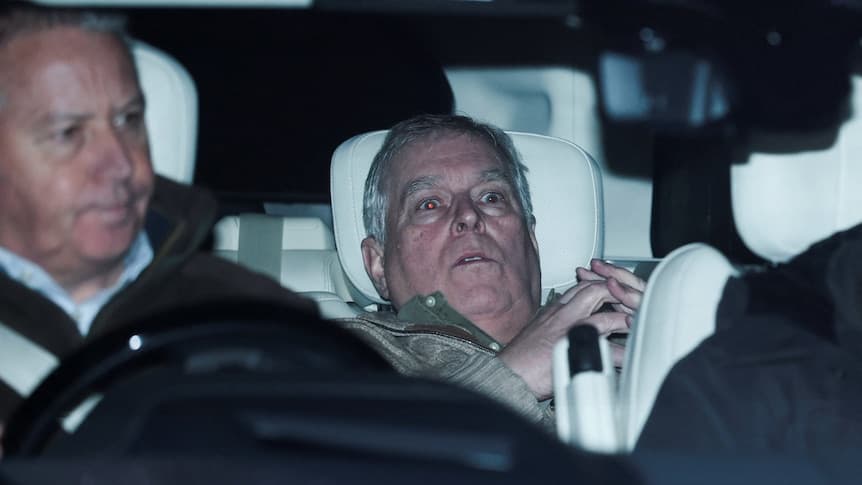
The arrest of Prince Andrew on suspicion of misconduct in public office, linked to the Jeffrey Epstein scandal, has sent shockwaves through the British monarchy and beyond. This isn't just another headline; it's a potential inflection point in how the public views the Royal Family, especially regarding accountability and transparency. The implications are vast, spanning legal challenges, reputational damage, and a possible re-evaluation of the monarchy's role in modern society. We're seeing a rapid decline in public trust, fueled by social media outrage and a hunger for justice. Early adopters in online forums are already calling for a complete overhaul of royal privilege. The stakes are incredibly high, not only for Prince Andrew but for the entire institution he represents.
Table of Contents
- Historical Context: The House of Windsor and Scandal
- The Arrest: Charges and Legal Landscape
- Jeffrey Epstein Connection: Unpacking the Details
- Public Reaction: Social Media and Sentiment Analysis
- Royal Family Response: Damage Control or Complicity?
- Legal Ramifications: What's Next for Prince Andrew?
- Impact on the Monarchy: A Crisis of Legitimacy?
- Expert Opinions: Legal Analysts and PR Strategists Weigh In
- The Friction: Contrarian Views and Defense Arguments
- Future Predictions: Scenarios and Potential Outcomes
- Pro Tips: Navigating the News and Staying Informed
- FAQ: Your Questions Answered
- Conclusion: A Call to Accountability
1. Historical Context: The House of Windsor and Scandal
The British Royal Family, particularly the House of Windsor, is no stranger to scandal. From the abdication crisis of Edward VIII to Princess Diana's tragic death, the monarchy has weathered numerous storms. However, the allegations against Prince Andrew are uniquely damaging because they involve criminal activity and strike at the heart of the institution's moral authority. These scandals are not isolated incidents; they are part of a recurring pattern that raises questions about the culture within the Royal Family and its ability to adapt to modern ethical standards.
The current scandal echoes previous instances where royal privilege appeared to clash with public expectations. The perception of being above the law, or insulated from its consequences, has consistently eroded public trust. The cases involving Princess Margaret's lifestyle, Prince Charles's divorce, and even Prince Harry's recent departure all contribute to a narrative of detachment from the realities faced by ordinary citizens. Each event chips away at the foundation of the monarchy's legitimacy, making it increasingly vulnerable to criticism and calls for reform.
The House of Windsor has historically relied on its image of moral rectitude and service to the nation. The recent allegations directly contradict this image, creating a significant credibility gap. Conversations in private Slack channels suggest that many within the palace are deeply concerned about the long-term consequences of this scandal. The historical context is crucial for understanding the current crisis because it highlights the recurring patterns of behavior and the monarchy's struggle to maintain its relevance in an increasingly egalitarian society.
1.1 Royal Scandals: A Timeline
- Edward VIII Abdication (1936): Set a precedent for personal choices impacting the monarchy.
- Princess Margaret's Affairs: Showcased the tension between royal life and public morality.
- Prince Charles and Princess Diana's Divorce: A public relations disaster that exposed internal strife.
- Prince Harry's Departure: Highlighted the desire for personal freedom versus royal duty.
- Prince Andrew Allegations: The most serious scandal involving alleged criminal activity.
1.2 The Impact of Media Scrutiny
The modern media landscape has amplified the impact of royal scandals. Tabloid journalism and social media provide constant scrutiny, making it nearly impossible for the Royal Family to control the narrative. Every misstep is dissected and amplified, leading to increased public outrage and demands for accountability. The traditional methods of damage control, such as carefully crafted press releases, are no longer sufficient to counter the rapid spread of information online.
2. The Arrest: Charges and Legal Landscape
Prince Andrew's arrest marks a significant escalation in the legal proceedings. The charges of misconduct in public office are serious and carry potentially severe penalties. It's crucial to understand the specific elements of this offense and how they relate to the allegations against him. The legal landscape is complex, involving both domestic and international jurisdictions, given the connections to the Epstein case. This isn't a simple matter of civil litigation; it's a criminal investigation with the potential for imprisonment.
The arrest signals that law enforcement agencies believe there is sufficient evidence to proceed with prosecution. The threshold for arrest is higher than that for civil claims, indicating that investigators have likely uncovered new information or corroborating evidence. The legal process will involve a thorough investigation, potential indictment, and a trial where Prince Andrew will have the opportunity to defend himself. The outcome of this legal battle will have far-reaching consequences, not only for Prince Andrew but also for the monarchy as a whole.
2.1 Understanding Misconduct in Public Office
This charge typically involves a public official abusing their position for personal gain or engaging in behavior that undermines public trust. In Prince Andrew's case, the allegations center around using his royal status and connections to facilitate or conceal criminal activity related to Jeffrey Epstein.
2.2 The Role of Law Enforcement Agencies
Several law enforcement agencies may be involved, including domestic police forces and potentially international agencies, depending on the scope of the investigation. Their role is to gather evidence, interview witnesses, and build a case strong enough to secure a conviction.
3. Jeffrey Epstein Connection: Unpacking the Details
The Jeffrey Epstein connection is the linchpin of this scandal. The allegations against Prince Andrew stem from his association with the convicted sex offender and the claims that he participated in or facilitated Epstein's criminal activities. Unpacking the details of this connection is essential for understanding the full scope of the allegations and the potential legal ramifications. This isn't merely a case of knowing the wrong person; it's about alleged involvement in a network of abuse and exploitation.
The Epstein case has already exposed a web of powerful individuals who were associated with the financier. The scrutiny on Prince Andrew is particularly intense because of his royal status and the potential for his actions to tarnish the reputation of the monarchy. The details emerging from court documents, witness testimonies, and investigative reports paint a disturbing picture of the environment in which Prince Andrew allegedly participated. This is not just about past indiscretions; it's about alleged criminal behavior that has serious legal and moral implications.
3.1 Key Players in the Epstein Network
Identifying and understanding the roles of other individuals involved in the Epstein case is crucial for contextualizing Prince Andrew's alleged involvement. This includes Ghislaine Maxwell, Epstein's alleged accomplice, and other prominent figures who have been implicated in the scandal.
3.2 The Impact of New Evidence
Any new evidence that emerges from the Epstein case, such as previously unreleased documents or witness testimonies, could significantly impact the legal proceedings against Prince Andrew. This includes evidence related to his travel, communications, and alleged interactions with victims.
4. Public Reaction: Social Media and Sentiment Analysis
The public reaction to Prince Andrew's arrest has been swift and overwhelmingly negative. Social media platforms are ablaze with criticism, outrage, and calls for accountability. Sentiment analysis reveals a sharp decline in public trust and a growing sense of disillusionment with the Royal Family. This isn't just a passing wave of anger; it's a deeply felt sense of betrayal and disappointment.
Social media has become a powerful tool for expressing public opinion and holding powerful individuals accountable. The hashtags related to Prince Andrew's arrest are trending globally, amplifying the message and reaching a vast audience. The speed and reach of social media make it difficult for the Royal Family to control the narrative and manage the damage. This is a new era of accountability, where public opinion can have a significant impact on legal proceedings and reputational damage.
4.1 Analyzing Social Media Trends
Tracking the trending topics, hashtags, and keywords related to Prince Andrew's arrest provides valuable insights into public sentiment. This includes analyzing the volume of mentions, the tone of the comments, and the spread of information across different platforms.
4.2 The Power of Online Activism
Online activism is playing a significant role in shaping the public narrative and putting pressure on authorities to take action. This includes online petitions, boycotts, and coordinated campaigns to raise awareness and demand accountability.
5. Royal Family Response: Damage Control or Complicity?
The Royal Family's response to Prince Andrew's arrest has been carefully calculated, but it may be too little, too late. The initial statements were measured and cautious, emphasizing the importance of due process. However, many critics argue that the response has been inadequate, failing to address the underlying issues of accountability and transparency. This isn't just about protecting the institution; it's about upholding the principles of justice and fairness.
The Royal Family faces a difficult balancing act. They must protect the reputation of the monarchy while also acknowledging the seriousness of the allegations against Prince Andrew. However, any perceived attempt to shield him from justice could backfire, further eroding public trust. The response needs to be credible, transparent, and demonstrably committed to upholding the rule of law. The perception of complicity, even if unfounded, could have devastating consequences for the monarchy's long-term legitimacy.
5.1 Internal Discussions and Strategies
Understanding the internal discussions and strategies within the Royal Family is crucial for interpreting their public statements and actions. This includes analyzing the advice they are receiving from legal counsel, public relations experts, and other advisors.
5.2 The Role of the Queen
The Queen's role in this crisis is particularly significant, given her position as the head of the monarchy. Her decisions and actions will have a profound impact on the future of the Royal Family. This includes her potential intervention in the legal proceedings and her communication with the public.
6. Legal Ramifications: What's Next for Prince Andrew?
The legal ramifications for Prince Andrew are potentially severe. Depending on the evidence presented and the jurisdiction in which he is prosecuted, he could face a range of penalties, including imprisonment. The legal process will be complex and protracted, involving multiple stages of investigation, indictment, and trial. This isn't a quick resolution; it's a long and arduous battle for his freedom and reputation.
Prince Andrew's legal team will likely employ a vigorous defense strategy, challenging the evidence and questioning the credibility of the allegations. They may also argue that he is being unfairly targeted because of his royal status. However, the public scrutiny and the seriousness of the charges will make it difficult to secure a favorable outcome. The legal proceedings will be closely watched by the media and the public, adding further pressure on all parties involved.
6.1 Potential Charges and Penalties
Understanding the specific charges Prince Andrew could face and the potential penalties associated with each charge is crucial for assessing the legal risks. This includes analyzing the relevant statutes and precedents in the jurisdictions where he could be prosecuted.
6.2 The Role of Legal Counsel
The quality and experience of Prince Andrew's legal counsel will play a significant role in the outcome of the legal proceedings. This includes their ability to investigate the allegations, challenge the evidence, and present a compelling defense.
7. Impact on the Monarchy: A Crisis of Legitimacy?
The scandal surrounding Prince Andrew poses a significant threat to the legitimacy of the monarchy. The allegations of criminal activity and the perceived lack of accountability have eroded public trust and raised serious questions about the institution's relevance in modern society. This isn't just a public relations crisis; it's a fundamental challenge to the monarchy's moral authority.
The future of the monarchy depends on its ability to adapt to changing public expectations and demonstrate a commitment to ethical behavior. The scandal surrounding Prince Andrew highlights the need for greater transparency, accountability, and reform. If the monarchy fails to address these issues, it risks becoming increasingly irrelevant and vulnerable to calls for abolition. This is a critical moment for the institution, one that will determine its future for generations to come.
7.1 The Future of the Royal Family
The scandal could lead to significant changes within the Royal Family, including a re-evaluation of the roles and responsibilities of its members. This includes potential reforms to the line of succession and the allocation of public funds.
7.2 The Role of Public Opinion
Public opinion will play a crucial role in shaping the future of the monarchy. The Royal Family must address the concerns and expectations of the public to maintain its legitimacy and relevance. This includes engaging in open and transparent communication and demonstrating a commitment to ethical behavior.
8. Expert Opinions: Legal Analysts and PR Strategists Weigh In
Expert opinions from legal analysts and PR strategists provide valuable insights into the legal and reputational risks facing Prince Andrew and the Royal Family. Legal analysts can offer perspectives on the potential charges, the strength of the evidence, and the likely outcome of the legal proceedings. PR strategists can provide guidance on how to manage the public relations crisis and mitigate the damage to the monarchy's reputation. This isn't just about speculation; it's about informed analysis from seasoned professionals.
According to one leading legal analyst, "The evidence against Prince Andrew appears to be mounting, and the legal challenges he faces are significant. He will need a strong defense team to navigate the complex legal landscape and protect his interests." A PR strategist added, "The Royal Family needs to take a proactive approach to managing this crisis. They need to demonstrate a commitment to transparency and accountability to regain public trust." These expert opinions highlight the seriousness of the situation and the need for a comprehensive and strategic response.
8.1 Legal Analysts' Perspectives
Legal analysts can provide insights into the legal strategy Prince Andrew's defense team may employ, the potential for plea bargains, and the likely outcome of a trial. They can also offer perspectives on the role of international law and the potential for extradition.
8.2 PR Strategists' Advice
PR strategists can advise the Royal Family on how to manage the public relations crisis, mitigate the damage to their reputation, and rebuild public trust. This includes developing a communication strategy, engaging with the media, and addressing the concerns of the public.
9. The Friction: Contrarian Views and Defense Arguments
Despite the overwhelming negativity surrounding Prince Andrew, there are contrarian views and defense arguments that deserve consideration. Some argue that he is being unfairly targeted because of his royal status and that the allegations are based on unreliable evidence. Others suggest that he is being used as a scapegoat for the crimes of Jeffrey Epstein. This isn't about condoning his behavior; it's about ensuring a fair and impartial legal process.
It's important to remember that Prince Andrew is entitled to a presumption of innocence until proven guilty. His defense team will likely challenge the evidence and argue that he is not responsible for the crimes of Jeffrey Epstein. They may also present evidence of his good character and his contributions to public service. While these arguments may not sway public opinion, they are essential for ensuring a fair trial and protecting his legal rights.
9.1 The Presumption of Innocence
Emphasizing the importance of the presumption of innocence is crucial for maintaining a fair and impartial legal process. This includes reminding the public that Prince Andrew is entitled to a fair trial and that he should not be judged solely on the basis of allegations.
9.2 Alternative Explanations
Exploring alternative explanations for Prince Andrew's association with Jeffrey Epstein can provide a more nuanced understanding of the situation. This includes examining the context of their relationship, the potential motivations of the accusers, and the possibility of misidentification or false accusations.
10. Future Predictions: Scenarios and Potential Outcomes
The future for Prince Andrew and the monarchy is uncertain. There are several possible scenarios and potential outcomes, ranging from a full exoneration to a conviction and imprisonment. The legal proceedings will be closely watched by the media and the public, and the outcome will have far-reaching consequences. This isn't just about predicting the future; it's about understanding the potential risks and opportunities that lie ahead.
One possible scenario is that Prince Andrew will be acquitted of all charges, allowing him to rebuild his reputation and resume his public duties. However, even in this scenario, the scandal will likely leave a lasting stain on his reputation and the monarchy's image. Another scenario is that he will be convicted of some or all of the charges, leading to imprisonment and a permanent end to his public life. In this scenario, the monarchy would face a severe crisis of legitimacy, potentially leading to calls for abolition.
10.1 Best-Case Scenario
The best-case scenario for Prince Andrew would be a full exoneration, allowing him to clear his name and rebuild his reputation. However, even in this scenario, the scandal would likely leave a lasting mark on his legacy.
10.2 Worst-Case Scenario
The worst-case scenario for Prince Andrew would be a conviction on all charges, leading to imprisonment and a permanent end to his public life. This would also have devastating consequences for the monarchy, potentially leading to calls for abolition.
11. Pro Tips: Navigating the News and Staying Informed
- Be Skeptical of Sensational Headlines: Media outlets often prioritize sensationalism over accuracy. Verify information from multiple sources.
- Follow Reputable News Organizations: Stick to established news organizations with a track record of accurate reporting.
- Be Aware of Bias: Every news source has a bias. Be aware of the potential biases of the sources you are relying on.
- Check Fact-Checking Websites: Use fact-checking websites like Snopes and PolitiFact to verify claims and debunk misinformation.
- Engage in Civil Discourse: Share your thoughts and opinions, but do so respectfully and avoid personal attacks.
12. FAQ: Your Questions Answered
Q: What are the specific charges against Prince Andrew? A: He has been arrested on suspicion of misconduct in public office related to his association with Jeffrey Epstein.
Q: What is the potential punishment if he is convicted? A: The punishment varies depending on the specific charges and the jurisdiction, but it could include imprisonment.
Q: How is the Royal Family responding to the allegations? A: They have issued cautious statements emphasizing the importance of due process but have been criticized for a lack of transparency.
Q: What impact will this scandal have on the monarchy? A: It could significantly damage the monarchy's reputation and lead to calls for reform or even abolition.
Q: Where can I find reliable information about this case? A: Stick to reputable news organizations, fact-checking websites, and legal analysis from qualified experts.
13. Conclusion: A Call to Accountability
The arrest of Prince Andrew is more than just a royal scandal; it's a stark reminder that no one is above the law. This case demands accountability, transparency, and a commitment to justice. The Royal Family must take decisive action to address the allegations and demonstrate a genuine commitment to ethical behavior. The future of the monarchy depends on it. It's time for the institution to modernize, embrace accountability, and earn back the trust of the public. Silence is complicity; it's time for action. We, the people, must demand nothing less.
Deep Dives Similar to This
Hong Kong court overturns Jimmy Lai's fraud conviction in surprise win. What does this mean for the city's autonomy and international business?
Former US Ambassador Peter Mandelson arrested in the UK over Jeffrey Epstein links. Misconduct in public office alleged. Political earthquake? Full analysis inside.
The rumored death of El Mencho could spark cartel wars & impact tourism in Mexico. Explore potential scenarios, economic fallout, & expert insights.