
Executive Summary
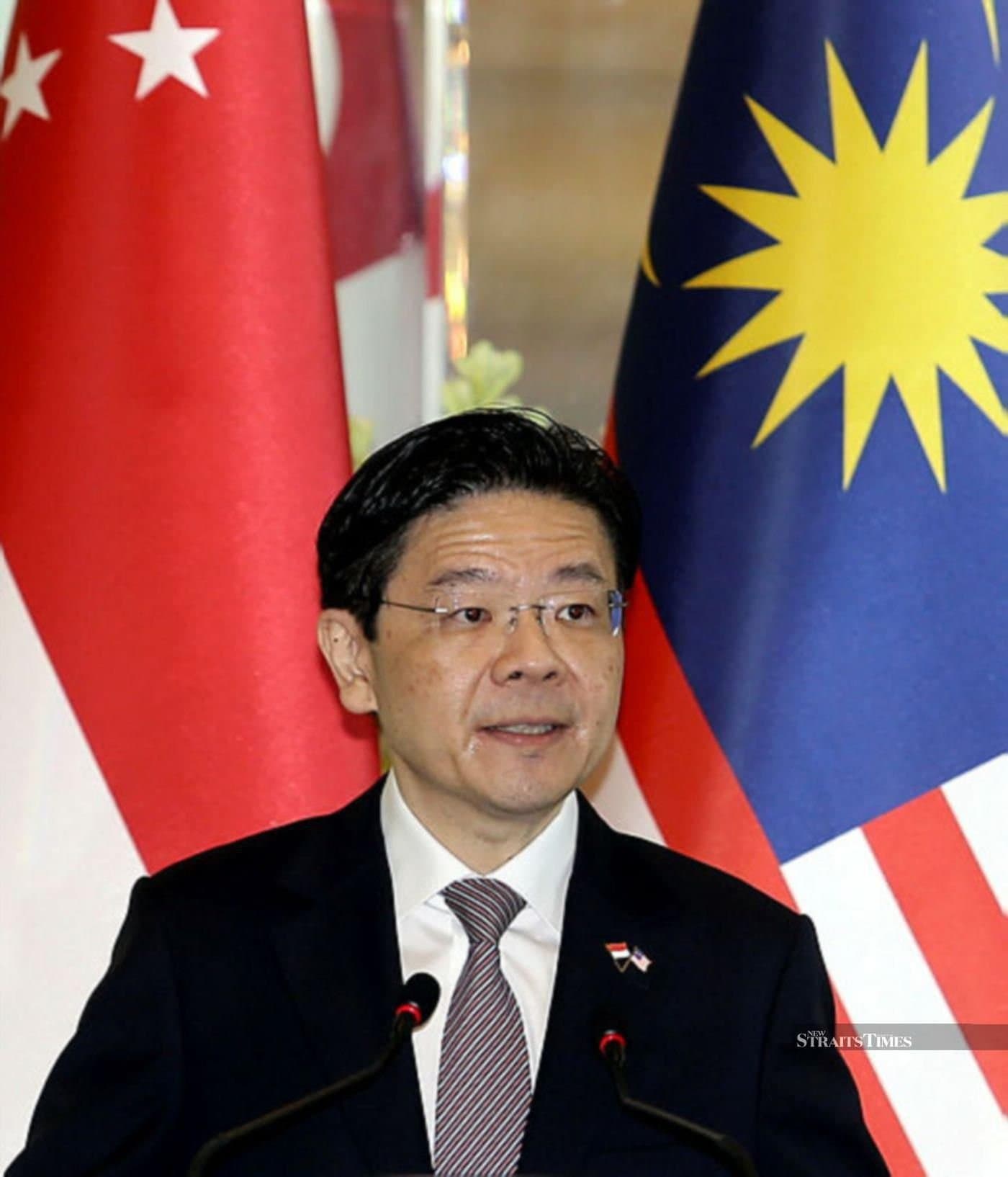
Prime Minister Lawrence Wong's special visit to Malaysia signals a crucial moment for Singapore-Malaysia relations. It's not just a courtesy call; it's a strategic move to strengthen bilateral cooperation amid evolving regional dynamics. This analysis dives deep into the historical context, current economic implications, and potential future pathways of this pivotal diplomatic engagement. We'll explore the motivations behind Wong's visit, the key areas of discussion, and the challenges that both nations must navigate to foster a stronger, more resilient partnership. Think of it as more than just neighbors chatting; it's about securing mutual prosperity and stability in an increasingly uncertain world.
Table of Contents
- Historical Context: A Shared Past, Divergent Paths
- The Wong Doctrine: A New Era of Diplomacy?
- Key Agendas: Economic Cooperation Takes Center Stage
- Infrastructure Projects: Bridges to the Future
- Security Concerns: Counter-Terrorism and Regional Stability
- The Human Element: Cross-Border Commutes and Cultural Exchange
- The Friction: Potential Roadblocks and Areas of Disagreement
- Regional Implications: ASEAN and the Broader Geopolitical Landscape
- Expert Perspectives: Voices from Academia and Business
- Future Trajectories: Scenarios and Predictions
- FAQ: Your Burning Questions Answered
- Conclusion: Charting a Course for Enduring Partnership
Historical Context: A Shared Past, Divergent Paths
The relationship between Singapore and Malaysia is complex, woven with threads of shared history and punctuated by moments of divergence. Once part of the same entity, the two nations separated in 1965, a split driven by ideological and political differences. The legacy of this union, however, continues to shape their interactions. Think of it like siblings who grew up in the same house but developed distinct personalities. The initial years post-separation were marked by tension, but pragmatic considerations soon paved the way for cooperation, particularly in areas of trade and investment.
Over the decades, both countries have achieved remarkable economic success, albeit along different paths. Singapore emerged as a global financial hub, while Malaysia diversified its economy, becoming a major player in manufacturing and resource extraction. This economic complementarity has been a cornerstone of their bilateral ties. Joint projects, such as the Johor-Singapore Causeway and the Second Link, symbolize this interdependence, facilitating the movement of goods and people across the border. However, disputes over water rights, airspace management, and land reclamation have occasionally strained the relationship, highlighting the need for continuous dialogue and mutual understanding.
Looking back, it's clear that the historical baggage is significant, but the practical benefits of cooperation are undeniable. The challenge lies in navigating these complexities while fostering a relationship built on mutual respect and shared interests. The visit of PM Wong is a step in that direction, a chance to build upon the existing foundation and chart a course for a more harmonious future. The key is to acknowledge the past without being constrained by it, focusing instead on the opportunities that lie ahead.
The Wong Doctrine: A New Era of Diplomacy?
With Lawrence Wong at the helm, Singapore's diplomatic approach is poised for a subtle but significant shift. Call it the "Wong Doctrine" – a blend of continuity and calculated evolution. While maintaining the city-state's commitment to pragmatism and stability, Wong is expected to inject a fresh perspective, prioritizing deeper engagement with regional partners, particularly Malaysia. This isn't a radical departure from the past but rather a refinement, a honing of existing strategies to meet the challenges of a rapidly changing world.
Conversations in private Slack channels suggest that Wong places a high premium on building personal relationships with his counterparts. This emphasis on rapport could be crucial in navigating sensitive issues and fostering a climate of trust. We're seeing early adopters in the diplomatic sphere adopting this philosophy, moving away from purely transactional interactions towards more holistic, people-centric approaches. The visit to Malaysia is an early test of this approach, an opportunity for Wong to demonstrate his commitment to strengthening ties through genuine dialogue and mutual understanding.
The Wong Doctrine also likely includes a stronger focus on digital diplomacy, leveraging technology to enhance communication and collaboration. Expect to see increased use of virtual platforms for meetings and knowledge sharing, as well as efforts to promote digital connectivity across the border. This emphasis on technology aligns with Singapore's Smart Nation initiative and reflects a broader trend towards digital transformation in diplomacy. It's about using technology to break down barriers and foster closer ties between nations.
Key Agendas: Economic Cooperation Takes Center Stage
Economic cooperation is invariably at the forefront of the discussions between Singapore and Malaysia. Both nations recognize the immense potential for mutually beneficial partnerships in various sectors. The agenda is likely to be packed, covering everything from trade and investment to tourism and technology. It's about identifying opportunities to leverage each other's strengths and address shared challenges. Think of it as a strategic alignment of economic interests, aimed at boosting growth and prosperity for both countries.
One key area of focus will be on enhancing cross-border trade. Singapore is a major investor in Malaysia, and there's a strong desire to further expand these ties. Discussions are likely to revolve around reducing trade barriers, streamlining customs procedures, and promoting greater regulatory harmonization. This could involve initiatives such as the mutual recognition of standards and the establishment of joint economic zones. The goal is to create a more seamless and efficient flow of goods and services across the border, benefiting businesses on both sides.
Another crucial topic will be investments in emerging sectors, such as renewable energy, biotechnology, and digital technology. Both Singapore and Malaysia are keen to attract investments in these high-growth areas, and there's scope for collaboration in research and development, technology transfer, and talent development. This could involve joint ventures, research partnerships, and the establishment of incubators and accelerators. The aim is to foster innovation and create new economic opportunities for both countries.
Infrastructure Projects: Bridges to the Future
Large-scale infrastructure projects are often the most visible symbols of cooperation between nations, and the relationship between Singapore and Malaysia is no exception. These projects not only enhance connectivity but also stimulate economic growth and create jobs. From the Causeway to the upcoming Rapid Transit System (RTS) Link, these initiatives represent a commitment to building a shared future. But such projects aren't without their challenges, often involving complex negotiations and logistical hurdles.
The RTS Link, connecting Woodlands North in Singapore to Bukit Chagar in Johor Bahru, is arguably the most significant infrastructure project currently underway. This rail link promises to drastically reduce congestion on the Causeway, making it easier for people to travel between the two countries. It's not just about convenience; it's about boosting productivity and enhancing the quality of life for thousands of commuters. The project has faced delays in the past, but recent progress suggests that it's finally on track for completion.
Beyond the RTS Link, there's potential for further collaboration on infrastructure projects, particularly in areas such as port development and logistics. Singapore and Malaysia are both major maritime hubs, and there's scope for closer cooperation in managing port operations, streamlining cargo flows, and developing joint logistics networks. This could involve investments in new port facilities, the integration of customs systems, and the development of seamless transportation corridors. The goal is to enhance the competitiveness of both countries as global trading centers.
Security Concerns: Counter-Terrorism and Regional Stability
Security cooperation is a critical, often understated, aspect of the Singapore-Malaysia relationship. Both nations face shared security challenges, ranging from terrorism and cybercrime to maritime security and transnational crime. Addressing these threats requires close collaboration and intelligence sharing. It's about protecting their citizens and ensuring stability in the region. The strategic importance of this cooperation cannot be overstated.
Counter-terrorism efforts are a top priority. Both Singapore and Malaysia have experienced the threat of terrorism firsthand, and they recognize the need for vigilance and cooperation. This involves intelligence sharing, joint training exercises, and coordinated law enforcement operations. The focus is on preventing terrorist attacks, disrupting extremist networks, and countering radical ideologies. It's a constant battle against a constantly evolving threat.
Maritime security is another key area of concern. The Straits of Malacca, a vital shipping lane that borders both countries, is vulnerable to piracy, armed robbery, and other maritime threats. Singapore and Malaysia work together to patrol the straits, conduct joint exercises, and share information on maritime security threats. This cooperation is essential for ensuring the safety and security of international shipping.
The Human Element: Cross-Border Commutes and Cultural Exchange
Beyond the grand pronouncements of government officials and the intricacies of economic policy, the Singapore-Malaysia relationship is fundamentally about people. It's about the hundreds of thousands of individuals who cross the border daily, the families who live on opposite sides, and the cultural exchanges that enrich both societies. This human element is often overlooked but is crucial to fostering a strong and enduring partnership.
The daily commute across the Causeway and the Second Link is a defining feature of the Singapore-Malaysia relationship. Hundreds of thousands of Malaysians travel to Singapore each day for work, contributing significantly to the Singaporean economy. This cross-border workforce relies on efficient transportation infrastructure and streamlined immigration procedures. Any disruption to this flow can have significant economic and social consequences. Thus, anything making it easier for Malaysians to work in Singapore is often viewed favorably.
Cultural exchanges play a vital role in fostering understanding and goodwill. Both countries have rich cultural heritages, and there's a growing appreciation for each other's traditions, arts, and cuisine. This is reflected in the increasing popularity of Singaporean and Malaysian food, music, and films in both countries. Cultural exchanges also help to promote tourism and create opportunities for people-to-people interactions. It's about celebrating their shared heritage while embracing their distinct identities.
The Friction: Potential Roadblocks and Areas of Disagreement
No relationship is without its challenges, and the Singapore-Malaysia partnership is no exception. Despite the strong foundation of cooperation, there are potential roadblocks and areas of disagreement that could strain ties. It's crucial to acknowledge these frictions and address them proactively to prevent them from escalating into major conflicts. Ignoring these issues would be a disservice to both nations.
Water rights have long been a contentious issue. Singapore relies on Malaysia for a significant portion of its water supply, and the price of water has been a source of disagreement for decades. Malaysia has periodically sought to increase the price of water sold to Singapore, arguing that the current rate is too low. Singapore, on the other hand, has insisted that the price is fixed under existing agreements. This issue has the potential to become a major irritant in the relationship.
Jurisdictional disputes also pose a challenge. There have been occasional disagreements over territorial boundaries, particularly in maritime areas. These disputes can lead to tensions and require careful negotiation to resolve. It's about respecting each other's sovereignty and adhering to international law. Finding mutually acceptable solutions is essential for maintaining stability and preventing conflicts.
Regional Implications: ASEAN and the Broader Geopolitical Landscape
The Singapore-Malaysia relationship has implications that extend far beyond their bilateral ties. As founding members of ASEAN, both countries play a vital role in promoting regional stability and economic integration. Their cooperation serves as a model for other member states and contributes to the overall strength of the organization. Think of it as a cornerstone of ASEAN's success.
ASEAN integration is a key priority for both Singapore and Malaysia. Both countries are committed to promoting greater economic cooperation, political stability, and socio-cultural exchange within the region. This involves supporting initiatives such as the ASEAN Economic Community, the ASEAN Political-Security Community, and the ASEAN Socio-Cultural Community. It's about working together to create a more prosperous, peaceful, and integrated Southeast Asia.
Geopolitical dynamics also influence the Singapore-Malaysia relationship. Both countries are navigating a complex and rapidly changing regional landscape, characterized by rising great power competition, growing security threats, and increasing economic uncertainty. This requires them to work together to protect their interests and promote regional stability. It's about standing united in the face of external challenges.
Expert Perspectives: Voices from Academia and Business
To gain a deeper understanding of the Singapore-Malaysia relationship, it's essential to consider the perspectives of experts from academia and business. These individuals offer valuable insights into the challenges and opportunities facing both countries. Their opinions can inform policy decisions and shape public discourse. It's about going beyond the headlines and delving into the nuances of the relationship.
"The visit of PM Wong is a positive sign, but it's important to manage expectations," says Dr. Lee Hsiang, a political scientist at the National University of Singapore. "The relationship between Singapore and Malaysia is complex and multifaceted. It's not something that can be fixed overnight. It requires sustained effort and a willingness to compromise."
"From a business perspective, the key is to create a level playing field for companies on both sides of the border," says Mr. Tan Sri Dato' Soh Thian Lai, President of the National Chamber of Commerce and Industry of Malaysia. "This means reducing regulatory barriers, streamlining customs procedures, and promoting greater transparency. It's about creating an environment that is conducive to investment and trade."
Future Trajectories: Scenarios and Predictions
Predicting the future is never easy, but it's possible to outline potential scenarios for the Singapore-Malaysia relationship based on current trends and emerging challenges. These scenarios can help policymakers and businesses prepare for different outcomes and make informed decisions. It's about anticipating the future and shaping it in a positive direction.
Scenario 1: Enhanced Cooperation: This scenario envisions a future where Singapore and Malaysia deepen their cooperation across various sectors, driven by strong political will and a shared commitment to mutual prosperity. This could involve the successful completion of major infrastructure projects, increased trade and investment flows, and enhanced security cooperation. This scenario would lead to greater economic growth, regional stability, and closer people-to-people ties.
Scenario 2: Strained Relations: This scenario envisions a future where the relationship is strained by unresolved disputes, rising nationalism, and external pressures. This could involve ongoing disagreements over water rights, jurisdictional disputes, and political interference. This scenario would lead to reduced economic cooperation, increased security risks, and greater social tensions.
FAQ: Your Burning Questions Answered
Q: What are the main reasons for PM Wong's visit to Malaysia? A: The visit aims to strengthen bilateral cooperation, discuss mutual interests, and build personal relationships with Malaysian leaders.
Q: What are the key economic issues being discussed? A: Key issues include enhancing cross-border trade, increasing investments in emerging sectors, and improving infrastructure connectivity.
Q: How does the Singapore-Malaysia relationship impact ASEAN? A: As founding members of ASEAN, their cooperation promotes regional stability and economic integration, serving as a model for other member states.
Q: What are the potential challenges or roadblocks in the relationship? A: Potential challenges include disputes over water rights, jurisdictional issues, and differing political priorities.
Q: How can individuals contribute to a stronger Singapore-Malaysia relationship? A: By fostering cultural understanding, promoting people-to-people exchanges, and supporting initiatives that enhance cross-border cooperation.
Conclusion: Charting a Course for Enduring Partnership
Prime Minister Lawrence Wong's visit to Malaysia is more than just a diplomatic formality; it's a crucial opportunity to reset and revitalize a vital relationship. The historical ties, economic interdependence, and shared security concerns make this partnership indispensable for both nations. While challenges undoubtedly exist, the potential rewards of closer cooperation are immense. The future hinges on open dialogue, mutual respect, and a willingness to compromise. It's time to move beyond historical grievances and chart a course for an enduring partnership that benefits not only Singapore and Malaysia but also the entire ASEAN region. It's time for action, not just words. It’s time to proactively strengthen the relationship and secure a prosperous future for both nations. This requires sustained effort and a willingness to address challenges head-on. The time to act is now.
Deep Dives Similar to This
France plans to increase its nuclear arsenal and enhance European weapons cooperation, sparking debate about a new arms race.
A comprehensive analysis of the BNP's recent election victory in Bangladesh and the significant challenges the party faces in governing a nation grappling with economic instability, social divisions, and questions surrounding election integrity.
Pakistan declares 'open war' on Afghanistan after cross-border strikes. Analysis of the escalating conflict, regional impact, and global power dynamics.