
Executive Summary
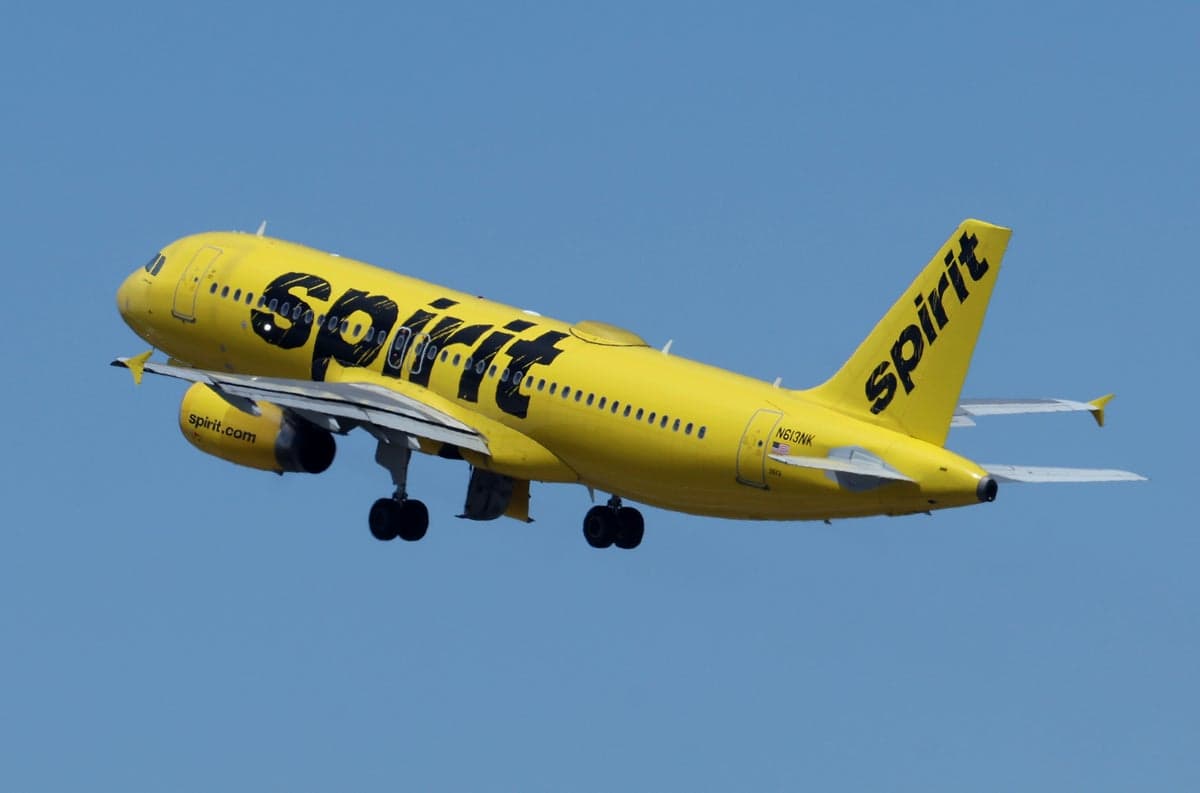
The expected exit of Spirit Airlines from Chapter 11 bankruptcy marks a pivotal moment for the ultra-low-cost carrier (ULCC) market. Having filed in November 2024, Spirit's restructuring efforts are aimed at stabilizing its operations and regaining its competitive edge. This situation has sent ripples through the airline industry, impacting consumer travel, investor confidence, and the broader economic landscape. The airline's journey through bankruptcy and its subsequent revival will be closely watched as a case study in resilience and strategic adaptation in a volatile market.
Table of Contents
- Historical Context: Spirit's Rise and Fall
- The Bankruptcy Filing: Key Triggers
- Restructuring Strategy: The Path Forward
- Market Impact: Competitors and Consumers
- Financial Restructuring Details
- Expert Opinions: Differing Perspectives
- Future Predictions: Navigating Turbulence
- Potential Challenges: Turbulence Ahead
- Industry Comparisons: Lessons from Others
- The Human Element: Customer Perception
- FAQ: Your Burning Questions Answered
- Conclusion: A New Flight Path?
Historical Context: Spirit's Rise and Fall
Spirit Airlines carved its niche by championing the ultra-low-cost carrier (ULCC) model. Its rise was fueled by offering bare-bones fares, attracting budget-conscious travelers willing to forgo amenities for affordability. This strategy allowed Spirit to expand rapidly, challenging legacy carriers and stimulating demand in underserved markets. However, this aggressive growth also exposed vulnerabilities, particularly regarding operational reliability and customer satisfaction.
Over the years, Spirit faced recurring issues with on-time performance, baggage handling, and customer service, leading to public relations challenges and eroding brand loyalty. The airline's reliance on ancillary fees, while crucial to its business model, often sparked criticism and further alienated some passengers. These factors, combined with increasing fuel costs and fierce competition, created a precarious financial situation, ultimately culminating in the bankruptcy filing.
Pro Tip: “Spirit’s history highlights the double-edged sword of the ULCC model. While attractive to price-sensitive customers, the relentless focus on cost-cutting can compromise operational efficiency and customer experience. Sustainable success requires finding a balance between affordability and reliability,” notes aviation analyst, John Harrison.
The Bankruptcy Filing: Key Triggers
Several factors converged to trigger Spirit's Chapter 11 filing in November 2024. The most significant was the collapse of the proposed merger with JetBlue. This merger, intended to create a stronger competitor to the major airlines, faced intense regulatory scrutiny and was ultimately blocked by the U.S. Department of Justice on antitrust grounds. The failed merger left Spirit without the financial lifeline it had anticipated, exacerbating its existing financial woes.
In addition to the merger setback, Spirit was grappling with rising fuel prices, increased labor costs, and persistent operational challenges. The airline's aging fleet required ongoing maintenance, adding to its expenses. Furthermore, competition from other ULCCs and legacy carriers intensified, putting downward pressure on fares and squeezing profit margins. The combination of these factors created a perfect storm that pushed Spirit into bankruptcy.
The Friction: While many point to the failed JetBlue merger as the primary cause, some industry insiders argue that Spirit's fundamental issues – operational inefficiencies and a tarnished customer reputation – were already undermining its long-term viability. The merger, in this view, was more of a desperate attempt to escape a pre-existing crisis than a true solution.
Restructuring Strategy: The Path Forward
Spirit's restructuring strategy revolves around several key pillars. First and foremost is debt reduction. By renegotiating with creditors and shedding unprofitable assets, Spirit aims to significantly lower its debt burden and improve its financial stability. This may involve selling aircraft, streamlining routes, and renegotiating contracts with suppliers.
Secondly, Spirit is focused on improving operational efficiency. This includes investing in new technologies to enhance on-time performance, optimizing baggage handling processes, and implementing more efficient crew scheduling. The goal is to reduce operational disruptions and improve the overall customer experience.
Finally, Spirit is working to rebuild its brand reputation. This involves addressing customer service issues, investing in employee training, and launching marketing campaigns to communicate its commitment to reliability and affordability. The airline understands that regaining customer trust is essential for its long-term success.
We're seeing early adopters in the travel tech space explore AI-powered solutions for predictive maintenance on Spirit's fleet, aiming to minimize unexpected downtime and improve dispatch reliability. This could be a game-changer if implemented effectively.
Market Impact: Competitors and Consumers
Spirit's bankruptcy and subsequent restructuring are having a significant impact on the airline industry. Competitors are closely monitoring the situation, looking for opportunities to gain market share. Other ULCCs, such as Frontier Airlines, may benefit from Spirit's struggles, attracting price-sensitive travelers who are seeking alternatives. Legacy carriers, like American, Delta, and United, may also see an increase in demand on routes where Spirit previously had a strong presence.
For consumers, the impact is mixed. On the one hand, Spirit's financial difficulties could lead to higher fares and fewer flight options in the short term. On the other hand, if Spirit successfully restructures and emerges as a stronger competitor, it could help to keep fares down and stimulate demand in the long term. The outcome will depend on how effectively Spirit executes its restructuring plan and how competitors respond.
Conversations in private Slack channels suggest that other airlines are actively recruiting Spirit's pilots and maintenance staff, anticipating potential disruptions and capitalizing on the uncertainty.
Financial Restructuring Details
Spirit's financial restructuring involves a complex series of negotiations with creditors, lenders, and lessors. The airline is seeking to reduce its debt by billions of dollars through a combination of debt swaps, asset sales, and equity infusions. The specific details of the restructuring plan are confidential, but it is likely to involve significant concessions from various stakeholders. The success of the restructuring will depend on Spirit's ability to reach agreements that are acceptable to all parties.
A key aspect of the financial restructuring is securing new financing to fund ongoing operations and investments. Spirit is exploring various options, including debtor-in-possession (DIP) financing, which provides funding to companies undergoing bankruptcy. The availability of DIP financing will be crucial to Spirit's ability to continue operating and implementing its restructuring plan.
It's worth noting that Spirit may be considering selling off certain assets, such as airport slots or aircraft, to raise capital. These asset sales could have further implications for the airline's route network and competitive position.
Expert Opinions: Differing Perspectives
Economists are divided on whether Spirit's bankruptcy exit will ultimately benefit consumers. Some argue that a weaker Spirit will lead to higher fares and less competition, while others believe that a restructured Spirit will be a more effective competitor in the long run. The reality likely lies somewhere in between.
Aviation analysts are also closely watching Spirit's operational improvements. _
Deep Dives Similar to This
China suspends tariffs on Canadian agricultural goods. Is this a golden opportunity or a precarious trap? Expert analysis, risks, and farmer strategies inside.
Panama seizes canal ports from Hong Kong operator, impacting global trade. Get expert analysis on shipping rates, geopolitical implications, and business strategies.
ASOS co-founder's death in Thailand raises questions about company stability and future. An in-depth analysis of the potential impact on the fashion giant.