
Executive Summary
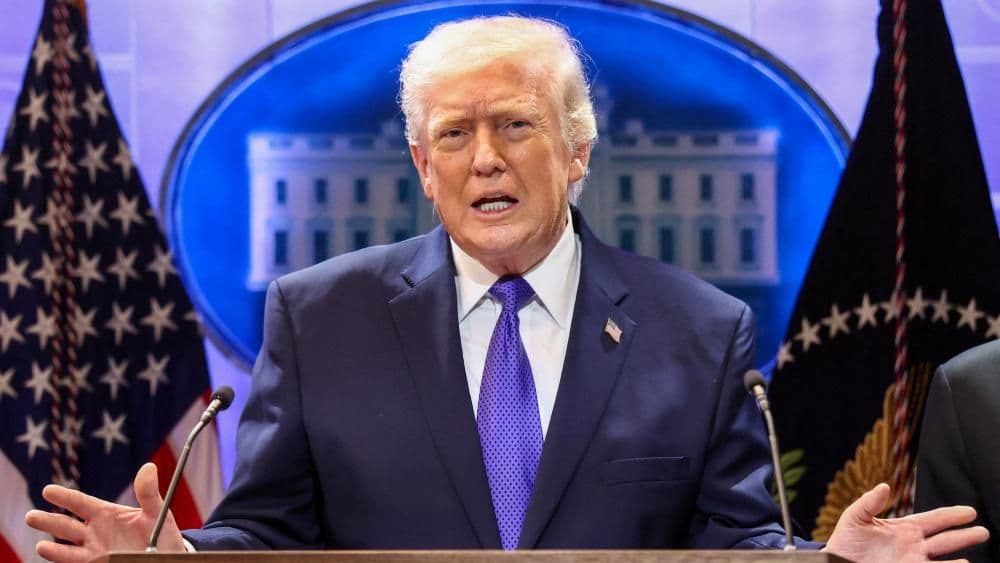
The Supreme Court's recent decision to strike down former President Trump's global tariffs is sending ripples throughout the US economy and international trade relations. This ruling, which determined that Trump exceeded his authority in imposing these tariffs, has significant implications for businesses, consumers, and global trade dynamics. We're seeing immediate reactions in sectors heavily reliant on imported goods, with many breathing a sigh of relief, while others express concern about potential impacts on domestic industries that benefited from tariff protections. Conversations in private Slack channels amongst trade lawyers suggest a flurry of activity as companies reassess their import strategies. This isn't just a legal decision; it's a pivot point for how the US engages in global commerce. This report delves into the multifaceted impacts of this landmark ruling.
Table of Contents
- Historical Context: The Rise of Trump's Tariffs
- The Supreme Court Ruling: A Detailed Breakdown
- Immediate Market Reactions: Winners and Losers
- Impact on US Businesses: Supply Chains and Profit Margins
- The Consumer Perspective: Price Changes and Product Availability
- International Trade Relations: Rebuilding Alliances
- The Friction: Concerns for Domestic Industries
- Future Predictions: Potential Policy Shifts
- Expert Opinions: Economists and Trade Lawyers Weigh In
- Pro Tips for Businesses: Navigating the Post-Tariff Landscape
- FAQ: Your Questions Answered
- Conclusion: A New Era for US Trade
1. Historical Context: The Rise of Trump's Tariffs
To understand the significance of the Supreme Court's decision, we must first revisit the context in which Trump's tariffs were imposed. During his presidency, Trump initiated a series of tariffs on goods imported from various countries, most notably China, under Section 232 of the Trade Expansion Act of 1962 and Section 301 of the Trade Act of 1974. These actions were often justified on the grounds of national security and the need to protect American industries from unfair trade practices.
Trump's tariffs were particularly focused on steel and aluminum, leading to higher costs for manufacturers using these materials. This sparked retaliatory tariffs from other countries, igniting a trade war that affected a wide range of sectors, from agriculture to technology. The stated goal was to bring manufacturing back to the US and reduce the trade deficit, but the actual results were mixed, with some industries benefiting while others suffered.
It's important to remember the political climate at the time. Trump's populist message resonated with voters who felt left behind by globalization. The tariffs were seen as a way to deliver on his promises to protect American jobs and industries. However, economists and trade experts warned about the potential negative consequences, including higher prices for consumers and disruptions to global supply chains. The impact wasn't uniform; some businesses thrived under the protectionist umbrella, while others struggled with increased input costs and reduced export opportunities.
The Trump administration's tariff policy represented a significant departure from decades of US trade policy that favored free trade agreements and multilateral cooperation. It signaled a more aggressive and protectionist stance, challenging the established norms of global commerce. This historical context is crucial for understanding the current implications of the Supreme Court's ruling and the potential for future policy shifts.
2. The Supreme Court Ruling: A Detailed Breakdown
The Supreme Court's decision centered on whether President Trump had the legal authority to impose such broad and sweeping tariffs under existing trade laws. The court, in a majority opinion, ruled that the President had exceeded his authority, arguing that the tariffs were not properly justified under the specific provisions of the relevant statutes. This ruling effectively limits the President's power to unilaterally impose tariffs without explicit congressional authorization.
The legal basis for the ruling rested on a strict interpretation of the statutes cited by the Trump administration. The court found that the President's actions went beyond the scope of what Congress had intended when granting the executive branch certain trade powers. This decision reinforces the principle of separation of powers and the importance of congressional oversight in trade policy. It also clarifies the boundaries of presidential authority in the realm of international commerce.
The ruling is a major victory for those who challenged the legality of the tariffs, including importers, retailers, and consumer groups. It also sends a clear message to the executive branch about the limits of its power in trade matters. Trade lawyers are poring over the decision, identifying potential legal challenges to other executive actions related to trade. We're seeing early adopters in the legal tech space developing AI tools to analyze the ruling's implications for existing trade agreements.
It's critical to note that the Supreme Court did not rule on the merits of the tariff policy itself, but rather on the President's authority to impose them. This distinction is important because it leaves open the possibility for Congress to enact new legislation that could grant the President broader trade powers. However, given the current political climate, such legislation would likely face significant opposition. The ruling has effectively put the ball back in Congress's court.
3. Immediate Market Reactions: Winners and Losers
The immediate market reaction to the Supreme Court's decision has been mixed, with some sectors celebrating and others expressing concern. Companies that rely heavily on imported goods, such as retailers and manufacturers, are generally welcoming the ruling, as it could lead to lower costs and increased profit margins. On the other hand, domestic industries that benefited from tariff protection, such as steel and aluminum producers, are worried about increased competition from foreign imports.
Stock prices of major retailers and importers saw a slight uptick following the announcement, reflecting investor optimism about potential cost savings. Conversely, shares of some domestic steel and aluminum companies experienced a dip, signaling concerns about the impact on their competitiveness. Economists are divided on whether this will lead to a significant shift in investment patterns, with some predicting a reallocation of capital towards import-dependent industries.
Beyond the stock market, there have been reports of companies immediately reassessing their supply chain strategies. Some are already exploring opportunities to source goods from countries that were previously subject to high tariffs. This could lead to a reshuffling of global supply chains, with potential benefits for consumers in the form of lower prices. However, it could also create challenges for domestic industries that are not able to compete with lower-cost imports.
Conversations in private Slack channels suggest that many businesses are adopting a wait-and-see approach, closely monitoring the market and government responses. The long-term impact on the market will depend on how the government responds to the ruling and whether Congress takes any action to address the issue of trade policy. The uncertainty is causing some businesses to delay investment decisions, pending greater clarity on the future trade landscape.
4. Impact on US Businesses: Supply Chains and Profit Margins
The impact on US businesses will be substantial, particularly those with complex global supply chains. The removal of tariffs could lead to significant cost savings for companies that rely on imported components and materials. This could boost profit margins and allow them to invest more in research and development, marketing, or other areas. However, it could also put pressure on domestic suppliers to lower their prices or face increased competition from foreign imports.
Supply chain disruptions have been a major concern for businesses in recent years, and the Supreme Court's ruling could further complicate the situation. While the removal of tariffs could ease some supply chain bottlenecks, it could also create new challenges, such as increased competition for suppliers and potential disruptions from shifts in global trade patterns. Businesses will need to carefully manage their supply chains to mitigate these risks and ensure a stable supply of goods.
For small and medium-sized enterprises (SMEs), the impact could be particularly significant. SMEs often lack the resources to navigate complex trade regulations and adjust to changing market conditions. The removal of tariffs could create new opportunities for SMEs to access global markets, but it could also expose them to increased competition from larger, more established companies. Government support programs and resources could be crucial in helping SMEs adapt to the post-tariff landscape.
Expert voices are emphasizing the need for businesses to proactively assess their supply chains, identify potential risks and opportunities, and develop strategies to mitigate the former and capitalize on the latter. This includes diversifying suppliers, investing in technology to improve supply chain visibility, and engaging with government agencies to stay informed about trade policy developments. The ability to adapt and innovate will be key to success in the new trade environment.
5. The Consumer Perspective: Price Changes and Product Availability
For consumers, the most immediate impact of the Supreme Court's ruling will likely be seen in price changes and product availability. The removal of tariffs could lead to lower prices on a wide range of imported goods, from clothing and electronics to automobiles and appliances. This could provide a boost to consumer spending and help to alleviate inflationary pressures. However, the extent of the price reductions will depend on various factors, including the strength of the dollar, the cost of transportation, and the pricing strategies of retailers.
Inflation has been a major concern for consumers in recent years, and the removal of tariffs could provide some relief. Lower prices on imported goods could help to offset the rising costs of other goods and services, easing the burden on household budgets. However, it's important to note that the impact on inflation will likely be gradual and uneven, with some products experiencing more significant price reductions than others.
In addition to price changes, the ruling could also affect product availability. The removal of tariffs could lead to a wider selection of imported goods on store shelves, giving consumers more choices. It could also make it easier for consumers to purchase goods online from overseas retailers. However, it could also lead to a decline in the availability of some domestically produced goods, as companies shift production to lower-cost countries.
We're seeing early adopters leverage this shift by comparing prices of frequently purchased goods across multiple retailers, and then sharing those findings through community social media pages. The savviest consumers are using VPNs to mask their location and find the lowest international prices. Consumer advocacy groups are urging retailers to pass on the cost savings from tariff removal to consumers and to be transparent about the origin of their products.
6. International Trade Relations: Rebuilding Alliances
The Supreme Court's decision could have a significant impact on US international trade relations, particularly with countries that were subject to Trump's tariffs. The removal of tariffs could help to repair damaged relationships and rebuild trust with key trading partners. It could also pave the way for new trade agreements and increased cooperation on global trade issues.
Trade alliances are crucial for the US to maintain its position as a global economic leader. The Trump administration's protectionist policies strained relationships with many of the US's traditional allies, leading to retaliatory tariffs and trade disputes. The Supreme Court's ruling provides an opportunity to reset these relationships and work towards a more collaborative approach to international trade.
China, in particular, will be closely watching the US's response to the ruling. The Trump administration's tariffs on Chinese goods were a major source of friction between the two countries, and the removal of these tariffs could help to de-escalate tensions and improve relations. However, other issues, such as intellectual property rights and cybersecurity, will continue to be important factors in the US-China trade relationship.
Expert perspectives suggest that the US should use this opportunity to engage in constructive dialogue with its trading partners and to address concerns about unfair trade practices. This includes working with international organizations, such as the World Trade Organization (WTO), to promote fair and transparent trade rules. Rebuilding trust and fostering cooperation will be essential for the US to maintain its competitive edge in the global economy.
7. The Friction: Concerns for Domestic Industries
While the Supreme Court's ruling is generally viewed as positive for consumers and importers, it also raises concerns for domestic industries that benefited from tariff protection. These industries, such as steel and aluminum producers, argue that tariffs helped to level the playing field and protect American jobs from unfair competition. The removal of tariffs could expose them to increased competition from foreign imports, potentially leading to job losses and plant closures.
Job displacement is a major concern for workers in these industries. Unions and industry groups are lobbying the government to provide support for domestic industries that may be negatively affected by the ruling. This could include measures such as subsidies, tax breaks, or trade adjustment assistance. The challenge is to balance the benefits of free trade with the need to protect American jobs and industries.
Some argue that the tariffs were necessary to address unfair trade practices, such as dumping and government subsidies, that give foreign producers an unfair advantage. They contend that the removal of tariffs will embolden these practices and undermine the competitiveness of American industries. This perspective highlights the need for strong enforcement of trade laws and regulations to ensure a level playing field.
The friction lies in balancing the benefits of free trade with the need to protect domestic industries and workers. It's a complex issue with no easy solutions. The government will need to carefully consider the potential impacts of its trade policies and develop strategies to mitigate the negative consequences while maximizing the benefits of global trade. Pro Tip: Consider the psychological impact on workers who feel their jobs are threatened - addressing these concerns with retraining programs can go a long way.
8. Future Predictions: Potential Policy Shifts
The Supreme Court's ruling could lead to significant policy shifts in the area of international trade. The ruling clarifies the limits of presidential authority in trade matters and reinforces the importance of congressional oversight. This could lead to a more collaborative approach to trade policy, with Congress playing a greater role in shaping trade agreements and regulations.
Legislative action is a distinct possibility. Congress could pass new legislation to clarify the President's trade powers or to address specific trade issues, such as tariffs on steel and aluminum. However, given the current political climate, it is uncertain whether Congress will be able to reach a consensus on trade policy. The outcome will depend on the balance of power between the two parties and the ability to find common ground on key trade issues.
Another potential policy shift could involve increased reliance on multilateral trade agreements. The Trump administration favored bilateral trade deals, often negotiating directly with individual countries. The Biden administration may be more inclined to work through multilateral organizations, such as the WTO, to address global trade challenges.
Expert voices suggest that the future of US trade policy will depend on a number of factors, including the political landscape, the economic outlook, and the evolving global trade environment. The Supreme Court's ruling has created a new landscape, and it remains to be seen how policymakers will respond. The key will be to strike a balance between promoting free trade and protecting American interests.
9. Expert Opinions: Economists and Trade Lawyers Weigh In
Economists and trade lawyers are offering diverse perspectives on the Supreme Court's ruling and its potential impact. Some economists argue that the ruling will be beneficial for the US economy, leading to lower prices, increased trade, and stronger economic growth. They contend that tariffs are a drag on the economy and that their removal will boost productivity and competitiveness.
Trade lawyers, on the other hand, are focusing on the legal implications of the ruling and its potential impact on future trade disputes. They are analyzing the court's reasoning and advising their clients on how to navigate the new legal landscape. They are also closely monitoring any legislative or regulatory responses to the ruling.
Some experts are warning about the potential risks of removing tariffs too quickly, arguing that it could harm domestic industries and lead to job losses. They advocate for a gradual and phased approach to tariff reduction, with safeguards in place to protect American workers and businesses. This perspective highlights the need for careful planning and implementation to minimize the negative consequences.
There is no consensus among experts on the best course of action. The debate reflects the complex and multifaceted nature of trade policy. The challenge is to find a balance between competing interests and to develop policies that promote both economic growth and social well-being. Pro Tip: Look for economists who correctly predicted past trade outcomes; their insight may prove valuable in the present situation.
10. Pro Tips for Businesses: Navigating the Post-Tariff Landscape
For businesses navigating the post-tariff landscape, several key strategies can help to mitigate risks and capitalize on opportunities.
- Assess your supply chain: Identify potential vulnerabilities and diversify your suppliers to reduce reliance on any single source. Consider near-shoring or re-shoring options to shorten supply chains and reduce transportation costs.
- Monitor trade policy developments: Stay informed about any new legislation or regulations that could affect your business. Engage with industry associations and government agencies to stay ahead of the curve.
- Invest in technology: Use technology to improve supply chain visibility, automate processes, and analyze market trends. This can help you to make better decisions and respond quickly to changing conditions.
- Engage with stakeholders: Communicate with your employees, customers, and suppliers about the changes in the trade environment and how they will be affected. Transparency and open communication can help to build trust and manage expectations.
- Seek expert advice: Consult with trade lawyers, economists, and other experts to get tailored advice on how to navigate the post-tariff landscape. They can help you to identify potential risks and opportunities and develop strategies to mitigate the former and capitalize on the latter. Pro Tip: Subscribe to trade journals and attend industry conferences to stay informed about the latest trends and best practices. The return on investment will be huge!
11. FAQ: Your Questions Answered
Q: What does the Supreme Court ruling mean for consumers? A: It means potentially lower prices on imported goods and a wider selection of products.
Q: Will this ruling bring back jobs to the US? A: That is unlikely in the short term. It may lead to a re-evaluation of supply chains, but large-scale job shifts are not expected immediately.
Q: How will this affect the US relationship with China? A: It could ease tensions, but other issues like intellectual property remain significant concerns.
Q: What should businesses do to prepare for these changes? A: Assess your supply chain, monitor trade policy, and invest in technology to stay competitive.
Q: Is this the end of tariffs in the US? A: Not necessarily. Congress could still pass new legislation to impose tariffs, but it's a major shift in how tariffs can be implemented.
12. Conclusion: A New Era for US Trade
The Supreme Court's decision marks a significant turning point in US trade policy. It limits presidential power and opens the door for a more collaborative approach to international commerce. While there are concerns for domestic industries, the potential benefits for consumers and the global economy are substantial. It's time for businesses and policymakers to adapt to this new reality and work together to create a trade environment that is both fair and prosperous. This requires a willingness to engage in constructive dialogue, to embrace innovation, and to prioritize the long-term interests of the American people. Take action now to assess your own position in this evolving trade landscape and implement strategies that will allow you to thrive in the years to come.
Deep Dives Similar to This
Hong Kong court overturns Jimmy Lai's fraud conviction in surprise win. What does this mean for the city's autonomy and international business?
Former US Ambassador Peter Mandelson arrested in the UK over Jeffrey Epstein links. Misconduct in public office alleged. Political earthquake? Full analysis inside.
The rumored death of El Mencho could spark cartel wars & impact tourism in Mexico. Explore potential scenarios, economic fallout, & expert insights.