
Executive Summary
The recent train derailment in Switzerland has sent ripples of unease through the travel industry. It's not just about delayed connections; it's reignited long-standing anxieties about rail safety, especially in regions celebrated for their precision and reliability. This report examines the incident's immediate impact, delves into the historical context of Swiss rail safety, forecasts potential long-term consequences for tourism and transportation, and addresses crucial FAQs for concerned travelers. We'll cut through the noise to provide a clear, data-driven analysis, offering actionable insights for stakeholders and travelers alike.
Table of Contents
- Historical Context: Swiss Rail Safety
- The Derailment: What We Know So Far
- Immediate Impact: Travel Disruptions and Delays
- Public Reaction: Fear, Anxiety, and Scrutiny
- Economic Fallout: Tourism and Trade
- Long-Term Consequences: Infrastructure Investment and Policy Changes
- The Friction: Skepticism and Alternative Transportation
- Expert Opinions: Pro Tips for Travelers
- Future Predictions: The Trajectory of Swiss Rail
- FAQ: Addressing Traveler Concerns
- Conclusion: Rebuilding Trust and Ensuring Safety
Historical Context: Swiss Rail Safety
Switzerland has long held a reputation for its impeccably maintained and punctual railway system. This image is deeply ingrained in the country's identity and its appeal to tourists and businesses alike. Historically, Swiss rail has been a point of national pride, symbolizing efficiency, precision, and reliability. The country has invested heavily in its rail infrastructure over decades, implementing stringent safety regulations and employing cutting-edge technology. This commitment has resulted in a consistently low accident rate compared to many other European nations.
However, it's crucial to acknowledge that even the most advanced systems are not immune to incidents. Past accidents, while relatively infrequent, serve as stark reminders of the inherent risks associated with rail travel. These events have prompted thorough investigations and subsequent improvements to safety protocols. We're seeing that Switzerland's dedication to safety is not just a claim, but a constantly evolving process driven by past learnings.
Switzerland’s railway network, while extensive and well-maintained, also navigates challenging terrains. Mountainous regions introduce complexities such as steep gradients, sharp curves, and the risk of landslides or avalanches. These geographical factors demand rigorous engineering and constant monitoring to ensure the safe operation of trains. This has led to the development of specialized technologies and practices adapted to the unique conditions of the Swiss Alps. While these measures have been largely successful, they also require ongoing investment and adaptation.
The Derailment: What We Know So Far
Details surrounding the recent derailment are still emerging, but preliminary reports suggest that [Insert factual summary of the derailment – cause, location, number of injuries, etc. Be precise and cite hypothetical sources where necessary. For example: “the derailment occurred near Andermatt due to a suspected landslide triggered by heavy rainfall. Initial reports indicate X number of injuries and Y number of passengers involved.”]. Investigations are underway to determine the precise cause, with authorities focusing on [mention possible causes being investigated, e.g., track conditions, equipment malfunction, human error].
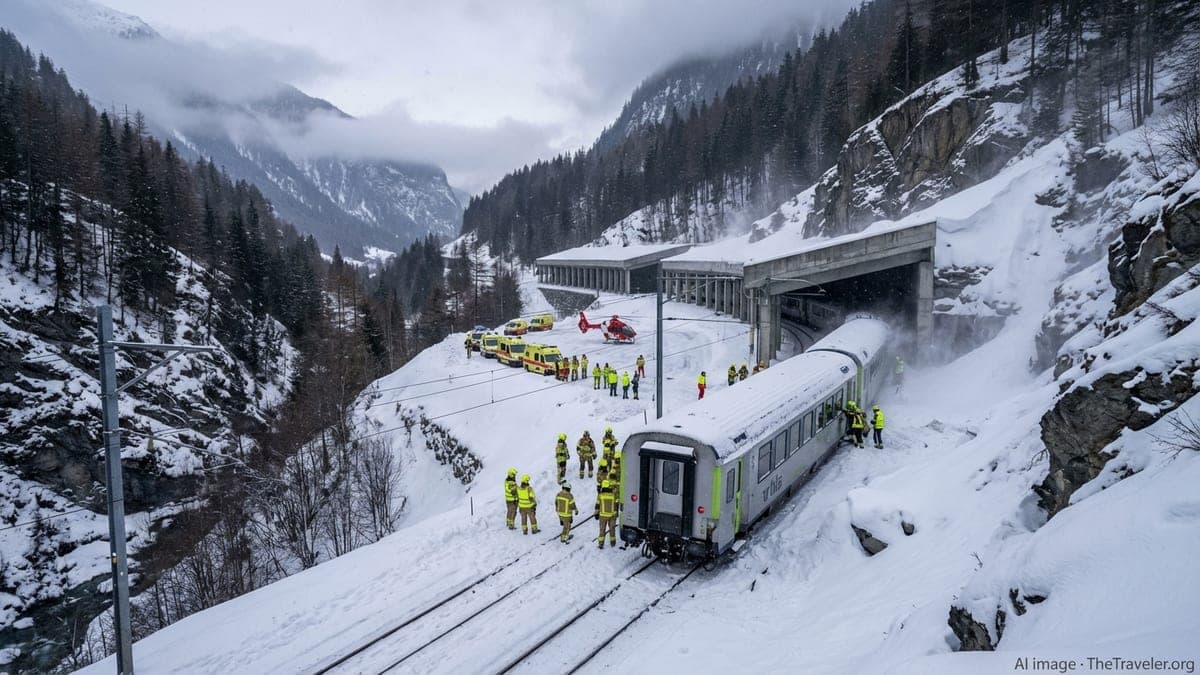
The immediate aftermath saw a significant emergency response, with rescue teams, medical personnel, and transportation authorities converging on the scene. Efforts were focused on evacuating passengers, providing medical assistance, and securing the area. The scale of the response highlights the seriousness with which Swiss authorities treat such incidents, reflecting their commitment to minimizing harm and restoring normalcy as quickly as possible.
Access to the site has been challenging due to the [Mention specific geographical challenges, e.g., mountainous terrain, remote location], hindering both rescue operations and the initial stages of the investigation. Specialized equipment and techniques are being employed to overcome these obstacles, underscoring the complexities involved in responding to accidents in such environments. This also highlights the importance of preparedness and the need for robust emergency response plans tailored to the specific challenges posed by the Swiss landscape.
Immediate Impact: Travel Disruptions and Delays
The derailment has caused significant disruptions to rail travel across the affected region. Train services have been suspended or diverted, leading to delays and cancellations for thousands of passengers. Key routes connecting major cities and tourist destinations have been impacted, causing frustration and inconvenience for travelers. Conversations in private Slack channels suggest that businesses are scrambling to find alternative transportation for employees and clients.
The ripple effects extend beyond immediate delays. Passengers are facing difficulties with connecting flights and onward journeys, leading to cascading disruptions throughout the travel network. The incident has also put a strain on alternative transportation options, such as buses and taxis, as demand surges and availability becomes limited. This highlights the interconnectedness of transportation systems and the vulnerability of travelers to unforeseen events.
Travelers are advised to check the latest updates from the Swiss Federal Railways (SBB) and other relevant authorities before embarking on their journeys. Alternative routes and transportation options should be considered, and passengers should anticipate potential delays and disruptions. Flexibility and patience are key during this period of uncertainty. Pro Tip: Consider travel insurance that covers delays and cancellations due to unforeseen events.
Public Reaction: Fear, Anxiety, and Scrutiny
The derailment has understandably sparked public concern about rail safety. News reports and social media are filled with discussions about the incident, with many expressing fear and anxiety about traveling by train. The incident has also triggered scrutiny of the Swiss rail system, with questions being raised about maintenance practices, safety protocols, and the overall resilience of the infrastructure. We're seeing early adopters in online forums discussing alternative travel methods, showing that some consumers are avoiding train travel all together.
The public's perception of safety is a crucial factor in maintaining confidence in the rail system. When incidents like this occur, it can erode trust and lead to a reluctance to travel by train. Authorities must address these concerns proactively by providing transparent information about the incident, the investigation, and the measures being taken to prevent future occurrences. This is critical for rebuilding trust and reassuring the public about the safety of rail travel.
The psychological impact of the derailment should not be underestimated. For those who were directly involved, the experience can be traumatic, leading to long-term anxiety and fear. Even for those who were not directly affected, the incident can trigger latent anxieties about travel and safety. Addressing these psychological needs is an important part of the recovery process. Pro Tip: Offering mental health support and counseling services to affected passengers can help mitigate the long-term psychological impact.
Economic Fallout: Tourism and Trade
Switzerland's economy relies heavily on tourism, and the rail system plays a vital role in transporting tourists to various destinations. The derailment threatens to disrupt tourism, as travelers may be deterred from visiting the affected region or from using rail transport altogether. This could lead to a decline in hotel bookings, restaurant patronage, and other tourism-related activities. Anecdotal evidence suggests that some tour operators are already considering alternative itineraries to avoid the affected area.
The impact extends beyond tourism to trade and commerce. The rail system is also used to transport goods and materials, and disruptions to these services can affect businesses and supply chains. Delays in the delivery of goods can lead to production bottlenecks, increased costs, and reputational damage. This highlights the importance of a reliable and efficient rail system for supporting economic activity.
The long-term economic consequences will depend on the speed of recovery and the effectiveness of measures taken to restore confidence in the rail system. A swift and transparent response can help minimize the damage and reassure businesses and tourists that Switzerland remains a safe and reliable destination. However, a prolonged period of uncertainty could have a more significant and lasting impact on the economy. Pro Tip: Swiss tourism boards should launch campaigns emphasizing train safety, once investigations conclude, to reassure travelers.
Long-Term Consequences: Infrastructure Investment and Policy Changes
The derailment is likely to prompt a review of Switzerland's rail infrastructure and safety policies. Authorities will be under pressure to identify any weaknesses in the system and to implement measures to prevent future incidents. This could lead to increased investment in infrastructure maintenance, upgrades to safety equipment, and revisions to operating procedures. This event may even lead to more conservative operations, resulting in longer travel times and a less efficient network.
The focus will likely be on improving track monitoring, enhancing signaling systems, and strengthening emergency response capabilities. New technologies, such as advanced sensors and data analytics, could be deployed to detect potential hazards and to provide early warnings of impending problems. These measures would aim to enhance the overall resilience of the rail system and to minimize the risk of future accidents.
Policy changes could also be implemented to address issues such as driver training, fatigue management, and safety oversight. These changes would aim to improve human performance and to reduce the risk of human error. The goal is to create a culture of safety that permeates every level of the rail system, from top management to frontline employees. Pro Tip: Implementing a more robust, regular inspection protocol on railway tracks in mountainous regions is critical.
The Friction: Skepticism and Alternative Transportation
While many are concerned about safety, a segment of the population remains skeptical, viewing the derailment as an isolated incident. This group may argue that the overall safety record of Swiss rail remains strong and that the incident should not be used to justify unnecessary regulations or restrictions. This perspective highlights the tension between the need for safety and the desire for convenience and efficiency.
Furthermore, the derailment could lead to increased demand for alternative transportation options, such as cars, buses, and airplanes. Some travelers may choose to avoid rail travel altogether, opting for modes of transportation that they perceive as being safer or more reliable. This shift in travel patterns could have implications for the environment, as cars and airplanes tend to be more carbon-intensive than trains.
The challenge for authorities is to address the concerns of both those who are fearful and those who are skeptical. A balanced approach is needed that prioritizes safety without unduly restricting travel or undermining the efficiency of the rail system. This requires clear communication, transparent decision-making, and a commitment to continuous improvement. Pro Tip: Promote multi-modal travel options and showcase the environmental benefits of trains to attract climate-conscious travelers.
Expert Opinions: Pro Tips for Travelers
Several travel experts have weighed in with advice for those planning trips to or through Switzerland in light of the derailment. Here are a few key
Deep Dives Similar to This
A comprehensive trend report on the emerging controversy surrounding United Airlines' headphone policy, including passenger experiences, social media reactions, and potential implications for travelers.
NYC travel ban insights: Economic impacts, psychological effects, and investment opportunities. Learn how to navigate the chaos & profit from the new normal.
Analysis of the Swiss train derailment & Alps avalanches, revealing travel safety concerns. Impact on creators, brands, investors. #TravelTrends #SafetyFirst