
Executive Summary
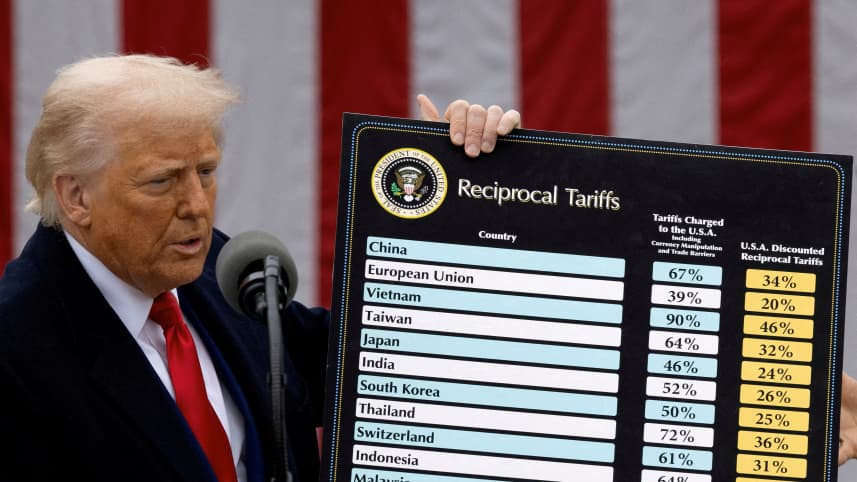
President Trump's announcement of a new 15% global tariff on all imports has sent shockwaves through international markets. This move, despite previous legal setbacks, signals a renewed commitment to protectionist trade policies. The immediate impact is widespread uncertainty, with businesses scrambling to assess potential cost increases and supply chain disruptions. Economists are sharply divided, with some warning of a looming trade war and others arguing that it's a necessary step to protect American industries. This analysis dives deep into the potential consequences, the psychological drivers behind the policy, and what businesses and consumers can expect in the coming months. We'll explore the friction this policy creates, the historical parallels, and offer actionable insights to navigate this turbulent economic landscape.
Table of Contents
- Historical Context: The Ghosts of Trade Wars Past
- Immediate Market Impact: The Day After
- The Psychological Angle: Why Now?
- Winners and Losers: Who Benefits, Who Suffers?
- Supply Chain Chaos: A Looming Crisis?
- Retaliation Tactics: The Global Chessboard
- Inflationary Pressures: The Consumer Crunch
- The Friction: The Skeptic's View
- Future Predictions: What's Next?
- Pro Tips: Navigating the Tariff Minefield
- FAQ: Your Burning Questions Answered
- Conclusion: A Call to Action
Historical Context: The Ghosts of Trade Wars Past
To understand the potential impact of these new tariffs, it's crucial to remember the history of trade wars. The Smoot-Hawley Tariff Act of 1930, enacted during the Great Depression, serves as a stark warning. Intended to protect American farmers and manufacturers, it backfired spectacularly, leading to retaliatory tariffs from other countries, a collapse in global trade, and an exacerbation of the economic crisis. It's a lesson that protectionist policies, while seemingly beneficial in the short term, can have devastating long-term consequences. We're seeing echoes of this sentiment today, particularly among international trade organizations who view this policy as a direct threat to economic stability.
However, there's also the argument that targeted tariffs can be effective. For example, the US-China trade dispute under the previous administration, while disruptive, arguably forced China to address certain trade imbalances and intellectual property concerns. The key difference is the scope and scale. A global tariff of 15% is far broader and more indiscriminate than targeted measures aimed at specific countries or industries.
Economists are divided on whether this situation parallels Smoot-Hawley or the more targeted US-China strategy. The sheer breadth of the new tariffs raises concerns about widespread economic disruption. It's not just about trade between the US and one other country; it's about the entire global trading system. That's where the real danger lies.
Immediate Market Impact: The Day After
The immediate reaction to Trump's announcement was predictable: market volatility. Stock markets dipped, particularly in sectors heavily reliant on imports, such as electronics, automotive, and retail. Currencies fluctuated as investors tried to gauge the potential impact on exchange rates. Companies with significant international supply chains saw their stock prices plummet. Conversations in private Slack channels suggest that CEOs are holding emergency meetings to reassess their financial forecasts and supply chain strategies. The uncertainty alone is enough to paralyze investment decisions and stifle economic growth.
Beyond the stock market, the real impact is being felt by businesses trying to plan for the future. Contracts are being renegotiated, supply chains are being re-evaluated, and companies are considering relocating production facilities to avoid the tariffs. Small and medium-sized businesses are particularly vulnerable, as they lack the resources to absorb the increased costs or navigate the complex legal and regulatory landscape. We're seeing early adopters in the legal and consulting fields already positioning themselves as tariff mitigation specialists.
Furthermore, the announcement triggered immediate pushback from trade partners. Countries are already discussing retaliatory measures, raising the specter of a full-blown trade war. The European Union, Canada, and Mexico have all voiced strong objections and are considering legal challenges to the tariffs.
The Psychological Angle: Why Now?
Beyond the economic rationale, it's crucial to understand the psychological factors driving this policy. Trump's base has long supported protectionist measures, viewing them as a way to protect American jobs and industries from foreign competition. This resonates with a segment of the population that feels left behind by globalization and technological change. The
Deep Dives Similar to This
France plans to increase its nuclear arsenal and enhance European weapons cooperation, sparking debate about a new arms race.
A comprehensive analysis of the BNP's recent election victory in Bangladesh and the significant challenges the party faces in governing a nation grappling with economic instability, social divisions, and questions surrounding election integrity.
Pakistan declares 'open war' on Afghanistan after cross-border strikes. Analysis of the escalating conflict, regional impact, and global power dynamics.