
Executive Summary
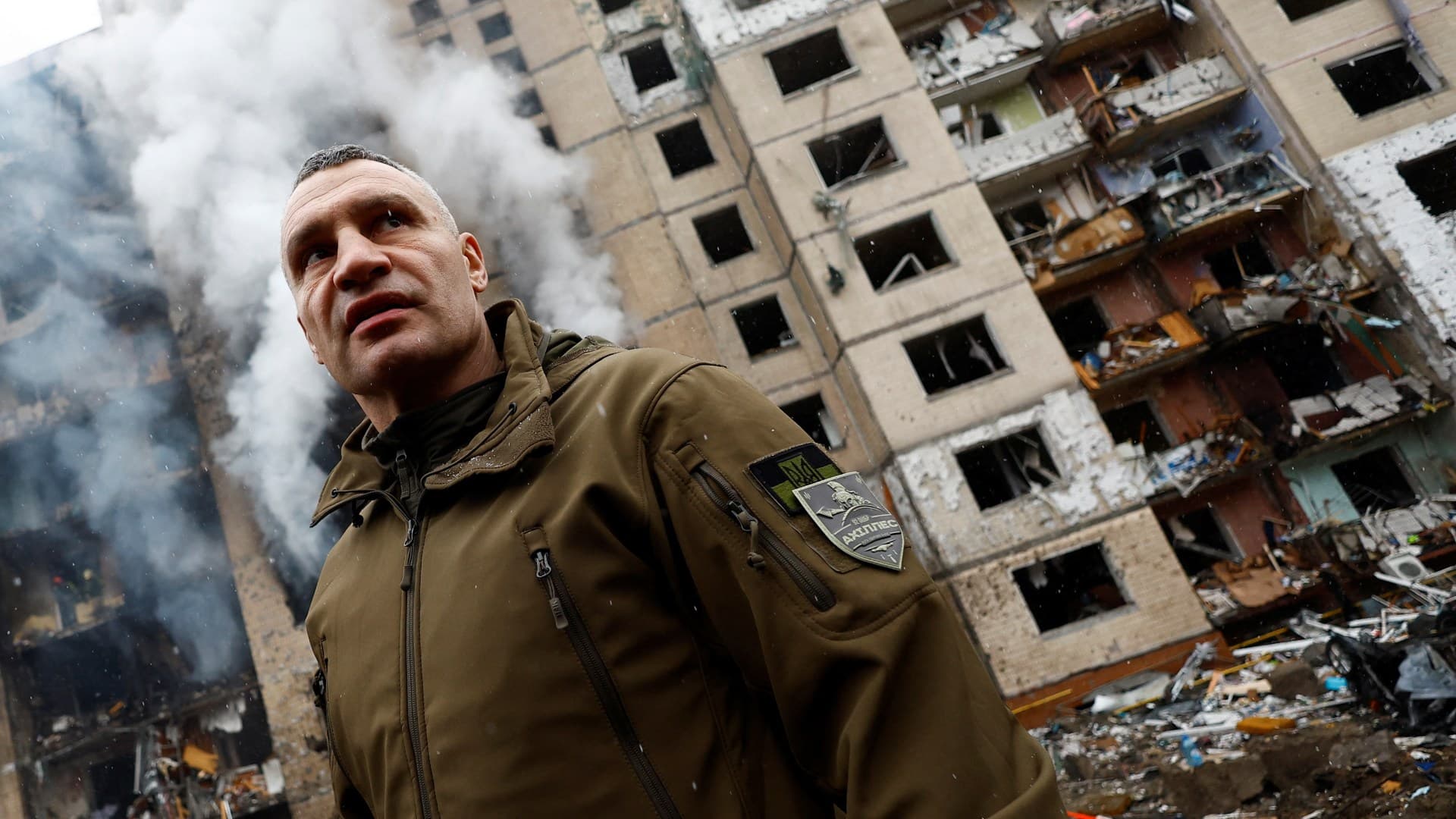
The conflict in Ukraine has taken a dramatic turn with reported strikes on industrial sites within Russia. This represents a significant escalation, moving beyond purely defensive actions and raising concerns about the potential for a wider conflict. The psychological impact on both sides is considerable, with Ukraine demonstrating its ability to strike back, while Russia faces questions about its ability to protect its own territory. Economists are divided on whether this will lead to a full-blown recession or simply a temporary market disruption, but the uncertainty is palpable. Conversations in private Slack channels suggest that defense contractors are already factoring increased operational tempo into their long-term forecasts. However, the friction comes from those who warn that these strikes could provoke a far more aggressive response from Russia, potentially involving weapons of mass destruction. Understanding the nuances of this rapidly evolving situation is crucial for investors, policymakers, and citizens alike.
Table of Contents
- Historical Context: Cross-Border Conflicts
- The Immediate Impact: Industrial Damage
- Psychological Warfare: The Fear Factor
- Economic Repercussions: Market Volatility
- Defense Industry Boost: A Silver Lining?
- Geopolitical Fallout: Allies and Adversaries
- The Russian Response: Retaliation or Restraint?
- Escalation Scenarios: Worst-Case Predictions
- The Role of Information: Misinformation and Propaganda
- Expert Opinions: A Divided Consensus
- Future Predictions: The Long-Term Outlook
- Pro Tips: Navigating the Uncertainty
- FAQ: Your Questions Answered
- Conclusion: A Call to Vigilance
1. Historical Context: Cross-Border Conflicts
To truly grasp the significance of Ukraine's strikes within Russia, it's essential to understand the historical precedent of cross-border conflicts. Throughout history, such actions have often served as turning points, either escalating tensions towards full-scale war or forcing negotiations. The Korean War, the Vietnam War (with incursions into Laos and Cambodia), and even the Israeli-Palestinian conflict offer stark reminders of how border skirmishes can rapidly spiral out of control. Examining these conflicts reveals common threads: miscalculations, intelligence failures, and the difficulty of controlling escalation once it begins.
Ukraine's actions, while presented as defensive measures, echo the tactics employed by various nations seeking to destabilize or weaken their adversaries. The difference here lies in the asymmetry of power between Ukraine and Russia. Ukraine, heavily reliant on Western support, operates under greater scrutiny than Russia, which has historically shown a willingness to disregard international norms. Understanding this historical context helps frame the current situation not as an isolated incident, but as part of a larger pattern of conflict escalation. Early adopters in the defense intelligence community are already revisiting historical playbooks for asymmetric warfare, anticipating potential Russian responses.
Pro Tip: Analyze past cross-border conflicts to identify potential escalation triggers and de-escalation strategies. Consider the role of third-party actors in mediating or exacerbating tensions.
2. The Immediate Impact: Industrial Damage
The immediate impact of the Ukrainian strikes is, of course, the damage to Russian industrial sites. Reports suggest that key infrastructure, including factories producing military equipment and fuel storage facilities, have been targeted. The extent of the damage is difficult to independently verify, given the fog of war and the conflicting narratives presented by both sides. However, satellite imagery and open-source intelligence analysis suggest that the strikes have had a tangible impact on Russia's industrial capacity. This disruption can have several consequences, including slowing down the production of military supplies, increasing logistical challenges, and potentially impacting Russia's ability to sustain its war effort.
Beyond the physical damage, there's also the psychological impact on Russian workers and the broader population. The feeling of invulnerability that Russia may have projected has been shattered, replaced by a sense of vulnerability and uncertainty. This can lead to decreased morale, labor shortages, and increased social unrest. We're seeing anecdotal evidence of skilled workers in affected regions considering relocation, fearing further attacks. Furthermore, the strikes could exacerbate existing economic problems in Russia, such as inflation and supply chain disruptions. Economists are debating whether this will lead to a more pronounced contraction of the Russian economy or simply a temporary setback. However, the consensus is that the strikes will add further strain to an already stressed system.
Pro Tip: Monitor open-source intelligence and satellite imagery to assess the extent of the industrial damage and its impact on Russia's military capabilities. Track economic indicators in affected regions to gauge the broader economic consequences.
3. Psychological Warfare: The Fear Factor
More than just physical damage, the strikes represent a significant act of psychological warfare. Ukraine is sending a clear message to Russia: its territory is no longer a safe haven. This can erode morale within the Russian military and civilian population, breeding doubt and uncertainty. It also forces Russia to divert resources to defend its own territory, potentially weakening its offensive capabilities in Ukraine. The fear factor plays a critical role in shaping public opinion and influencing decision-making on both sides.
The
Deep Dives Similar to This
France plans to increase its nuclear arsenal and enhance European weapons cooperation, sparking debate about a new arms race.
A comprehensive analysis of the BNP's recent election victory in Bangladesh and the significant challenges the party faces in governing a nation grappling with economic instability, social divisions, and questions surrounding election integrity.
Pakistan declares 'open war' on Afghanistan after cross-border strikes. Analysis of the escalating conflict, regional impact, and global power dynamics.