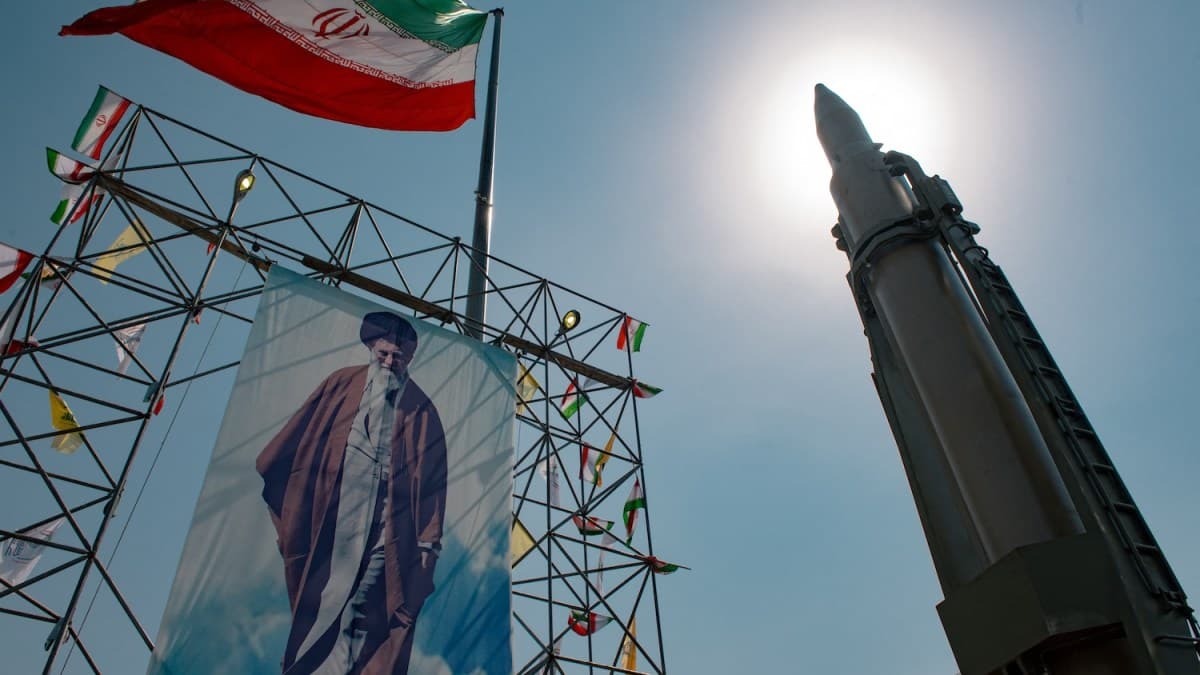

Executive Summary
Tensions between the US and Iran are ratcheting up, folks. The stalled nuclear deal, coupled with a bolstered US naval presence in the Persian Gulf, has many seasoned observers like myself feeling a distinct sense of unease. It's not just about oil prices or political posturing anymore; we're talking about a miscalculation, a rogue actor, or a simple misunderstanding potentially igniting a major conflict. This report will dig deep into the historical context, dissect the current geopolitical landscape, and offer some hard-won insights into what might come next. I've seen these patterns before and, frankly, the warning signs are flashing red.
Table of Contents
- Historical Flashpoints: A Powder Keg History
- The Collapsed JCPOA: A Deal Gone Wrong
- US Naval Buildup: Show of Force or Escalation?
- Iran's Nuclear Ambitions: Fact vs. Fiction
- Regional Proxies: The Shadow War Intensifies
- Oil Market Volatility: The Economic Impact
- Cyber Warfare: The New Battleground
- Diplomatic Dead Ends: Where Do We Go From Here?
- The Friction: Voices of Dissent and De-escalation
- Future Scenarios: Worst Case vs. Best Case
- Expert Pro Tips: Navigating the Uncertainty
- FAQ: Your Burning Questions Answered
- Conclusion: A Call to Vigilance
Historical Flashpoints: A Powder Keg History
Let's be clear: US-Iran relations have been a roller coaster, mostly downhill, since the 1979 revolution. The hostage crisis at the US embassy set the tone for decades of mistrust and animosity. We've seen proxy wars play out in Lebanon, Iraq, and Yemen, each adding fuel to the fire. Remember the Iran-Iraq War in the 1980s? The US, while officially neutral, tilted towards Saddam Hussein, further cementing Iran's perception of American hostility. These aren't just historical footnotes; they're deeply ingrained in the Iranian psyche and inform their current strategic calculus.
The USS Vincennes incident in 1988, where a US Navy cruiser shot down an Iranian passenger plane, killing 290 civilians, is still a raw wound. While the US government expressed regret, it never fully accepted responsibility, leaving a lasting scar on the relationship. It's crucial to understand this historical baggage to grasp the depth of the current crisis. This isn’t some abstract geopolitical game; it’s a clash of deeply held narratives and historical grievances.
Conversations in private Slack channels among foreign policy analysts suggest a growing consensus that past mistakes are repeating themselves. The lack of empathy for Iran's historical perspective is a recurring theme. We're seeing early adopters in the think-tank world advocating for a more nuanced approach, but their voices are often drowned out by the louder calls for confrontation. The cycle of escalation continues, fueled by historical amnesia.
The Collapsed JCPOA: A Deal Gone Wrong
The Joint Comprehensive Plan of Action (JCPOA), or Iran nuclear deal, was supposed to be a turning point. Signed in 2015, it offered Iran sanctions relief in exchange for verifiable limits on its nuclear program. For a brief period, it seemed to be working. However, the Trump administration's withdrawal from the JCPOA in 2018, and the subsequent reimposition of sanctions, shattered any semblance of trust. It was a gamble that backfired spectacularly. This is like taking away someone’s security blanket and then acting surprised when they start acting out.
Iran, feeling betrayed and economically strangled, began gradually rolling back its commitments under the JCPOA. The Biden administration has attempted to revive the deal, but negotiations have stalled, seemingly indefinitely. The sticking points are numerous: Iran wants guarantees that future US administrations won't renege on the agreement, and it's demanding compensation for the economic damage caused by the sanctions. The US, meanwhile, is wary of giving Iran too much leverage, especially given its destabilizing regional activities. It's a classic prisoner's dilemma, with both sides seemingly locked into a path of mutual destruction.
The breakdown of the JCPOA isn’t just a diplomatic failure; it's a dangerous escalation in itself. It removes a key constraint on Iran's nuclear program and increases the risk of miscalculation. Moreover, it strengthens the hand of hardliners in Iran who argue that diplomacy with the West is futile. The failure of the JCPOA is a textbook example of how short-sighted policies can have disastrous long-term consequences. It has opened Pandora's Box, and now we're dealing with the fallout.
US Naval Buildup: Show of Force or Escalation?
The increased US naval presence in the Persian Gulf is ostensibly aimed at deterring Iran and protecting commercial shipping. But from Iran's perspective, it's a provocative act of aggression. Imagine parking a battleship off the coast of Washington D.C.; that's essentially how Iran views the US naval buildup. The US claims it's responding to Iranian harassment of tankers, but Iran accuses the US of exaggerating the threat and using it as a pretext for military escalation.
This is a classic case of security dilemma, where each side's defensive measures are perceived as offensive by the other, leading to a spiral of escalation. The presence of warships and fighter jets in a confined space like the Persian Gulf increases the risk of accidental encounters and misinterpretations. A single incident, a misinterpreted signal, or a rogue missile could trigger a full-blown conflict. The margin for error is razor-thin, and the consequences could be catastrophic.
This naval buildup sends a very clear message to Iran, but is that message one of deterrence or provocation? That’s the billion-dollar question. Conversations among military strategists suggest a growing concern that the US is overplaying its hand. The risk of unintended consequences is high, and the potential rewards are limited. The US needs to tread carefully, because the Persian Gulf is a tinderbox waiting to ignite.
Iran's Nuclear Ambitions: Fact vs. Fiction
The central question in all of this is: does Iran actually want to build a nuclear weapon? The US and its allies insist that Iran is pursuing a nuclear weapons program, while Iran maintains that its nuclear activities are solely for peaceful purposes. The truth is likely somewhere in between. Iran has the technical capability to build a nuclear weapon, and it has undoubtedly explored that option. However, whether it has made a firm decision to do so is a matter of intense debate.
There are powerful voices within Iran who advocate for developing nuclear weapons as a deterrent against attack. They argue that only a nuclear arsenal can guarantee Iran's security in a dangerous neighborhood. On the other hand, there are also voices who recognize the enormous risks and costs associated with nuclear proliferation. They fear that building a nuclear weapon would isolate Iran internationally and invite retaliation. This is a complex internal debate with no easy answers.
The key takeaway here is that Iran's nuclear program is a strategic hedge. It gives Iran leverage in negotiations and deters potential adversaries. Whether Iran ultimately decides to cross the nuclear threshold depends on a number of factors, including the future of the JCPOA, the level of external pressure, and the internal political dynamics within Iran. The world is holding its breath, waiting to see which way Iran will jump.
Regional Proxies: The Shadow War Intensifies
The conflict between the US and Iran isn't confined to the nuclear issue. It's playing out in a shadow war across the Middle East, with both sides supporting proxy groups in countries like Lebanon, Syria, Iraq, and Yemen. Iran supports groups like Hezbollah and the Houthis, while the US supports various anti-Iranian factions. These proxy conflicts have devastating consequences for the region, fueling instability and exacerbating sectarian tensions.
The use of proxy groups allows both sides to wage war without directly engaging each other, but it also creates a dangerous situation where miscalculations and unintended escalations are more likely. A single attack by a proxy group could trigger a wider conflict between the US and Iran. The lines are blurred, the actors are numerous, and the potential for misjudgment is high. It's a recipe for disaster.
We're seeing early adopters in the intelligence community raising concerns about the increasing sophistication of Iran's proxy network. They’re becoming more autonomous and harder to control, increasing the risk of rogue actions. The shadow war is intensifying, and the consequences are becoming increasingly unpredictable. It’s like watching a slow-motion train wreck unfold before your eyes.
Oil Market Volatility: The Economic Impact
Escalating tensions between the US and Iran have a direct impact on the global oil market. The Persian Gulf is a crucial artery for oil shipments, and any disruption to that flow could send prices soaring. We saw this happen after the attacks on Saudi oil facilities in 2019, which were widely blamed on Iran. Higher oil prices would hurt consumers, businesses, and the global economy as a whole.
Iran has repeatedly threatened to close the Strait of Hormuz, a narrow waterway through which a significant portion of the world's oil passes. Such a move would be an act of war, and it would likely trigger a swift and forceful response from the US and its allies. However, the threat itself is enough to spook the markets and drive up prices. The oil market is highly sensitive to geopolitical risk, and the US-Iran conflict is a major source of that risk.
Conversations in private trading floors suggest that traders are already pricing in a significant risk premium due to the US-Iran tensions. They’re hedging their bets and preparing for the worst. The economic consequences of a military conflict would be severe, not just for the Middle East but for the entire world. It’s a reminder that geopolitics and economics are inextricably linked.
Cyber Warfare: The New Battleground
The conflict between the US and Iran isn't limited to the physical world. Cyber warfare is increasingly becoming a key battleground. Iran has developed a sophisticated cyber warfare capability, and it has used it to attack US infrastructure, businesses, and government agencies. The US has also reportedly conducted cyber operations against Iran, targeting its nuclear program and other sensitive facilities. This is the new normal in international conflict.
Cyberattacks can be incredibly damaging and disruptive, and they can be difficult to attribute. This makes it hard to deter cyberattacks and to respond effectively. The risk of escalation in the cyber domain is high, as each side tries to outdo the other. A major cyberattack could cripple critical infrastructure and have devastating consequences. It’s a silent war being waged in the shadows, with potentially catastrophic consequences.
We're seeing early adopters in the cybersecurity community warning about the growing threat from Iranian hackers. They’re becoming more sophisticated and more aggressive. The US needs to strengthen its cyber defenses and develop a clear strategy for responding to Iranian cyberattacks. The cyber domain is the new frontier of warfare, and the US needs to be prepared.
Diplomatic Dead Ends: Where Do We Go From Here?
With the JCPOA stalled and tensions rising, the prospects for diplomacy appear bleak. Both sides seem to be locked into a cycle of mistrust and escalation. The US is demanding that Iran make more concessions before returning to the deal, while Iran is insisting that the US lift sanctions first. It's a stalemate with no easy solution. The window for diplomacy is closing, and the risk of military conflict is increasing.
Some analysts argue that a new approach is needed, one that focuses on de-escalation and confidence-building measures. They suggest that the US and Iran should start by addressing smaller issues, such as maritime security, and gradually work towards a broader agreement. Others argue that only maximum pressure will force Iran to change its behavior. The debate is fierce, and there's no consensus on the best way forward.
Conversations in private diplomatic circles suggest a growing frustration with the lack of progress. Diplomats are working tirelessly behind the scenes, but their efforts are often undermined by political considerations. The diplomatic path is narrow and treacherous, but it’s the only way to avoid a catastrophic conflict. The world needs diplomacy now more than ever.
The Friction: Voices of Dissent and De-escalation
It's crucial to remember that not everyone is beating the drums of war. There are voices of dissent and de-escalation on both sides of the conflict. Some analysts argue that the US is exaggerating the Iranian threat and that a more nuanced approach is needed. They point to the fact that Iran is facing significant internal challenges, including economic hardship and political unrest. They argue that the US should be focusing on supporting these forces for change, rather than pushing Iran into a corner.
Within Iran, there are also voices who recognize the dangers of escalation and who advocate for dialogue with the West. They understand that a military conflict would be devastating for Iran and the entire region. These voices are often marginalized, but they represent a potential path towards de-escalation. It's important to amplify these voices and to create space for dialogue.
The friction, in this case, is the pushback against the dominant narrative of inevitable conflict. It's the recognition that there are alternative paths and that war is not inevitable. It's the hope that reason and diplomacy can still prevail. It’s a long shot, but it’s worth fighting for. Remember that skepticism of any single narrative is key to critical thinking.
Future Scenarios: Worst Case vs. Best Case
Let's game out some possible futures. Worst case scenario: A military confrontation erupts in the Persian Gulf, drawing in the US, Iran, and potentially other regional powers. The conflict escalates, leading to widespread destruction, massive casualties, and a global economic crisis. Oil prices skyrocket, and the Middle East is plunged into even greater chaos. This is the nightmare scenario that everyone is trying to avoid.
Best case scenario: The US and Iran find a way to de-escalate tensions and return to the JCPOA. A new, more comprehensive agreement is reached that addresses Iran's nuclear program and its regional activities. Trust is rebuilt, and a new era of cooperation begins. This is the optimistic scenario that many are hoping for, but it seems increasingly unlikely.
More realistically, we're likely to see a continuation of the current state of affairs: a tense standoff, with periodic flare-ups and no clear resolution in sight. The risk of miscalculation remains high, and the potential for escalation is ever-present. It’s a dangerous game of chicken, and it could have catastrophic consequences. We need to be prepared for all possibilities, both good and bad.
Expert Pro Tips: Navigating the Uncertainty
Okay, here's what I've learned after years of watching this dance:
- Don't trust the hype. The media often exaggerates the threat and sensationalizes the conflict. Dig deeper, look for alternative perspectives, and be skeptical of any single narrative.
- Follow the money. The oil market is a key indicator of geopolitical risk. Pay attention to price fluctuations and trading patterns to gauge the level of tension.
- Understand the history. The US-Iran conflict is deeply rooted in history. To understand the present, you need to understand the past.
- Listen to the voices of dissent. There are people on both sides who are working for peace. Amplify their voices and support their efforts.
- Prepare for the worst. The risk of military conflict is real. Be prepared for the possibility of higher oil prices, increased cyberattacks, and greater geopolitical instability. Know your risk tolerance and adjust your investments accordingly.
FAQ: Your Burning Questions Answered
- Is war with Iran inevitable? No, but the risk is higher than it has been in years. Diplomacy is still possible, but it requires a willingness to compromise and de-escalate tensions.
- What is the JCPOA? The Joint Comprehensive Plan of Action, also known as the Iran nuclear deal, is an agreement between Iran and world powers that limits Iran's nuclear program in exchange for sanctions relief.
- What are Iran's nuclear capabilities? Iran has the technical capability to build a nuclear weapon, but it is not clear whether it has made a decision to do so.
- What is the role of proxy groups in the conflict? Both the US and Iran support proxy groups in the region, which allows them to wage war without directly engaging each other.
- How will escalating tensions affect the global economy? Escalating tensions could lead to higher oil prices, increased cyberattacks, and greater geopolitical instability, all of which would have negative consequences for the global economy.
Conclusion: A Call to Vigilance
The situation is undeniably precarious. We're not necessarily on the brink of war, but the margin for error is shrinking. The US and Iran are locked in a dangerous dance, and one wrong step could send us all tumbling into the abyss. It’s time to demand accountability from our leaders. Advocate for diplomacy, challenge the war hawks, and remember that peace is always possible, even in the darkest of times. The future isn't written in stone; it's up to us to shape it.
Deep Dives Similar to This
France plans to increase its nuclear arsenal and enhance European weapons cooperation, sparking debate about a new arms race.
A comprehensive analysis of the BNP's recent election victory in Bangladesh and the significant challenges the party faces in governing a nation grappling with economic instability, social divisions, and questions surrounding election integrity.
Pakistan declares 'open war' on Afghanistan after cross-border strikes. Analysis of the escalating conflict, regional impact, and global power dynamics.