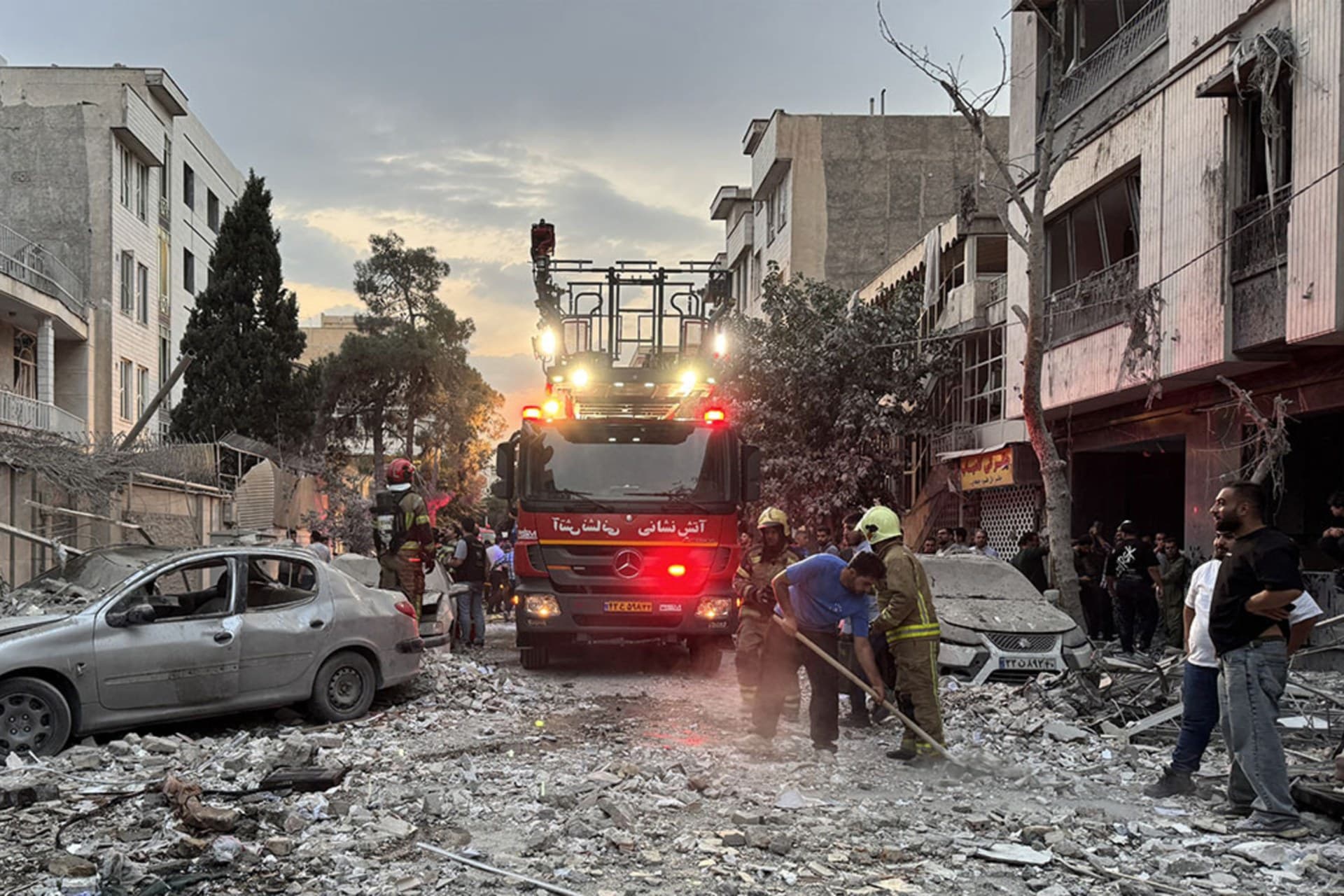

URGENT: The Middle East is on a knife's edge. Overnight, a series of coordinated strikes, reportedly carried out by the US and Israel, targeted key Iranian military and nuclear facilities. While details remain murky and official statements are carefully worded, the impact is undeniable: a dramatic escalation of tensions and a surge in global anxiety about a wider conflict.
What We Know (So Far):
- The Strikes: Initial reports point to strikes on multiple locations within Iran, including suspected nuclear research sites and military bases. The scale and precision of the attacks suggest a highly coordinated operation.
- Attribution: Neither the US nor Israel has officially claimed responsibility. However, anonymous sources within both governments have hinted at their involvement, citing Iran's ongoing nuclear program and support for regional proxy groups as justification.
- Iranian Response: Iran has vowed 'severe retaliation.' State media has reported counter-attacks targeting US military installations in Iraq and Syria, as well as alleged missile strikes towards Israel. The veracity and extent of these claims are currently being verified.
- Global Reaction: The international community is scrambling to de-escalate the situation. The UN Security Council has called an emergency session. Major powers like China and Russia have urged restraint from all parties. Oil prices have skyrocketed, and global stock markets are in turmoil.
Why This Matters (And Why You Should Care): This isn't just another headline from the Middle East. This is a potential tipping point. Here's why:
- Nuclear Proliferation: The strikes have reignited fears about Iran's nuclear ambitions. A military confrontation could push Iran to accelerate its nuclear program, triggering a regional arms race.
- Proxy Wars: Iran's network of proxy groups across the Middle East – including Hezbollah in Lebanon and Hamas in Gaza – could be activated, leading to widespread regional conflict.
- Global Economic Impact: A disruption of oil supplies from the Middle East could send shockwaves through the global economy, leading to inflation, recession, and widespread economic hardship.
- Humanitarian Crisis: A full-scale war would have devastating consequences for the people of the region, leading to mass displacement, casualties, and a humanitarian catastrophe.
What Happens Next? The next 24-48 hours are critical. All eyes are on Iran to see how it responds to the alleged attacks. De-escalation efforts are underway, but the risk of miscalculation and further escalation remains dangerously high.
Stay informed. This is a developing story, and we will continue to provide updates as they become available. Follow us for breaking news, expert analysis, and the latest developments from the Middle East.
Deep Dives Similar to This
Asia faces a severe energy crisis due to the war in Iran, leading to soaring prices, supply shortages, and potential blackouts. Nations are scrambling to secure alternative sources and mitigate the economic fallout.
Iranian military helicopter crashes into a market, killing four. Is it a tragic accident or a symptom of deeper issues within Iran's military and infrastructure?
Fireworks store explosion in China kills 8 ahead of Lunar New Year. TrendPulse analyzes safety concerns, cultural impact, and market shifts. (159 chars)