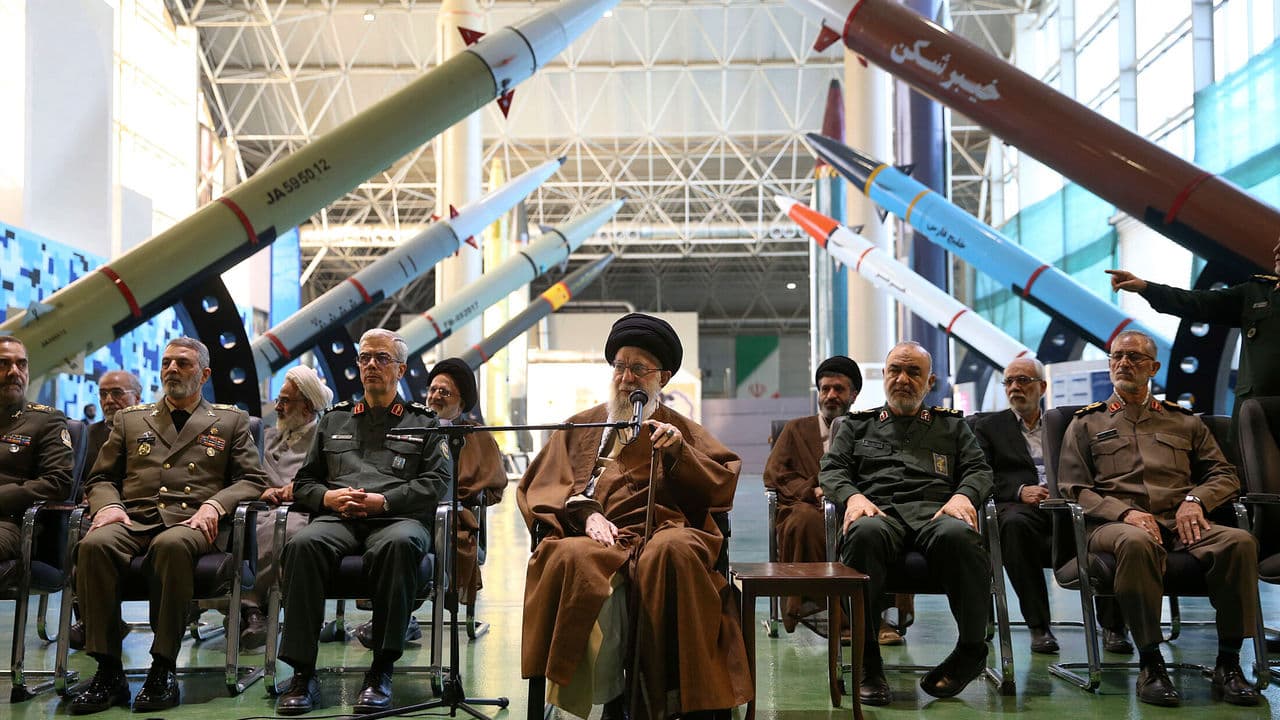

Escalation Alert: A Regional Powder Keg Ignites
The shadow war between the US, Israel, and Iran has exploded into open conflict, raising the specter of a full-blown regional, potentially global, war. Recent weeks have witnessed a dramatic increase in military actions, tit-for-tat attacks, and a rapidly rising death toll, leaving the international community scrambling to de-escalate the situation. But is de-escalation even possible at this point?
Key Developments:
- Direct Military Confrontations: After years of proxy warfare, direct engagements between US and Iranian forces (and their respective allies) are becoming increasingly common. Naval clashes in the Persian Gulf and airstrikes in Syria and Iraq have significantly intensified.
- Israeli Strikes: Israel has reportedly ramped up its covert operations and overt military actions targeting Iranian nuclear facilities and military assets within Iran and across the region. These strikes are met with condemnation and retaliatory threats from Tehran.
- Nuclear Concerns: The escalating conflict has reignited fears about Iran's nuclear program. With international monitoring potentially compromised, speculation is rife about Iran's progress towards nuclear weapons capability, further fueling regional tensions.
- Cyber Warfare: The digital battlefield is as active as the physical one. Cyberattacks targeting critical infrastructure in the US, Israel, and Iran have become commonplace, raising concerns about the potential for catastrophic damage.
- Humanitarian Crisis: The ongoing conflict is having a devastating impact on civilians. Displacement, food shortages, and lack of access to medical care are creating a humanitarian crisis in affected areas. Civilian casualties are mounting with no end in sight.
Global Implications:
- Oil Prices Surge: Instability in the Middle East is sending oil prices soaring, impacting the global economy and contributing to inflation.
- Geopolitical Realignment: The conflict is forcing nations to choose sides, potentially leading to a realignment of global power structures.
- Increased Terrorism Risk: The chaos and instability created by the war could provide fertile ground for terrorist groups to thrive, posing a threat to international security.
- Refugee Crisis: A wider conflict could trigger a massive refugee crisis, straining the resources of neighboring countries and Europe.
The Viral Take: Are We Witnessing the Start of World War III?
While the situation remains fluid and unpredictable, the current trajectory is deeply concerning. The risk of miscalculation and unintended escalation is high. The international community must act decisively to prevent a full-scale war that could have catastrophic consequences for the region and the world. This isn't just a regional conflict; it's a global emergency waiting to happen.
What You Can Do:
- Stay Informed: Follow credible news sources and avoid spreading misinformation.
- Support Humanitarian Organizations: Donate to organizations providing aid to those affected by the conflict.
- Contact Your Representatives: Urge your elected officials to prioritize de-escalation and diplomacy.
#IranWar #USEsrael #MiddleEastCrisis #WorldWarIII #GlobalConflict #NuclearThreat #HumanitarianCrisis #Trending #ViralNews #BreakingNews
Deep Dives Similar to This
A comprehensive overview of the current state of microservices architecture, including its benefits, challenges, and future trends, aimed at developers.
Discover the future of software architecture: Multi-Agent AI Orchestration. Learn how to design systems where AI agents act as parallel processors, collaborating to solve complex problems. Explore the essential skills, tools, and technologies to thrive in this new era.
A comprehensive report on Rust, its features, adoption trends, use cases, and its potential to become the new standard in performance and safety.