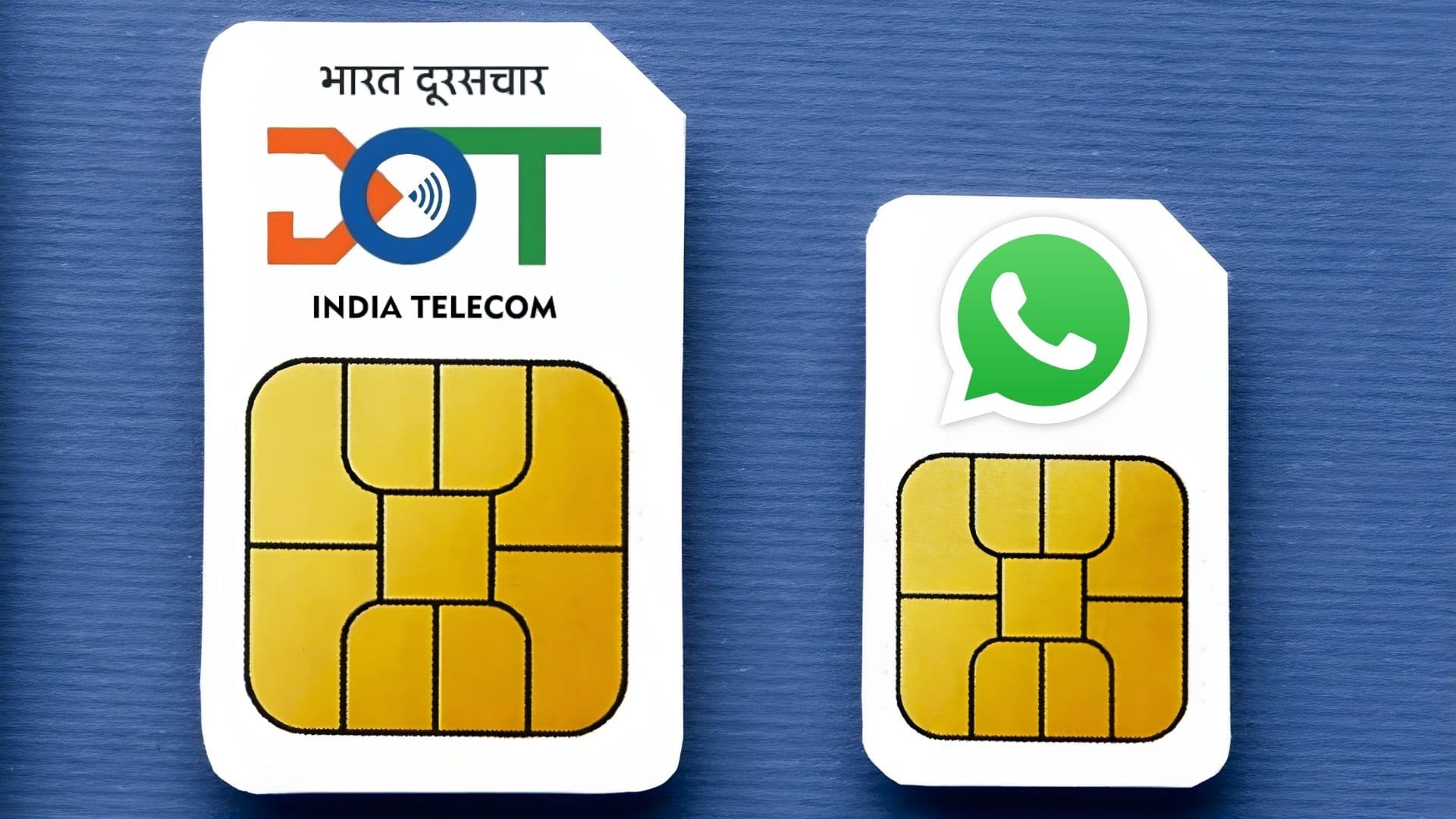

Get ready for a major shakeup in how you use WhatsApp in India! Starting March 1, 2026, a new government regulation will force WhatsApp to link your account to the physical SIM card in your primary phone. That's right, folks, the days of easily hopping between devices might be numbered.
What's Happening?
According to leaked reports (and increasingly reliable sources), WhatsApp will implement mandatory SIM binding for all Indian users. This means the SIM card registered in your phone needs to match the one linked to your WhatsApp account. Think of it as a digital fingerprint for your WhatsApp access.
Why the Change?
The Indian government claims this move is designed to combat the spread of misinformation, reduce spam, and enhance user accountability on the platform. The idea is that by tying accounts to physical SIM cards, it becomes easier to trace the source of malicious activity and hold individuals responsible.
The Potential Fallout: Brace Yourself!
- Multi-Device Mayhem: One of WhatsApp's coolest features – using the same account on multiple devices – could be severely hampered. Imagine the hassle of constantly verifying your SIM if you use WhatsApp Web, a tablet, and a secondary phone. Or worse, limitations on these devices.
- Privacy Concerns Explode: This is the big one. Many privacy advocates are raising serious concerns about government overreach and potential surveillance. Linking WhatsApp accounts to SIM cards creates a direct line between your online activity and your real-world identity.
- Impact on WhatsApp Web/Desktop Users: Frequent SIM verification could become a major annoyance for those who heavily rely on WhatsApp Web or the desktop app. Expect disruptions and potential workflow bottlenecks.
- VPN Usage Spike? Some users might turn to VPNs to circumvent the new restrictions, which could further complicate the situation and potentially violate WhatsApp's terms of service.
- SIM Cloning/Spoofing Risks: While SIM binding aims to enhance security, it also creates a potential target for malicious actors. SIM cloning or spoofing could become a more lucrative avenue for hackers.
The Big Questions:
- How will WhatsApp handle users with dual-SIM phones? Will they be forced to choose a primary SIM for WhatsApp?
- What security measures will be in place to prevent SIM cloning and spoofing?
- Will the government provide clear guidelines on how user data will be accessed and used?
- Will this affect WhatsApp Business accounts differently?
What You Can Do:
- Stay Informed: Follow tech news and updates on this issue closely.
- Voice Your Concerns: Contact your elected officials and express your opinion on this matter.
- Explore Alternatives: Consider using alternative messaging apps that prioritize privacy and security.
The Bottom Line:
WhatsApp's mandatory SIM binding in India is a game-changer with potentially far-reaching consequences. While the government aims to improve security and accountability, the move raises serious privacy concerns and could significantly impact the user experience. Only time will tell how this unfolds, but one thing is certain: the future of WhatsApp in India is about to get a whole lot more complicated.
Deep Dives Similar to This
Comprehensive trend report on the importance of AI literacy, drawing parallels to the adoption of computers in offices and providing actionable steps for acquiring this essential skill.
Zhipu AI launches GLM-5-Turbo, an AI model designed for OpenClaw, signaling a potential breakthrough in generative AI technology. Explore the implications for developers, businesses, and consumers.
A comprehensive report on the rumors surrounding Google's alleged 'Antigravity IDE,' a next-generation development environment promising to revolutionize software creation. Is it a quantum leap or just hot air?