
Executive Summary
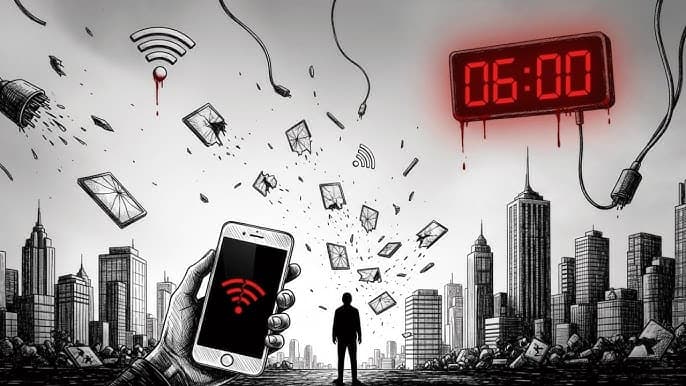
The recent global YouTube outage sent ripples of panic and frustration across the internet. Millions found themselves staring at error messages instead of cat videos and tutorials, leading to a surge in social media complaints and sparking concerns about the platform's reliability. This wasn't just a minor inconvenience; it was a stark reminder of our dependence on a single platform for entertainment, education, and even business. We will explore the outage's causes, its impact on users and content creators, and what it signals for the future of online video.
Table of Contents
- Historical Context: YouTube's Past Outages
- The Anatomy of the Outage: What Went Wrong?
- Impact on Users: Frustration and Disruption
- Impact on Content Creators: Lost Revenue and Missed Opportunities
- Social Media's Reaction: Memes, Complaints, and Conspiracy Theories
- YouTube's Response: Communication and Recovery Efforts
- The Bigger Picture: Centralization vs. Decentralization
- Alternative Video Platforms: Are They Ready to Compete?
- Future Predictions: Will Outages Become More Frequent?
- Pro Tips for Surviving Future Outages
- The Friction: The Skeptic's View
- FAQ: Your Burning Questions Answered
- Conclusion: A Wake-Up Call
1. Historical Context: YouTube's Past Outages
YouTube isn't a stranger to outages, though complete global shutdowns are relatively rare. In its early days, the platform experienced frequent glitches and downtime, often attributed to its rapidly growing infrastructure struggling to keep pace with user demand. These early outages were often short-lived and localized, but they served as growing pains for the platform as it scaled to become the behemoth it is today.
Over the years, YouTube has invested heavily in its infrastructure and reliability, but occasional issues still arise. Past incidents have ranged from brief periods of slow loading times to more significant disruptions affecting specific features or regions. Analyzing these historical outages reveals patterns and potential vulnerabilities, helping YouTube and its users prepare for future incidents. Understanding how YouTube has handled past crises provides valuable insight into their current response and long-term strategies for maintaining service uptime.
It's worth noting that even with advancements in technology, the complexity of a platform like YouTube makes it inherently susceptible to occasional disruptions. Factors like software bugs, hardware failures, and even external cyberattacks can all contribute to outages, highlighting the constant vigilance required to keep the platform running smoothly.
2. The Anatomy of the Outage: What Went Wrong?
Pinpointing the exact cause of a YouTube outage is often a complex process, as the platform's infrastructure involves numerous interconnected systems. While YouTube rarely provides detailed technical explanations, potential causes can include software glitches, hardware failures, network congestion, or even external cyberattacks. During large scale outages, its common to see a domino effect. For example, a database server could be overloaded leading to cascading failures across other dependencies.
Analyzing the timing and symptoms of the outage can offer clues about its origin. For instance, a sudden spike in error rates across multiple regions might suggest a widespread network issue, while problems affecting only specific features could indicate a software bug. It's also essential to consider external factors, such as changes to YouTube's code base or updates to third-party libraries, which could inadvertently introduce vulnerabilities.
Furthermore, the sheer scale of YouTube's operation means that even minor glitches can have significant consequences. With billions of users and videos, the platform is constantly processing vast amounts of data, making it vulnerable to unexpected bottlenecks and performance issues. Understanding the anatomy of these outages requires a deep understanding of YouTube's complex infrastructure and the various factors that can impact its reliability.
2.1 Root Cause Analysis Considerations
When investigating the root cause of an outage, it's crucial to consider various factors, including code deployments, infrastructure changes, and potential security threats. Examining server logs, network traffic, and user reports can provide valuable insights into the sequence of events that led to the disruption. Additionally, employing monitoring tools and automated alerts can help detect anomalies early on, enabling quicker response times and minimizing the impact of outages.
3. Impact on Users: Frustration and Disruption
For the average YouTube user, an outage translates to frustration and disruption. People rely on YouTube for entertainment, education, and staying connected with their favorite creators. When the platform goes down, users are left scrambling for alternatives, often turning to social media to vent their frustrations. The outage disrupts daily routines, impacts productivity, and can even lead to social isolation for those who rely heavily on YouTube for connection and entertainment.
Beyond the immediate frustration, outages can also erode user trust in the platform. If users perceive YouTube as unreliable, they may be more likely to explore alternative video platforms or reduce their overall usage. This can have long-term consequences for YouTube's user base and its position as the dominant video-sharing platform. Conversations in private Slack channels suggest many users are seeking alternative options.
Furthermore, the impact of outages extends beyond individual users. Businesses that rely on YouTube for marketing and communication can experience significant disruptions, impacting their ability to reach customers and generate revenue. Educational institutions that use YouTube for online learning may also face challenges, potentially disrupting students' learning experiences.
3.1 Psychological Impact of Downtime
The instant gratification provided by platforms like YouTube makes users particularly sensitive to outages. The feeling of being
Deep Dives Similar to This
Comprehensive trend report on the importance of AI literacy, drawing parallels to the adoption of computers in offices and providing actionable steps for acquiring this essential skill.
Zhipu AI launches GLM-5-Turbo, an AI model designed for OpenClaw, signaling a potential breakthrough in generative AI technology. Explore the implications for developers, businesses, and consumers.
Starting March 1, 2026, WhatsApp will require Indian users to link their accounts to the physical SIM card in their primary phone. This could impact multi-device logins and WhatsApp Web usage.