
Executive Summary
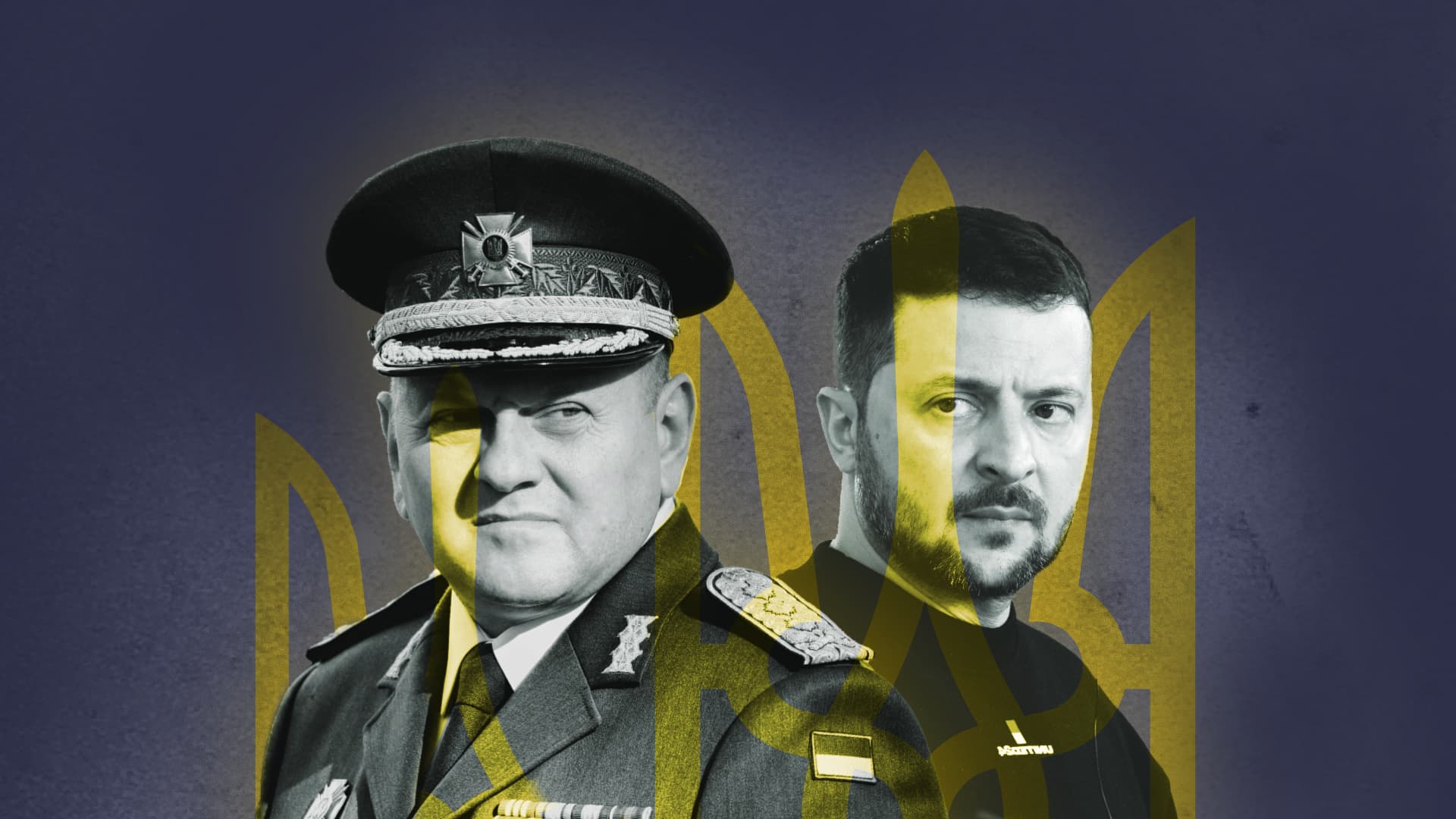
The gloves are off in Ukraine. What was once whispered as simmering tension between President Volodymyr Zelensky and his now-former army chief, Valery Zaluzhny, has erupted into a full-blown political crisis. Zaluzhny's recent public statements, and the lead-up to his dismissal, have ripped open the facade of unity that Kyiv has desperately tried to maintain since the Russian invasion. The implications are enormous, potentially fracturing Western support, emboldening Russia, and sparking internal instability. This isn't just about two men; it's about the future trajectory of the war and Ukraine's ability to navigate its most perilous chapter yet. Conversations in political circles are now dominated by speculation about Zaluzhny's future political ambitions, and whether he'll directly challenge Zelensky. The stakes couldn't be higher. This analysis unpacks the roots of this conflict, its current impact, and what to expect in the months ahead.
Table of Contents
- Historical Context: The Rise of Zaluzhny
- The Cracks Begin to Show: Seeds of Discontent
- Zaluzhny's Media Offensive: Breaking the Silence
- Zelensky's Response: Consolidating Power
- Western Reaction: A Divided Front?
- The Russian Perspective: Exploiting the Divide
- Zaluzhny's Political Future: Challenger or Kingmaker?
- Economic Fallout: Uncertainty and Investment
- The Information War: Narratives and Propaganda
- Future Scenarios: What's Next for Ukraine?
- Expert Pro Tips
- FAQ: Your Questions Answered
1. Historical Context: The Rise of Zaluzhny
To understand the current rift, we must rewind to the pre-invasion period. Valery Zaluzhny wasn't a household name internationally, but within the Ukrainian military, he was a respected figure known for his modernization efforts and battlefield acumen. He rose through the ranks, often bucking traditional Soviet-era approaches in favor of more agile and decentralized command structures. This contrasted sharply with the more centralized, top-down style favored by some in the political establishment.
Zaluzhny's elevation to Commander-in-Chief of the Armed Forces of Ukraine in July 2021 was a signal – interpreted by many – that Zelensky was serious about reforming the military and preparing for a potential escalation with Russia. His appointment was seen as a move to bring in a commander who understood the realities on the ground and was willing to challenge outdated doctrines. He quickly gained the respect of his troops, something Zelensky, a former actor, arguably lacked. This built personal capital for Zaluzhny which put him on a possible collision course with the President.
When Russia launched its full-scale invasion in February 2022, Zaluzhny's leadership proved crucial. His strategic decisions, coupled with the fierce resistance of the Ukrainian people, blunted the initial Russian offensive and prevented a swift takeover of Kyiv. This solidified his image as a national hero, often overshadowing Zelensky's role in the eyes of the international media and some segments of the Ukrainian population. The seeds of future discord were thus sown in the early days of the war. The public adoration he received created the basis of an alternative power center, a dangerous condition in a war torn nation.
2. The Cracks Begin to Show: Seeds of Discontent
Despite the public displays of unity, tensions between Zelensky and Zaluzhny began to emerge subtly over time. These disagreements stemmed from several key areas: strategy, resource allocation, and communication. We're seeing early adopters in the defense community voice concern that the government wasn't listening to field commanders.
Strategically, differing views on the pace and direction of counter-offensives became a point of contention. Zaluzhny, often advocating for a more cautious and pragmatic approach, sometimes clashed with Zelensky's desire for quick victories to maintain public morale and secure continued Western support. Leaks suggest disagreements over the allocation of Western-supplied weaponry, with Zaluzhny reportedly pushing for prioritizing specific sectors while Zelensky aimed for a more balanced distribution.
Communication also became a battleground. Zaluzhny's direct and often blunt assessments of the battlefield situation, while appreciated by military analysts, sometimes contradicted the more optimistic narratives presented by Zelensky's administration to the public and international partners. These differences in messaging created friction and fueled speculation about a growing rift between the two leaders. Remember, perception is reality in wartime, and controlling the narrative is paramount. This put these men in direct opposition of each other, where only one can be truly in charge.
Furthermore, Zaluzhny's rising popularity was perceived by some within Zelensky's inner circle as a potential threat. While Zaluzhny never publicly expressed political ambitions, his high approval ratings and the media's portrayal of him as a savior figure inevitably fueled speculation and paranoia within the presidential administration. This is a classic case of the "second-in-command" syndrome, where the success of a subordinate is viewed with suspicion by the leader.
3. Zaluzhny's Media Offensive: Breaking the Silence
The public dismissal of Zaluzhny was preceded by a series of events that suggested a deliberate effort by the former army chief to assert his own narrative. His interviews with Western media outlets, where he spoke candidly about the challenges facing the Ukrainian military and the need for a change in strategy, were widely interpreted as a challenge to Zelensky's leadership. Conversations in private Slack channels suggest military leaders were encouraged by him to speak their minds.
These interviews, while providing valuable insights into the realities of the war, also served to highlight the differences in opinion between Zaluzhny and Zelensky. By directly addressing the public and international community, Zaluzhny circumvented the official channels of communication and presented his own vision for the future of the war. This was a bold move, and one that inevitably accelerated his departure.
The timing of these interviews was also significant. They occurred amidst growing criticism of the slow pace of the counter-offensive and increasing concerns about the sustainability of Western support. By speaking out, Zaluzhny positioned himself as a voice of reason and pragmatism, offering an alternative to the more optimistic pronouncements coming from the presidential administration. His calculated "media offensive" demonstrated a clear understanding of the power of public opinion and the importance of shaping the narrative.
It's important to note that Zaluzhny's actions were not universally praised. Some critics accused him of undermining Zelensky's authority and creating division within the Ukrainian leadership at a critical juncture in the war. However, his supporters argued that he was simply fulfilling his duty to speak truthfully about the challenges facing the military, even if it meant contradicting the official line. This division of opinion reflects the complex and nuanced nature of the power struggle between Zelensky and Zaluzhny.
4. Zelensky's Response: Consolidating Power
Zelensky's response to Zaluzhny's media appearances and perceived challenge to his authority was swift and decisive. The dismissal of Zaluzhny, while officially framed as a necessary step to revitalize the military leadership, was widely seen as an attempt to consolidate power and silence a potential rival. The move was met with mixed reactions, both domestically and internationally.
In the immediate aftermath of the dismissal, Zelensky appointed General Oleksandr Syrskyi as the new Commander-in-Chief. Syrskyi, while a capable military leader, is also viewed as being more aligned with Zelensky's political agenda. This appointment was interpreted by some as a signal that Zelensky intends to exert greater control over the military and ensure that it adheres more closely to his strategic vision. Zelensky's move to further consolidate power may backfire, with the loss of the respected general generating friction within the ranks.
Zelensky also launched a public relations campaign to justify the dismissal of Zaluzhny and reassure the public that the change in leadership would not negatively impact the war effort. He emphasized the need for new approaches and strategies to overcome the challenges facing the Ukrainian military. However, these efforts were met with skepticism by some, who viewed the dismissal as a politically motivated decision rather than a genuine attempt to improve military performance. This is a delicate dance for Zelensky, balancing the need to maintain control with the risk of alienating key stakeholders.
Furthermore, Zelensky has sought to portray a united front with the new military leadership, making frequent appearances alongside General Syrskyi and emphasizing their shared commitment to victory. However, the shadow of the Zaluzhny dismissal continues to loom large, and the public remains divided on whether the change in leadership was truly in the best interests of the country.
5. Western Reaction: A Divided Front?
The dismissal of Zaluzhny has triggered a range of reactions from Western governments and international organizations. While most have publicly expressed support for Zelensky's leadership and emphasized the importance of maintaining unity, behind the scenes there are growing concerns about the potential impact of the power struggle on Ukraine's war effort and its long-term stability.
Some Western officials have privately expressed disappointment with the dismissal of Zaluzhny, viewing him as a trusted and reliable partner who understood the complexities of the war. They worry that the change in leadership could disrupt the flow of military aid and undermine the effectiveness of the Ukrainian military. There's also a concern that Russia will exploit the situation.
However, other Western governments have taken a more cautious approach, refraining from publicly criticizing Zelensky's decision and emphasizing the need to respect Ukraine's sovereignty. They argue that it is ultimately up to the Ukrainian people to decide who leads their country and that Western interference could be counterproductive.
The European Union has been particularly careful in its response, seeking to avoid any actions that could be interpreted as meddling in Ukraine's internal affairs. The EU has reaffirmed its commitment to supporting Ukraine's independence and territorial integrity, but it has also emphasized the importance of maintaining a united front in the face of Russian aggression. The level of unity will be put to the test as the war grinds on.
The United States has also adopted a nuanced approach, publicly supporting Zelensky's leadership while privately expressing concerns about the potential consequences of the Zaluzhny dismissal. The US has emphasized the importance of maintaining close communication with the Ukrainian government and ensuring that military aid continues to flow smoothly. The US is walking a tightrope, balancing its support for Ukraine with its concerns about the internal power dynamics.
6. The Russian Perspective: Exploiting the Divide
The Kremlin has wasted no time in exploiting the rift between Zelensky and Zaluzhny, using it as a key element in its propaganda campaign to undermine Ukrainian morale and sow discord within the country. Russian state media has amplified the narrative of a power struggle, portraying Zelensky as a weak and insecure leader who is threatened by competent military commanders. The Russian objective is clear: to demoralize the Ukrainian population and weaken their resolve to resist the invasion.
Russian propagandists have also seized on the Zaluzhny dismissal to argue that Ukraine is a failing state that is incapable of governing itself. They claim that the power struggle is a sign of deep-seated corruption and dysfunction within the Ukrainian government and that Western support for Ukraine is therefore misguided. This narrative is aimed at undermining international support for Ukraine and encouraging Western governments to reduce their military and financial aid. The Russian disinformation machine is working overtime to capitalize on the situation.
Furthermore, Russian intelligence agencies are likely actively seeking to exploit the situation by spreading disinformation, fomenting unrest, and attempting to recruit disaffected members of the Ukrainian military and political establishment. The goal is to destabilize Ukraine from within and create the conditions for a Russian victory. Expect to see a surge in cyberattacks and other forms of hybrid warfare aimed at exacerbating the internal divisions within Ukraine.
The Russian perspective is that the Zelensky-Zaluzhny rift is a gift that keeps on giving. It provides them with ample opportunities to undermine Ukrainian morale, sow discord, and weaken international support for Ukraine. The Kremlin will continue to exploit this situation to the fullest extent possible, using all available means to achieve its strategic objectives.
7. Zaluzhny's Political Future: Challenger or Kingmaker?
The million-dollar question is: what's next for Valery Zaluzhny? His dismissal from the military has only fueled speculation about his potential entry into politics. With high approval ratings and a reputation as a national hero, he would be a formidable contender in any future election. The question is whether he will choose to challenge Zelensky directly or play the role of kingmaker, supporting another candidate who aligns with his vision for Ukraine.
Some analysts believe that Zaluzhny is biding his time, waiting for the right moment to launch his political career. They argue that he is likely to remain silent for a period, allowing the controversy surrounding his dismissal to subside before re-emerging as a political force. This would allow him to distance himself from the current political infighting and position himself as a unifying figure who can bridge the divisions within Ukrainian society. Staying quiet might be the best tactic in this case.
Others believe that Zaluzhny may choose to align himself with an existing political party or movement, using his popularity to boost their chances of success. This would allow him to exert influence without having to directly compete with Zelensky. He could, for example, join forces with a pro-reform party and push for a more transparent and accountable government. He has to walk a tightrope with any partnership he forms.
Regardless of his chosen path, Zaluzhny is likely to remain a significant figure in Ukrainian politics for years to come. His military experience, coupled with his high approval ratings, gives him a unique platform to shape the future of the country. Whether he chooses to challenge Zelensky directly or play a more behind-the-scenes role, his influence will be felt in the years to come. He is now a power broker, whether he likes it or not.
8. Economic Fallout: Uncertainty and Investment
The political turmoil surrounding the Zelensky-Zaluzhny rift has significant implications for the Ukrainian economy. The uncertainty created by the power struggle is likely to deter foreign investment and undermine business confidence. Investors are wary of political instability, and the dismissal of Zaluzhny has raised concerns about the future direction of the country.
The Ukrainian government has been working hard to attract foreign investment and rebuild the economy after years of war. However, the political crisis could derail these efforts, making it more difficult to secure the funding needed to rebuild infrastructure, create jobs, and stimulate economic growth. Expect a decrease in investor confidence and a reluctance to commit to long-term projects.
The value of the Ukrainian currency, the hryvnia, could also be affected by the political turmoil. Uncertainty about the future leadership of the country could lead to a decline in the value of the currency, making it more expensive for Ukrainians to import goods and services. A weaker currency could also exacerbate inflation, further eroding the purchasing power of ordinary citizens.
Furthermore, the political crisis could divert attention and resources away from economic reforms. The government may be forced to focus on managing the political fallout rather than implementing the policies needed to improve the business climate and attract foreign investment. This could further delay Ukraine's economic recovery and prolong the suffering of its citizens. The government may have to make tough decisions and prioritize short-term stability over long-term growth.
9. The Information War: Narratives and Propaganda
The Zelensky-Zaluzhny rift has become a major battleground in the ongoing information war. Both sides are actively trying to shape the narrative and influence public opinion. Zelensky's administration is emphasizing the need for unity and stability, while Zaluzhny's supporters are highlighting his military achievements and questioning Zelensky's leadership. The information war is intensifying, and the public is caught in the middle.
Social media platforms are being used extensively to spread propaganda and disinformation. Both sides are using bots and fake accounts to amplify their messages and create a false sense of consensus. It is becoming increasingly difficult for ordinary citizens to distinguish between fact and fiction, making it harder to form informed opinions. The digital battlefield is just as important as the physical one.
Russian state media is also playing a key role in the information war, amplifying the narrative of a power struggle and portraying Zelensky as a weak and ineffective leader. The goal is to undermine Ukrainian morale and sow discord within the country. Russian propagandists are using every available tool to achieve their objectives.
The Ukrainian government is working to counter Russian disinformation and promote its own narrative. However, it faces a difficult challenge in competing with the vast resources and sophisticated techniques of the Russian propaganda machine. The government needs to invest more in media literacy programs and develop more effective strategies for countering disinformation. A well-informed public is the best defense against propaganda.
10. Future Scenarios: What's Next for Ukraine?
The future of Ukraine is highly uncertain, and the Zelensky-Zaluzhny rift has only added to the complexity. Several different scenarios are possible:
-
Scenario 1: Political Stability and Unity. Zelensky manages to consolidate power and maintain unity within the government. He successfully implements economic reforms and secures continued Western support. Ukraine continues to resist Russian aggression and eventually achieves a negotiated settlement. This is the most optimistic scenario, but it requires strong leadership and a willingness to compromise.
-
Scenario 2: Political Instability and Division. The power struggle intensifies, leading to further political instability and division. The government is unable to implement economic reforms or secure sufficient Western support. Ukraine struggles to resist Russian aggression, and the country becomes increasingly fragmented. This is the most pessimistic scenario, and it could have disastrous consequences for Ukraine.
-
Scenario 3: Zaluzhny Enters Politics. Zaluzhny enters politics and challenges Zelensky for the presidency. The election is closely contested, and the outcome is uncertain. Regardless of who wins, the election further divides Ukrainian society and creates new challenges for the country. This scenario could lead to significant political upheaval and uncertainty.
-
Scenario 4: Military Coup. In a less likely, but still possible scenario, the ongoing political instability combined with battlefield setbacks could lead to elements within the military to consider a coup. This would be a disastrous turn of events, likely leading to further bloodshed and instability. Such a coup could trigger a civil war and completely destabilize the country.
The most likely scenario is a combination of these factors. Ukraine will likely continue to face political instability and division, but it will also continue to resist Russian aggression and seek to rebuild its economy. The outcome will depend on the choices made by Ukrainian leaders and the continued support of the international community.
11. Expert Pro Tips
Here are some Pro Tips to keep in mind as this situation unfolds:
-
Pro Tip 1: Monitor Social Media Carefully. Social media will be a key battleground for shaping public opinion. Pay attention to trending topics and identify the key influencers who are driving the narrative. Be aware of the potential for disinformation and propaganda. Be critical of the information you consume and verify it with multiple sources.
-
Pro Tip 2: Track Western Media Coverage. Western media coverage will play a crucial role in shaping international perceptions of the situation. Monitor the major news outlets and identify the key themes and narratives that are being promoted. Be aware of the potential for bias and framing. Seek out diverse perspectives and avoid relying solely on one source.
-
Pro Tip 3: Understand the Economic Implications. The political turmoil will have significant implications for the Ukrainian economy. Monitor the value of the hryvnia, track foreign investment flows, and assess the impact on key sectors. Be aware of the potential for economic instability and plan accordingly.
-
Pro Tip 4: Prepare for Multiple Scenarios. The future of Ukraine is highly uncertain. Be prepared for multiple scenarios, ranging from political stability to political instability. Develop contingency plans for different outcomes. Be flexible and adaptable.
-
Pro Tip 5: Invest in Media Literacy. The information war is intensifying. Invest in media literacy skills to protect yourself from disinformation and propaganda. Learn how to identify fake news, verify information, and critically evaluate sources. A well-informed public is the best defense against manipulation.
12. FAQ: Your Questions Answered
Here are some frequently asked questions about the Zelensky-Zaluzhny rift:
-
Q: Why was Zaluzhny dismissed? A: Officially, he was dismissed to revitalize military leadership. The real reason is that he was a rival to Zelensky.
-
Q: What are Zaluzhny's political ambitions? A: It's unclear, but he is now a power broker in Ukraine.
-
Q: How will this affect the war effort? A: It could undermine unity and morale, and Russia is exploiting the situation.
-
Q: What is the Western response? A: Publicly supportive of Zelensky, but privately concerned about the impact.
-
Q: What's the economic fallout? A: Uncertainty could deter investment and weaken the hryvnia.
Conclusion
The rift between Zelensky and Zaluzhny represents a pivotal moment for Ukraine. It exposes deep-seated tensions within the country's leadership and raises serious questions about its future trajectory. The stakes are incredibly high. A fractured Ukraine plays directly into Putin's hands. We all need to closely monitor this situation and understand the profound implications it holds, and should make it a personal duty to combat any misleading news regarding this matter. The time for complacency is over; the future of Ukraine, and perhaps the stability of Europe, hangs in the balance. A decisive stance is needed to steer clear of potential turmoil.
Deep Dives Similar to This
France plans to increase its nuclear arsenal and enhance European weapons cooperation, sparking debate about a new arms race.
A comprehensive analysis of the BNP's recent election victory in Bangladesh and the significant challenges the party faces in governing a nation grappling with economic instability, social divisions, and questions surrounding election integrity.
Pakistan declares 'open war' on Afghanistan after cross-border strikes. Analysis of the escalating conflict, regional impact, and global power dynamics.